Advanced Polymer Processing Optimization: Integrating AI, Statistical Methods, and Physics-Informed Approaches for Enhanced Product Development
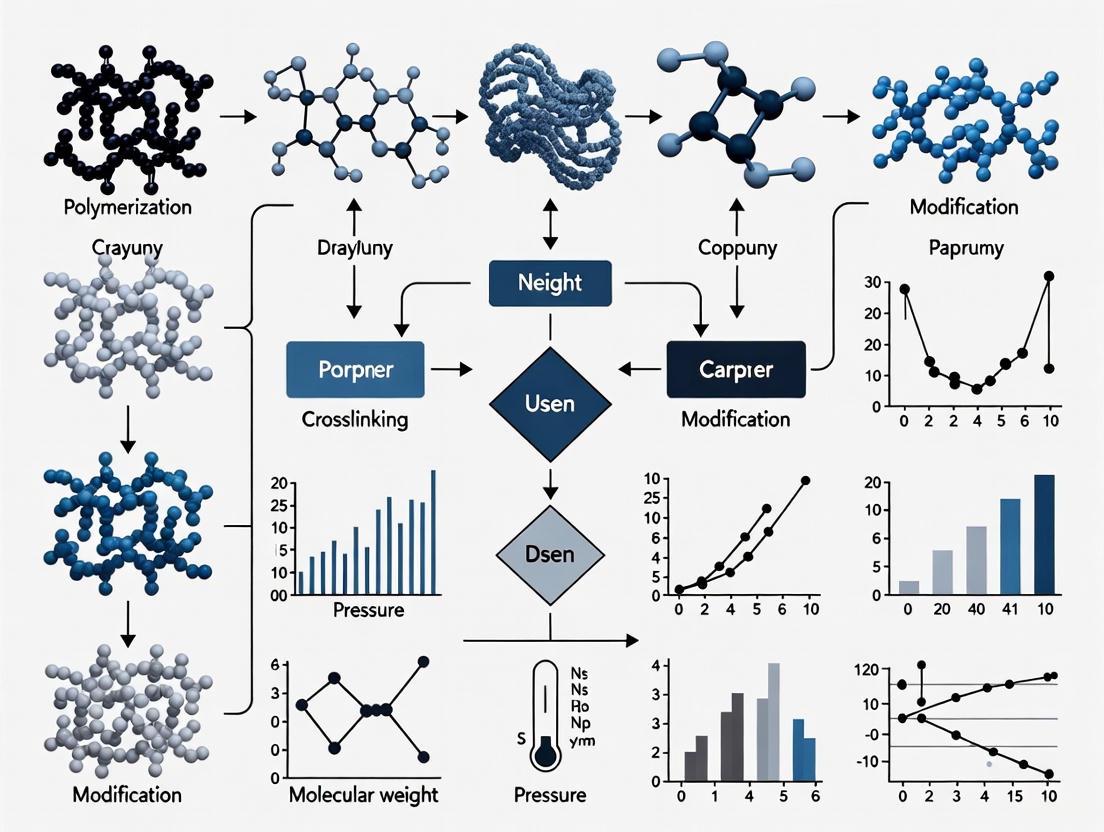
This article provides a comprehensive overview of modern optimization techniques in polymer processing, tailored for researchers and professionals in drug development and biomedical fields.
Advanced Polymer Processing Optimization: Integrating AI, Statistical Methods, and Physics-Informed Approaches for Enhanced Product Development
Abstract
This article provides a comprehensive overview of modern optimization techniques in polymer processing, tailored for researchers and professionals in drug development and biomedical fields. It explores the foundational principles of optimization, details advanced methodologies from evolutionary algorithms to data-driven models, and presents systematic troubleshooting frameworks. By comparing the efficacy of various validation techniques and optimization approaches, this review serves as a strategic guide for selecting and implementing the most suitable methods to achieve superior product quality, process efficiency, and sustainability in polymer-based product development.
The Critical Role of Optimization in Modern Polymer Processing: Principles and Drivers
Polymer processing optimization has evolved from a reliance on tacit operator knowledge and inefficient trial-and-error methods to a systematic, data-driven engineering discipline. In today's manufacturing landscape, characterized by volatile feedstock costs, fluctuating energy prices, and tightening quality specifications, systematic optimization is no longer a luxury but a necessity for maintaining competitiveness [1]. Traditional process control technologies often fall short in delivering the performance enhancements needed to address these mounting pressures.
The fundamental goal of polymer processing optimization is to determine the optimal set of process parameters—including operating conditions and equipment geometry—that yield the best possible product quality and process efficiency while minimizing resource consumption [2] [3]. This transformation from empirical methods to systematic design represents a paradigm shift that leverages computational modeling, advanced optimization algorithms, and artificial intelligence to unlock new levels of operational excellence.
The Economic and Technical Imperative for Optimization
The business case for implementing systematic optimization methodologies in polymer processing is compelling. Non-prime or off-spec production represents one of the most significant hidden costs in polymer manufacturing, accounting for 5-15% of total output in specialty polymers and complex polymerization processes [1]. This off-spec material not only represents inefficient use of raw materials but also leads to increased reprocessing costs, scrap expenses, and missed delivery deadlines.
Energy consumption remains another major component of operating expenses in polymer plants, with traditional approaches often struggling to reduce energy usage without sacrificing throughput or quality [1]. Systematic optimization challenges this historical trade-off by identifying hidden capacity within existing equipment, enabling simultaneous throughput gains and energy savings.
Table 1: Quantitative Benefits of Systematic Optimization in Polymer Processing
| Performance Metric | Traditional Approach | With Systematic Optimization | Key Enabling Technologies |
|---|---|---|---|
| Off-spec Production | 5-15% of total output [1] | >2% reduction [1] | Closed-loop AI optimization, Machine learning |
| Energy Consumption | High and inflexible | 10-20% reduction in natural gas consumption [1] | Real-time setpoint adjustment, Multi-objective optimization |
| Throughput | Limited by conservative operation | 1-3% increase [1] | AI-driven capacity unlocking, Reduced process variability |
| Development Time for New Materials | Months of experimental work | Significant reduction through computational prediction [4] | Convolutional Neural Networks, QSPR models |
Foundational Methodologies and Algorithms
The mathematical foundation of polymer processing optimization involves formulating real-world problems as Multi-Objective Optimization Problems (MOOPs), where multiple, often conflicting objectives must be satisfied simultaneously [2]. Common objectives include minimizing energy consumption, cycle time, and residual stress while maximizing throughput, product quality, and degree of cure.
Optimization Algorithm Selection
Different optimization algorithms offer varying capabilities for addressing polymer processing challenges. The selection of an appropriate algorithm depends on the problem characteristics, including whether it involves single or multiple objectives, the nature of the objective space, and the need to find global optima.
Table 2: Optimization Algorithms for Polymer Processing Applications
| Algorithm | Single Objective | Global Optimum | Discontinuous Objective Space | Multi-Objective | Flexibility | Typical Polymer Applications |
|---|---|---|---|---|---|---|
| Gradient Methods | +++ | - | - | --- | --- | Die design, mold flow balancing |
| Simulated Annealing | +++ | + | + | ++ | + | Cure cycle optimization |
| Particle Swarm Optimization | +++ | + | + | +++ | + | Injection molding parameters |
| Artificial Bee Colony | +++ | + | + | +++ | + | Extruder screw design |
| Evolutionary Algorithms | +++ | +++ | +++ | +++ | +++ | Multi-objective process optimization |
| Bayesian Optimization | +++ | +++ | + | +++ | ++ | Computationally expensive simulations [5] |
Key: +++ (Excellent), ++ (Good), + (Fair), - (Poor), --- (Very Poor) [2]
Multi-Objective Bayesian Optimization for Cure Cycle Design
Bayesian optimization has emerged as a particularly powerful approach for optimizing polymer composite manufacturing processes, which typically involve computationally expensive simulations. Multi-Objective Bayesian Optimization (MOBO) utilizes probabilistic surrogate models, typically Gaussian Processes (GP), to guide the optimization process while providing uncertainty estimates in unexplored regions of the design space [5].
This approach is especially valuable for optimizing cure cycles for thermoset composites, where the exothermic nature of the curing reaction can lead to thermal gradients, uneven degree of cure, and residual stresses if not properly controlled [5]. Unlike traditional methods that require thousands of finite element analysis (FEA) simulations, MOBO can achieve convergence with significantly fewer evaluations by intelligently selecting the most promising points to evaluate based on an acquisition function.
Experimental Protocols and Application Notes
Protocol 1: Computational Screening of Functional Monomers for Molecularly Imprinted Polymers (MIPs)
Purpose: To rationally design molecularly imprinted polymers (MIPs) through computational screening of functional monomers, reducing reliance on trial-and-error experimentation [6].
Background: Molecularly imprinted polymers are synthetic materials with specific recognition sites for target molecules. Traditional development involves extensive laboratory experimentation to identify optimal monomer-template combinations.
Materials and Equipment:
- Template molecule (e.g., sulfadimethoxine for veterinary drug detection)
- Candidate functional monomers (e.g., acrylic acid, methacrylic acid, 4-vinylbenzoic acid)
- Computational chemistry software (e.g., Gaussian for quantum chemical calculations)
- Molecular dynamics simulation environment
- Linux-based high-performance computing cluster
Procedure:
- System Preparation:
- Obtain the chemical structure of the template molecule in standard format (SMILES, MOL2, or PDB).
- Generate 3D coordinates and optimize geometry using molecular mechanics force fields.
Quantum Chemical (QC) Calculations:
- Perform conformational analysis of the template and monomer molecules.
- Optimize all structures at the B3LYP/6-31G(d) level of theory.
- Calculate electrostatic potential surfaces and natural bond orbital (NBO) charges.
- Evaluate template-monomer complexes in vacuum and implicit solvent models.
- Compute binding energies (ΔEbind) for 1:1 template-monomer complexes.
Molecular Dynamics (MD) Simulations:
- Construct pre-polymerization mixtures containing template, functional monomer, cross-linker (e.g., EGDMA), and solvent (e.g., acetonitrile) in explicit solvent models.
- Run MD simulations for 10-50 ns using appropriate force fields (e.g., GAFF, CGenFF).
- Analyze hydrogen bond occupancy, radial distribution functions, and binding modes.
- Calculate quantitative parameters: Effective Binding Number (EBN) and Maximum Hydrogen Bond Number (HBNMax).
Experimental Validation:
- Synthesize top-ranked MIP candidates using surface-initiated supplemental activator and reducing agent atom transfer radical polymerization (SI-SARA ATRP).
- Perform binding experiments to validate computational predictions.
Data Analysis:
- Higher EBN and HBNMax values indicate more effective binding efficiency.
- Optimal template-to-monomer ratios are typically identified at 1:3 based on EBN and collision probability analysis [6].
- Carboxylic acid monomers generally exhibit higher bonding energies with template molecules than carboxylic ester monomers [6].
Protocol 2: Closed-Loop AI Optimization for Polymerization Processes
Purpose: To implement real-time, closed-loop artificial intelligence optimization for polymerization processes to reduce off-spec production and energy consumption [1].
Background: Traditional control strategies based on first-principles models often fail to capture complex nonlinear relationships and disturbances in polymerization processes, leading to suboptimal performance and quality variations.
Materials and Equipment:
- Polymerization reactor with instrumented sensors (temperature, pressure, flow rates)
- Process historian or data acquisition system
- Laboratory information management system (LIMS) for quality data
- Closed-loop AI optimization software (e.g., Imubit AIO platform)
- Secure network infrastructure for data transfer
Procedure:
- Data Collection and Preparation:
- Extract 12-24 months of historical process data, including:
- Time-series sensor data (temperature, pressure, flow rates)
- Laboratory-measured product quality results
- Operator interventions and setpoint changes
- Feedstock quality information
- Clean data by removing periods of maintenance, startup, and shutdown.
- Align process data with quality data using appropriate time offsets.
- Extract 12-24 months of historical process data, including:
Model Development and Training:
- Identify key process variables and quality parameters for optimization.
- Train machine learning models to predict product quality based on process conditions.
- Validate model performance using hold-out datasets and cross-validation.
- Establish operating constraints and safety limits for closed-loop operation.
Closed-Loop Implementation:
- Deploy AI models in real-time optimization mode.
- Implement setpoint adjustments initially in open-loop (recommendation) mode.
- Establish operator trust through explainable AI and transparency in recommendations.
- Transition to closed-loop operation with appropriate safety interlocks.
- Continuously monitor model performance and retrain as process characteristics change.
Performance Monitoring:
- Track key performance indicators (KPIs): off-spec rate, energy consumption, throughput.
- Compare pre- and post-implementation performance using statistical process control.
- Conduct regular reviews with operations team to identify improvement opportunities.
Data Analysis:
- Typical results include 1-3% throughput increase, 10-20% reduction in natural gas consumption, and over 2% reduction in off-spec production [1].
- Reactor temperature optimization can lead to seven-figure annual savings in catalyst-intensive processes through optimized catalyst use [1].
Protocol 3: Bayesian Optimization of Composite Cure Cycles
Purpose: To optimize thermal cure cycles for fiber-reinforced thermoset polymer composites using Multi-Objective Bayesian Optimization (MOBO) to minimize process time and residual stresses while ensuring complete cure [5].
Background: Manufacturer-recommended cure cycles are often conservative and do not account for specific part geometry or reinforcement materials, leading to unnecessarily long cycle times or suboptimal part quality.
Materials and Equipment:
- Thermoset composite material (pre-preg or resin-infiltrated reinforcement)
- Cure kinetics model for the resin system
- Multiscale finite element analysis software
- Bayesian optimization framework (e.g., GPyOpt, BoTorch, or custom MATLAB/Python code)
- Thermal analysis equipment (DSC, TMA) for model validation
Procedure:
- Characterize Cure Kinetics:
- Perform differential scanning calorimetry (DSC) experiments to determine kinetic parameters.
- Fit kinetic model (e.g., autocatalytic model) to experimental data.
- Characterize glass transition temperature (Tg) evolution with degree of cure.
Develop Multiscale Process Model:
- Create representative volume element (RVE) models to capture micro-scale material behavior.
- Develop macro-scale finite element model of the composite part.
- Couple heat transfer, cure kinetics, and stress development in the model.
- Validate model predictions against experimental measurements.
Define Optimization Problem:
- Design Variables: Cure cycle parameters (hold temperatures, times, ramp rates)
- Objectives: Minimize total process time, minimize transverse residual stress, maximize final degree of cure
- Constraints: Maximum temperature limit (to prevent degradation), minimum final degree of cure (e.g., >0.95)
Implement Bayesian Optimization:
- Select Gaussian Process prior and acquisition function (e.g., q-Expected Hypervolume Improvement).
- Generate initial design points using Latin Hypercube Sampling.
- Run iterative optimization: a. Evaluate candidate cure cycles using multiscale FEA b. Update Gaussian Process surrogate model with results c. Select next candidate points using acquisition function d. Check convergence criteria (e.g., hypervolume improvement < tolerance)
- Extract Pareto-optimal set of cure cycles.
Experimental Validation:
- Manufacture composite parts using optimized cure cycles.
- Measure residual stresses, degree of cure, and mechanical properties.
- Compare with parts manufactured using standard cure cycles.
Data Analysis:
- Bayesian optimization typically requires significantly fewer function evaluations (FEA runs) compared to traditional methods like Genetic Algorithms [5].
- Results typically show significant reduction in process time and residual stresses compared to manufacturer-recommended cycles while maintaining or improving degree of cure [5].
Table 3: Essential Research Reagents and Computational Resources for Polymer Processing Optimization
| Item | Function/Application | Examples/Specifications |
|---|---|---|
| Functional Monomers | Form specific interactions with template molecules in MIPs [6] | Acrylic acid (AA), Methacrylic acid (MAA), 4-vinylbenzoic acid (4-VBA), Trifluoromethylacrylic acid (TFMAA) |
| Cross-linkers | Create rigid polymer network in MIPs; stabilize binding sites [6] | Ethylene glycol dimethacrylate (EGDMA), Trimethylolpropane trimethacrylate (TRIM) |
| Quantum Chemical Calculation Software | Predict monomer-template binding energies and interaction modes [6] | Gaussian, GAMESS, ORCA, NWChem (B3LYP/6-31G(d) level) |
| Molecular Dynamics Simulation Packages | Simulate pre-polymerization mixtures and analyze binding dynamics [6] | GROMACS, LAMMPS, NAMD, AMBER (with GAFF or CGenFF force fields) |
| Finite Element Analysis Software | Model cure kinetics, heat transfer, and stress development [5] | ABAQUS, COMSOL, ANSYS (with custom user subroutines for cure kinetics) |
| Bayesian Optimization Frameworks | Efficient global optimization for expensive black-box functions [5] | GPyOpt, BoTorch, MATLAB Bayesian Optimization, Scikit-Optimize |
| Convolutional Neural Network Platforms | Predict polymer properties from chemical structure [4] | TensorFlow, PyTorch, Keras (with custom architectures for SMILES processing) |
| Process Data Historians | Store and retrieve temporal process data for AI model training [1] | OSIsoft PI System, AspenTech InfoPlus.21, Siemens SIMATIC PCS 7 |
Workflow Visualization
Systematic Optimization Workflow for Polymer Processing
Computer-Aided Design of Molecularly Imprinted Polymers
The field of polymer processing optimization continues to evolve rapidly, with several emerging trends shaping its future trajectory. The integration of AI and machine learning across multiple scales—from molecular design to process control—represents the most significant advancement. Convolutional neural networks can now predict key polymer properties such as glass transition temperature with approximately 6% relative error based solely on chemical structure encoded in SMILES notation [4]. This capability enables accelerated materials design without costly synthesis and experimentation.
As computational power increases and algorithms become more sophisticated, we anticipate wider adoption of digital twin technology in polymer manufacturing, where virtual replicas of processes enable real-time optimization and predictive maintenance. Furthermore, the growing emphasis on sustainability and circular economy principles will drive optimization efforts toward minimizing energy consumption, reducing waste, and enabling polymer recyclability through intelligent process design.
The transformation from trial-and-error to systematic design in polymer processing represents a fundamental shift that empowers researchers and manufacturers to achieve unprecedented levels of efficiency, quality, and sustainability. By leveraging the methodologies, protocols, and tools outlined in this article, the polymer industry can accelerate innovation and maintain competitiveness in an increasingly challenging global landscape.
The polymer processing industry faces increasing pressure to balance economic viability with environmental responsibility. Rising energy costs, volatile feedstock prices, and stringent sustainability regulations are driving the adoption of strategies that minimize waste and reduce energy consumption. Within the broader context of polymer processing optimization research, this paper details practical protocols and application notes for implementing these strategies, focusing on technical approaches that align economic benefits with ecological stewardship. The transition from traditional linear models to a circular economy framework is imperative, requiring innovations in process engineering, material science, and digital technologies [7]. This document provides a structured framework for researchers and industry professionals to implement these advancements effectively.
The tables below summarize key quantitative data on waste management trends and the potential benefits of optimization strategies, providing a baseline for research and implementation planning.
Table 1: Polymer Waste Management Market and Material Trends (2024-2030)
| Category | Specific Metric | Value / Trend | Source / Context |
|---|---|---|---|
| Market Size | Global Polymer Waste Management Market (2024) | USD 4.87 Billion | [8] |
| Projected Market Size (2030) | USD 6 Billion | [8] | |
| Compound Annual Growth Rate (CAGR) | 2.7% | [8] | |
| Material Segments | HDPE Share of Market Earnings (2024) | 53.1% | Driven by high recyclability for packaging and infrastructure [8] |
| High-Growth Segment | EPDM | For geomembranes, roofing, and solar panels due to durability [8] | |
| Regional Analysis | Asia Pacific Market Share (2024) | 36.9% of global revenue | Large populations and high plastic consumption in China and India [8] |
| Fastest-Growing Region | North America | Driven by policies like single-use plastic bans in federal operations by 2035 [8] |
Table 2: Quantified Benefits of Optimization Strategies in Polymer Processing
| Strategy | Key Performance Indicator | Reported Improvement | Context and Source |
|---|---|---|---|
| AI Process Optimization | Reduction in Off-Spec Production | >2% reduction | Leads to millions in annual savings [1] |
| Increase in Throughput | 1-3% average increase | Achieved without capital expenditure on new equipment [1] | |
| Reduction in Natural Gas Consumption | 10-20% | In polymer production units [1] | |
| Energy Efficiency in Extrusion | Motor/Drive System Upgrade | 10-15% energy savings | From switching to direct-drive systems, eliminating gearboxes [9] |
| Enhanced Heating Techniques | ~10% cut in total heating energy | Using induction heating with proper insulation [9] | |
| Waste Heat Recovery | Reclaim up to 15% of lost energy | Using surplus thermal energy to pre-heat feedstock [9] | |
| Corporate Case Study | Electricity Consumption Reduction | 28% over three years | MGS Technical Plastics, while increasing turnover [10] |
| Carbon Footprint Reduction | 41% in four years | MGS Technical Plastics [10] |
Application Note: Closed-Loop AI Optimization for Polymer Processing
Background and Principle
Closed-Loop Artificial Intelligence Optimization (AIO) leverages machine learning and real-time plant data to push complex polymerization processes to their optimal state. This strategy directly addresses major economic drivers: the cost of off-spec production, which can account for 5-15% of total output, and high energy consumption. Unlike traditional physics-based models, AIO learns complex, non-linear relationships from data to maintain ideal conditions despite disturbances like feedstock variability or reactor fouling [1].
Experimental Protocol for AIO Implementation
Objective: To implement a closed-loop AI system to reduce energy consumption and off-spec production in a polymerization reactor.
Materials and Reagents:
- Data Historian: A centralized database (e.g., OSIsoft PI System) collecting at least one year of historical process data.
- Sensor Network: Calibrated sensors for temperature, pressure, flow rates, and motor load.
- Lab Analysis Data: Data on critical product quality properties (e.g., Molecular Weight Distribution, Melt Flow Index) linked to process timestamps.
- AI Software Platform: A closed-loop AI optimization platform (e.g., from vendors like Imubit).
- Polymerization Reactor System: A representative industrial-scale reactor for validation.
Procedure:
- Data Acquisition and Preprocessing:
- Extract a minimum of 12 months of high-frequency (e.g., per minute) historical data from the data historian for all relevant process variables.
- Merge this dataset with laboratory quality analysis results, ensuring accurate time alignment.
- Perform data cleaning, including handling of missing values, filtering of outliers, and removal of periods of significant plant shutdown or malfunction.
Model Training and Validation:
- The AI platform uses machine learning to train a model that correlates the cleaned process data (inputs) with the resulting product quality (outputs).
- The model is validated against a held-out portion of historical data not used in training. The model must accurately predict key quality parameters within a predefined margin of error (e.g., ±5%) before proceeding.
Closed-Loop Implementation and Testing:
- The validated AI model is deployed in a closed-loop system. It continuously reads real-time process data and dynamically adjusts key setpoints (e.g., reactor temperature profiles, catalyst feed rates) to maintain optimal conditions.
- Conduct a controlled trial, comparing a period of AIO-driven operation against a baseline period of standard operational practice.
- Monitor and record the rate of off-spec production, total energy consumption (e.g., natural gas, electricity), and throughput during both periods.
Analysis and Scaling:
- Calculate the difference in key performance indicators (KPIs) between the trial and baseline periods. Perform statistical analysis to confirm the significance of the improvements.
- Based on the successful trial, the AIO system can be scaled to other reactors or units within the plant.
Troubleshooting:
- Model Drift: Periodically retrain the AI model with new data to account for long-term process changes.
- Operator Adoption: Ensure transparency by providing operators with explainable AI recommendations to build trust and facilitate collaboration [1].
Application Note: Enhancing Energy Efficiency in Polymer Extrusion
Background and Principle
Polymer extrusion is a highly energy-intensive process, with significant losses occurring in motor drives, heating, and cooling systems. Modern optimization strategies target these specific loss mechanisms through hardware upgrades and smart process control, offering energy savings of 25-40% [9]. This directly reduces operational costs and the carbon footprint of production.
Experimental Protocol for Systematic Extrusion Efficiency Audit
Objective: To identify, quantify, and mitigate energy inefficiencies in a single-screw polymer extrusion line.
Materials and Reagents:
- Power Analyzer: A portable, calibrated power analyzer (e.g., Fluke 434 Series II) for measuring voltage, current, power factor, and harmonic distortion.
- Thermal Imaging Camera: An infrared camera to identify thermal leaks and poor insulation.
- Data Acquisition System: A system to log temperature, pressure, and motor load data.
- Representative Polymer Resin: A standard polymer (e.g., Polypropylene) to be used under consistent processing conditions.
Procedure:
- Baseline Energy Assessment:
- Install the power analyzer at the main electrical feed to the extruder. Record total energy consumption (kWh) over a stable 8-hour production run.
- Use the thermal camera to scan the entire barrel heating zones, die, and cooling units. Document areas of significant heat loss.
- Measure and record the temperature profile along the barrel, pressure at the die, and screw speed.
Motor and Drive System Evaluation:
- Using the power analyzer, measure the load factor and power factor of the main drive motor during operation.
- Compare the motor's operating efficiency to its nameplate efficiency. Calculate the potential energy savings from upgrading to a modern AC vector drive or a direct-drive system [9].
Heating and Cooling System Analysis:
- Heating: Calculate the heat-up time from ambient to processing temperature. Assess the feasibility of retrofitting resistance heaters with induction heating, which provides faster, more uniform heating with less loss [9].
- Cooling: Monitor the temperature differential and flow rate of the cooling water. Evaluate if a conformal cooling system or an optimized air-cooling system could provide more uniform cooling with lower energy and water usage.
Waste Heat Recovery Feasibility Study:
- Measure the temperature of exhaust air or cooling water outputs.
- Model the technical and economic feasibility of installing a heat exchanger to capture this waste energy for pre-heating incoming feedstock or for space heating [9].
Implementation and Verification:
- Prioritize and implement the most cost-effective upgrades identified in the audit.
- Repeat the baseline assessment post-implementation to quantify the energy savings and ROI.
Protocol for Electrochemical Upcycling of Polymer Waste
Background and Principle
Traditional mechanical recycling struggles with mixed waste streams and leads to down-cycled materials. Chemical upcycling transforms waste into high-value materials. This protocol is based on a novel electrochemical method that functionalizes oligomers from recycling processes, enabling their re-assembly into new, high-performance thermoset materials [11]. This closes a critical loop for materials like carbon-fiber reinforced polymers (CFRPs).
Detailed Experimental Methodology
Objective: To convert low-value oligomer byproducts from CFRP recycling into a new covalently adaptable network (CAN) with restored mechanical properties via dual C-H functionalization using electrolysis.
Research Reagent Solutions and Materials:
Table 3: Essential Research Reagents and Materials for Electrochemical Upcycling
| Item | Function / Explanation |
|---|---|
| Oligomer Byproducts | Feedstock; short-chain polymer fragments from the deconstruction of CFRPs or similar cross-linked materials. |
| Electrolyte Salt | Conducts ionic current within the electrochemical cell, enabling the electrolysis reaction. |
| Solvent (Anhydrous) | Dissolves the oligomers and electrolyte to create a homogeneous reaction medium. |
| Working Electrode | Surface where the oxidation reaction takes place, functionalizing the oligomer backbone. |
| Counter Electrode | Completes the electrical circuit, allowing current to flow through the cell. |
| Reference Electrode | Provides a stable, known potential to accurately control and measure the working electrode's potential. |
| Potentiostat | Precision instrument that applies a controlled electrical potential/current to the electrochemical cell. |
Procedure:
- Solution Preparation: Prepare a solution of the oligomer byproducts in an anhydrous solvent with a supporting electrolyte salt (e.g., 0.1 M) in an inert atmosphere glovebox.
- Electrochemical Cell Setup: Assemble a standard three-electrode cell (e.g., with a glassy carbon working electrode, platinum counter electrode, and Ag/Ag+ reference electrode). Purge the solution with an inert gas (e.g., N₂ or Ar) to remove oxygen.
- Electrolysis (Dual C-H Functionalization):
- Using the potentiostat, apply a controlled potential sufficient to drive the dual carbon-hydrogen functionalization of the oligomer backbone. The reaction installs two key functional groups (e.g., alkene and oxygenated groups) at tertiary allylic C-H sites.
- Continue electrolysis until the charge passed indicates the desired degree of functionalization (e.g., 2.5 F/mol).
- Work-up and Network Formation:
- After the reaction, precipitate the functionalized oligomers into a non-solvent, then filter and dry them.
- The installed functional groups (e.g., aldehydes and alkenes) can now cross-link. Heat the modified oligomers to induce a network-forming reaction, creating a new covalently adaptable network (CAN).
- Material Characterization:
- Use Fourier-Transform Infrared Spectroscopy (FTIR) and Nuclear Magnetic Resonance (NMR) to confirm the successful functionalization of the oligomer chain.
- Perform dynamic mechanical analysis (DMA) and tensile testing to evaluate the mechanical properties (e.g., storage modulus, tensile strength) of the newly formed CAN material and compare them to the original oligomer waste.
Visual Workflows and Research Toolkit
Integrated Strategy for Sustainable Polymer Processing
The following diagram illustrates the synergistic relationship between the core strategies discussed in this document, forming a comprehensive approach to sustainability.
Electrochemical Upcycling Workflow
This diagram details the specific experimental workflow for the electrochemical upcycling protocol.
In the realm of polymer processing and drug development, process designers are invariably faced with a fundamental challenge: the need to simultaneously optimize multiple, often conflicting, criteria. A perfect configuration that maximizes all desired outcomes rarely exists. Instead, improvements in one objective, such as product performance, frequently come at the expense of another, like manufacturing cost or production speed. This inherent conflict frames the Multi-Objective Optimization Problem (MOOP). The solution is not a single optimal point but a set of trade-off solutions known as the Pareto front, where any improvement in one objective necessitates a deterioration in at least one other [12]. Within the broader thesis on polymer processing optimization, understanding these core challenges is paramount for developing efficient, intelligent, and robust manufacturing systems. This article delineates these challenges and provides structured protocols for addressing them, with a focus on applications in polymer processing and pharmaceutical development.
Core Challenges in Multi-objective Optimization
Navigating multi-objective problems requires an understanding of the specific hurdles that complicate the search for a satisfactory set of solutions. The primary challenges can be categorized as follows:
The Curse of Dimensionality in Objective Space: As the number of objectives increases beyond three, the problem transitions into a Many-Objective Optimization Problem (MaOP). This shift introduces significant challenges:
- Loss of Selection Pressure: In many-objective problems, almost every solution in a population becomes non-dominated, causing Pareto-based dominance relations to fail in effectively guiding the search toward the true Pareto front [12].
- Visualization and Decision-Making Difficulty: Visualizing a high-dimensional Pareto front is impractical for human decision-makers, complicating the final solution selection process.
- Poor Scalability of Algorithms: Many algorithms designed for two or three objectives experience a severe performance degradation when applied to problems with a higher number of objectives, as they cannot adequately sample the exponentially growing objective space [12].
Conflicting and Non-Commensurable Objectives: The very nature of MOOPs involves objectives that are both conflicting and measured on different scales. For instance, in polymer processing, a goal might be to maximize the mechanical strength of a component while minimizing its production cycle time and material usage [3]. These units (e.g., MPa, seconds, kilograms) are non-commensurable, making direct comparison and aggregation into a single objective function non-trivial and often misleading.
Computational Expense and the Need for Surrogates: High-fidelity simulations, such as Computational Fluid Dynamics (CFD) for modeling water-assisted injection molding, are computationally intensive [13]. Evaluating thousands of candidate solutions via these simulations in an iterative optimization loop is often prohibitively expensive. This necessitates the use of surrogate models—fast, approximate models like Artificial Neural Networks (ANNs) that are trained on simulation data to replace costly simulations during the optimization process [13].
Dynamic Environments: In real-world manufacturing, conditions are not always static. A Dynamic Multi-Objective Optimization Problem (DMOOP) arises when the Pareto front and Pareto set change over time due to shifting environmental parameters, such as material property variations or machine wear [14]. This requires algorithms that can not only find the Pareto optimal set but also track its movement over time, demanding robust response mechanisms like diversity introduction or prediction strategies.
Quantitative Data on Common Conflicts
The table below summarizes typical conflicting objectives encountered in polymer processing and drug design, illustrating the practical manifestation of these core challenges.
Table 1: Common Conflicting Objectives in Process Design
| Field | Objective 1 (Typically to Maximize) | Objective 2 (Typically to Minimize) | Conflicting Relationship & Impact |
|---|---|---|---|
| Injection Molding [15] | Dimensional Stability (e.g., minimize warpage) | Production Efficiency (e.g., minimize volumetric shrinkage, cycle time) | Process parameters that reduce warpage (e.g., higher pressure, slower cooling) often increase cycle time and may affect shrinkage, creating a direct trade-off. |
| Polymer Extrusion [3] | Output Rate | Energy Consumption / Melt Homogeneity | Increasing screw speed boosts output but raises energy consumption through viscous dissipation and can compromise mixing quality. |
| Water-Assisted Injection Molding (WAIM) [13] | Hollow Core Ratio (R_HC) |
Wall Thickness Deviation (D_WT) |
Achieving a large, consistent hollow channel (high R_HC) is often in conflict with maintaining a uniform wall thickness (low D_WT) across a complex part geometry. |
| de novo Drug Design [12] | Drug Potency / Binding Affinity | Synthesis Cost / Toxicity | Designing a molecule with very high affinity for a target receptor may require a complex, expensive-to-synthesize structure or could lead to increased off-target interactions and toxicity. |
Methodologies and Algorithmic Solutions
A variety of computational strategies have been developed to tackle MOOPs, each with distinct strengths for handling the challenges outlined above.
Table 2: Multi-Objective Optimization Algorithms and Applications
| Algorithm Class | Example Algorithms | Key Mechanism | Strengths | Common Application Context |
|---|---|---|---|---|
| Evolutionary Algorithms (EAs) | NSGA-II, NSGA-III [13] | Uses non-dominated sorting and crowding distance to evolve a population of solutions toward the Pareto front. | Well-suited for complex, non-linear problems; finds a diverse set of solutions in a single run. | Polymer processing [3], de novo drug design [12]. |
| Swarm Intelligence | Multi-Objective PSO (MOPSO) [16] | Particles fly through the search space, guided by their own experience and the swarm's best known positions. | Fast convergence; simple implementation. | Protein structure refinement (AIR method) [16]. |
| Surrogate-Assisted EAs | ANN + NSGA-II [13] | Replaces computationally expensive simulations (CFD) with fast, data-driven models (ANN) for fitness evaluation. | Dramatically reduces computational cost; makes optimization of complex simulations feasible. | WAIM optimization [13], Injection molding [15]. |
| Prediction-Based for DMOPS | DVC Method [14] | Classifies decision variables as convergence- or diversity-related and uses different prediction strategies for each after an environmental change. | Effectively balances convergence and diversity in dynamic environments. | Theoretical and applied dynamic problems. |
Workflow for Multi-Objective Process Optimization
The following diagram illustrates a generalized, integrated workflow for applying these methodologies to a process design problem, such as optimizing a polymer manufacturing technique.
Diagram 1: Multi-Objective Process Optimization Workflow
Experimental Protocol: Surrogate-Assisted Optimization for Injection Molding
This protocol details the methodology for minimizing warpage and volumetric shrinkage in plastic sensor housings, as presented in a 2025 study [15].
- Objective: To minimize warpage deformation and volumetric shrinkage of an injection-molded sensor housing.
- Materials & Software:
- Plastic Material: The specific polymer grade used for the sensor housing.
- Injection Molding Machine: Standard industrial machine.
- Simulation Software: Moldflow or equivalent for generating the training dataset.
- Computing Environment: Python/R/Matlab for running the optimization algorithms.
- Procedure:
- Design of Experiments (DOE): Utilize a Central Composite Face (CCF) design to vary key process parameters methodically. The variables typically include melt temperature, injection pressure, packing pressure, packing time, and cooling time. This design efficiently explores the design space with a manageable number of simulation runs.
- Data Generation: For each combination of parameters in the DOE, run a Moldflow simulation to compute the corresponding responses: warpage and volumetric shrinkage.
- Surrogate Model Development: Train an eXtreme Gradient Boosting (XGBoost) model using the dataset from steps 1 and 2. The process parameters are the model inputs, and the warpage and shrinkage are the outputs. The model is hyperparameter-tuned using an Improved Northern Goshawk Optimization (INGO) algorithm to enhance its predictive accuracy [15].
- Multi-Objective Optimization: Execute a Multi-Objective Multiverse Optimization (MOMVO) algorithm. The trained and validated INGO-XGBoost model is used as the internal fitness function to predict warpage and shrinkage for any given set of parameters, replacing the need for slow Moldflow simulations during the optimization loop.
- Pareto Front Analysis: The MOMVO algorithm outputs a Pareto front, a set of non-dominated solutions representing the best trade-offs between warpage and shrinkage.
- Optimal Solution Selection: Apply the CRITIC-TOPSIS multi-criteria decision-making (MCDM) method to select the single best process parameters from the Pareto front. CRITIC objectively weights the importance of each objective, and TOPSIS ranks the solutions based on their distance from an ideal point.
- Validation: The final selected parameters are validated by running a final Moldflow simulation and/or a physical production trial. The cited study reported reductions of 30.9% in warpage and 8.7% in volumetric shrinkage compared to initial settings [15].
The Scientist's Toolkit: Research Reagent Solutions
This section lists key computational and methodological "reagents" essential for conducting multi-objective optimization research in process design.
Table 3: Essential Tools for Multi-Objective Optimization Research
| Tool / Resource | Type | Function in Optimization | Example Use Case |
|---|---|---|---|
| CFD/FEA Software (e.g., Moldex3D, ANSYS) | Simulation | Provides high-fidelity data on process outcomes (flow, cooling, stress) for a given set of parameters and geometry. | Validating a WAIM process model to generate data for surrogate model training [13]. |
| ANN / XGBoost Surrogate | Machine Learning Model | Acts as a fast, approximate substitute for computationally expensive simulations during the iterative optimization process. | Replacing Moldex3D CFD runs in an NSGA-II loop to predict Hollow Core Ratio and Wall Thickness Deviation [13] [15]. |
| NSGA-II / NSGA-III | Optimization Algorithm | A multi-objective evolutionary algorithm that finds a diverse set of non-dominated solutions (Pareto front) for problems with multiple conflicting objectives. | Optimizing extrusion parameters for output rate vs. energy consumption [3]. NSGA-III is designed for many-objective problems (>3 objectives) [12]. |
| SHAP (SHapley Additive exPlanations) | Explainable AI Tool | Interprets complex surrogate models (like XGBoost) by quantifying the contribution of each input parameter to the output predictions. | Identifying which process parameters (melt temp, pressure) most influence warpage and shrinkage in injection molding [15]. |
| PyePAL | Active Learning Library | Implements an active learning Pareto front algorithm that intelligently selects the most informative samples to evaluate next, reducing the total number of expensive simulations or experiments required. | Optimizing spin coating parameters for polymer thin films to achieve target hardness and elasticity [17]. |
The journey toward optimal process design is fundamentally a navigation of trade-offs. The core challenges of multi-objective optimization—dimensionality, conflict, computational cost, and dynamic environments—are pervasive in polymer processing and drug development. However, as detailed in this article, a robust methodological framework exists to meet these challenges. By leveraging advanced algorithms like NSGA-II and MOPSO, harnessing the power of surrogate models to overcome computational barriers, and employing structured protocols for experimentation and decision-making, researchers can effectively map the Pareto-optimal landscape. The integration of explainable AI and active learning further enhances this process, making it more efficient and interpretable. Ultimately, mastering these multi-objective optimization techniques is key to driving innovation and achieving superior, balanced outcomes in complex process design.
The optimization of polymer processing is critical in research and industrial applications, ranging from pharmaceutical development to advanced material manufacturing. While chemical composition often receives primary focus, two hidden material properties—Molecular Weight Distribution (MWD) and Melt Flow Index (MFI)—exert profound influence over processing behavior and final product performance. MWD describes the statistical distribution of individual molecular chain lengths within a polymer sample, fundamentally governing mechanical strength, toughness, and thermal stability [18] [19]. MFI, conversely, is a vital rheological measurement indicating how easily a molten polymer flows under specific conditions, serving as a crucial proxy for viscosity and molecular weight that directly predicts processability in operations like injection molding, extrusion, and blow molding [20] [21] [22]. This application note details the intrinsic relationship between MWD and MFI, provides standardized protocols for their characterization, and demonstrates how their precise control and measurement are indispensable for advancing polymer processing optimization, particularly where consistent quality and performance are non-negotiable.
Quantitative Correlation Between MWD and MFI
The relationship between MWD and MFI is inverse and non-linear, governed by the underlying polymer melt viscosity. The quantitative correlations, derived from empirical and theoretical models, are summarized below.
Table 1: Fundamental Correlations Between Molecular Weight, MFI, and Polymer Properties
| Parameter | Mathematical Relationship | Key Influencing Factors | Impact on Polymer Properties |
|---|---|---|---|
| Zero-Shear Melt Viscosity (η₀) | η₀ = K × Mwα [23] | Average Molecular Weight (Mw), Polymer type (constants K & α) | Directly determines resistance to flow; higher η₀ means lower MFI. |
| MFI and Molecular Weight | 1 / MFI = G × Mwα [24] [23] | For Polypropylene (PP), α ≈ 3.4 [23] | Inverse correlation: High Mw leads to low MFI, and vice versa. |
| Polydispersity Index (PDI) | PDI = Mw / Mn [19] | Polymerization process (e.g., controlled vs. free-radical) | Narrow MWD (PDI ~1): More uniform properties. Broad MWD (PDI >1): Easier processing but potentially lower mechanical strength. |
Table 2: Typical MFI Ranges for Common Manufacturing Processes
| Manufacturing Process | Typical MFI Range (g/10 min) | Rationale for MFI Selection |
|---|---|---|
| Blow Molding | 0.2 - 0.8 [20] | Low MFI ensures melt strength and parison stability for uniform material distribution. |
| Extrusion | ~1 [20] | Balanced flowability for consistent, uniform output and shape retention. |
| Injection Molding | 10 - 30 [20] | High MFI enables fast flow to fill complex mold cavities efficiently. |
Diagram 1: Relationship between MWD, MFI, and polymer properties. High molecular weight and broad MWD increase melt viscosity, resulting in a low MFI, which signals both processing challenges and enhanced final product properties.
Experimental Protocols
Protocol for Designing and Synthesizing Tailored MWD in Flow Reactors
Principle: This protocol uses a computer-controlled tubular flow reactor to synthesize polymers with targeted MWDs by accumulating sequential plugs of narrow-MWD polymer [25]. Taylor dispersion under laminar flow conditions is harnessed to achieve a narrow residence time distribution, which is critical for producing each polymer fraction with a low dispersity [25].
Materials:
- Computer-controlled syringe pumps: For precise delivery of initiator and monomer streams.
- Tubular flow reactor: (e.g., PFA or stainless steel, dimensions: radius 0.0889–0.254 mm, length 7.6–15.2 m) [25].
- Temperature-controlled bath or oven: To maintain consistent reactor temperature.
- Collection vessel: For accumulating synthesized polymer fractions.
- Reagents: Monomer, initiator/catalyst, and solvent appropriate for the chosen polymerization chemistry (e.g., lactide for ROP, styrene for anionic polymerization) [25].
Procedure:
- Reactor Design Calculation: Based on the target MWD profile, use established reactor design rules to calculate the required sequence of flow rates (Q). The plug volume is proportional to ( R^2 \sqrt{L Q} ), where R is the reactor radius and L is the reactor length [25].
- Reactor Setup and Calibration: Set up the flow reactor system and calibrate pumps. Equilibrate the entire system to the desired reaction temperature.
- Polymer Synthesis: Initiate the flow of monomer and initiator streams according to the pre-calculated flow rate program. Each discrete flow rate produces a specific narrow-MWD polymer fraction.
- Product Collection: Collect the entire effluent from the reactor in a single vessel. Over time, the accumulated polymer builds the final, broad MWD profile.
- Purification: Isolate the polymer from the collection vessel using standard techniques (e.g., precipitation, drying).
Notes: This protocol is chemistry-agnostic and has been successfully demonstrated for ring-opening polymerization (ROP), anionic polymerization, and ring-opening metathesis polymerization [25]. The mathematical model enables a-priori prediction of the MWD based on flow rates.
Protocol for Determining the Melt Flow Index (MFI)
Principle: The MFI measures the mass of polymer extruded through a standard capillary die under specified conditions of temperature and load over 10 minutes, providing a standardized indicator of melt viscosity [20] [21] [22].
Materials:
- Melt Flow Indexer: Consisting of a temperature-controlled barrel, a calibrated capillary die, a weighted piston, and a cutting mechanism.
- Analytical Balance: Accurate to at least 0.001 g.
- Timer.
- Spatula.
- Personal protective equipment (heat-resistant gloves, safety glasses).
Procedure:
- Instrument Preparation: Pre-heat the MFI instrument barrel to the standard temperature specified for the polymer material (e.g., 190°C for polyethylene, 230°C for polypropylene) [22]. Ensure the barrel and piston are clean.
- Sample Loading: Add a representative sample of polymer (approx. 4-5 g) into the barrel. After 60 seconds, compact the melt with the piston to remove air bubbles.
- Extrusion and Measurement: After a total preheat time of 4-6 minutes (as per standard), place the specified weight on the piston. After the piston descends to a reference mark, start the timer.
- Sample Collection: At a predetermined time (or after the piston passes a second mark), use the cutter to cleanly sever the extrudate. Collect one or more extrudate strands.
- Weighing and Calculation: Weigh the collected, cooled extrudate accurately. The MFI is calculated as the mass of extrudate in grams multiplied by 600 and divided by the measurement time in seconds, yielding the final value in g/10 min [21] [22].
[ \text{MFI} \left( \frac{g}{10 \text{ min}} \right) = \frac{\text{mass of extrudate (g)} \times 600}{\text{measurement time (s)}} ]
Notes: This test must be performed in accordance with standardized methods (e.g., ASTM D1238 or ISO 1133) to ensure reproducibility and inter-lab comparability [20] [21]. The test is a single-point measurement and may not fully capture the rheological behavior of the polymer under all processing conditions.
Diagram 2: MFI testing workflow. The protocol involves pre-heating, loading, compacting, applying weight, and extruding the polymer to determine the mass flow rate over 10 minutes according to ASTM D1238 or ISO 1133 standards.
The Scientist's Toolkit: Key Research Reagent Solutions
Table 3: Essential Materials and Reagents for Polymer Synthesis and Analysis
| Item / Reagent | Function / Application in Research |
|---|---|
| Computer-Controlled Flow Reactor | Enables precise synthesis of polymers with targeted MWD by controlling residence time and reagent mixing [25]. |
| Melt Flow Indexer | Standard instrument for determining MFI/MFR, a critical quality control and processability metric [20] [21]. |
| Gel Permeation Chromatography (GPC) | Absolute method for determining MWD, Mn, Mw, and PDI [24] [23]. |
| Rheometer | Provides comprehensive analysis of viscosity and viscoelastic properties beyond the single-point MFI measurement [26]. |
| Lactide / Styrene Monomers | Model monomers for developing polymerization protocols (e.g., Ring-Opening Polymerization, Anionic Polymerization) [25]. |
| Flow Modifiers (e.g., avanMFI PLUS 2 PO) | Additives used to intentionally adjust the MFI of a polymer blend or recycled material to meet specific processing requirements [22]. |
A Practical Guide to Optimization Algorithms and Their Implementation
The optimization of polymer processing is of primordial practical importance given the global economic and societal significance of the plastics industry. Processing thermoplastic polymers typically involves plasticization, melt shaping, and cooling stages, each characterized by complex interactions between heat transfer, melt rheology, fluid mechanics, and morphology development [2] [27]. The selection of appropriate optimization methodologies has consequently emerged as a critical research domain for improving product quality, reducing resource consumption, and enhancing manufacturing efficiency.
Traditional trial-and-error approaches to polymer processing optimization are increasingly being replaced by systematic computational strategies that can handle multiple, often conflicting objectives [2]. These advanced methodologies are particularly valuable for addressing inverse problems in polymer engineering, where conventional simulation tools are used inefficiently to determine optimal equipment geometry and operating conditions [27]. The complexity of these optimization challenges has driven the development and application of diverse algorithmic approaches, primarily categorized as evolutionary or gradient-based methods.
This analysis provides a comprehensive comparison of optimization algorithms applied to polymer processing, with specific emphasis on their theoretical foundations, practical implementation requirements, and performance characteristics across various polymer processing applications.
Theoretical Foundations of Optimization Algorithms
Gradient-Based Optimization Methods
Gradient-based optimization methods utilize derivative information to navigate the parameter space efficiently. The fundamental principle involves iteratively moving in the direction opposite to the gradient of the objective function, which represents the steepest descent direction [28].
The classical gradient descent algorithm follows these essential steps [28]:
- Compute the gradient of the objective function at the current parameter position
- Update parameters by moving in the negative gradient direction
- Repeat until convergence criteria are met
Mathematically, the parameter update rule is expressed as:
θ_t ← θ_(t-1) - ηg_t
where g_t represents the gradient ∇_(θ_(t-1)) f(θ_(t-1)) and η is the learning rate.
Advanced gradient-based methods have evolved to address limitations of basic gradient descent. Momentum optimization incorporates information from previous iterations to accelerate convergence and overcome local minima [28]. Adaptive learning rate methods like Adagrad, RMSprop, and Adam dynamically adjust step sizes for each parameter based on historical gradient information, improving performance on problems with sparse gradients or noisy objectives [28]. Recent innovations like the MAMGD optimizer further enhance gradient methods through exponential decay and discrete second-order derivative approximations, demonstrating high convergence speed and stability with fluctuations [28].
Evolutionary Optimization Methods
Evolutionary Algorithms (EAs) belong to the class of population-based metaheuristic optimization methods inspired by biological evolution. Unlike gradient-based methods, EAs do not require derivative information and instead maintain a population of candidate solutions that evolve through selection, recombination (crossover), and mutation operations [2] [29].
The fundamental procedure for EAs involves [30]:
- Initialization of a random population of candidate solutions
- Evaluation of each candidate's fitness (objective function value)
- Selection of parents based on fitness
- Application of crossover and mutation to create offspring
- Formation of new population through selection mechanisms
- Repetition until termination criteria are satisfied
Genetic Algorithms (GAs) represent one of the most prominent EA variants and have been successfully applied to multi-objective optimization problems in polymer processing [29]. Other popular evolutionary approaches include Particle Swarm Optimization (PSO), which simulates social behavior patterns, and Artificial Bee Colony (ABC) algorithms, which model the foraging behavior of honey bees [2].
Machine Learning-Enhanced Optimization
Hybrid approaches that combine machine learning with traditional optimization methods are increasingly applied to polymer processing challenges. Boosting methods, including Gradient Boosting, XGBoost, CatBoost, and LightGBM, have demonstrated particular effectiveness for tackling high-dimensional problems with complex non-linear relationships [31] [32]. These ensemble techniques build strong predictive models by combining multiple weak learners, typically decision trees, and have been applied to predict polymer properties, optimize processing parameters, and design polymer formulations [31].
Bayesian Optimization provides another powerful framework for sample-efficient optimization, particularly valuable when objective function evaluations are computationally expensive [5]. This approach uses probabilistic surrogate models, typically Gaussian Processes, to guide the exploration-exploitation trade-off during optimization [5].
Comparative Analysis of Algorithm Performance
Computational Efficiency Comparison
The computational requirements of optimization algorithms vary significantly based on problem dimensionality, evaluation cost, and convergence characteristics. The following table summarizes key performance metrics for major algorithm classes:
Table 1: Computational Efficiency of Optimization Algorithms
| Algorithm | Derivative Requirements | Memory Usage | Scalability to High Dimensions | Typical Convergence Rate |
|---|---|---|---|---|
| Gradient Descent | First-order | Low | Moderate | Linear |
| Newton Methods | Second-order | High | Challenging | Quadratic |
| Genetic Algorithm | None | High | Good | Sublinear |
| Particle Swarm | None | Moderate | Good | Sublinear |
| Simulated Annealing | None | Low | Moderate | Sublinear |
| Bayesian Optimization | None | Moderate | Limited for high dimensions | Varies |
Empirical comparisons demonstrate that for low-dimensional problems with inexpensive objective functions, gradient-based methods typically outperform evolutionary approaches in convergence speed [30]. However, as problem dimensionality increases or objective function evaluations become computationally expensive (e.g., multiphysics simulations), the relative efficiency of evolutionary algorithms improves [30].
For polymer processing applications specifically, studies indicate that Evolutionary Algorithms (EA), Particle Swarm Optimization (PSO), and Artificial Bee Colony (ABC) algorithms demonstrate strong performance across multiple criteria, including global optimization capability, handling of discontinuous objective spaces, and flexibility for different problem types [2].
Application-Specific Performance in Polymer Processing
The effectiveness of optimization algorithms varies significantly across different polymer processing applications. The table below synthesizes performance observations from multiple studies:
Table 2: Algorithm Performance in Polymer Processing Applications
| Processing Method | Effective Algorithms | Common Objectives | Notable Results |
|---|---|---|---|
| Injection Molding | Gradient, EA, Regression, SA | Minimize defects, cycle time, improve quality | Gradient methods effective for gate location; EA for multi-objective [2] |
| Polymer Composite Curing | GA, NSGA-II, Bayesian Optimization | Minimize process time, residual stress, maximize degree of cure | Bayesian Optimization reduced evaluations by 10x vs traditional methods [5] |
| Extrusion Processes | EA, PSO, ABC | Output maximization, energy consumption minimization, homogeneity | PSO and ABC show excellent convergence and flexibility [2] [27] |
| Reverse Engineering of Polymerization | ML-enhanced GA | Match target properties, minimize reaction time | ML surrogate models reduced computational cost by 95% [29] |
| Functionally Graded Materials | Gradient-based, EA | Property gradient control, interfacial stress reduction | Multi-objective approaches essential for conflicting requirements [33] |
A critical consideration in polymer processing optimization is the multi-objective nature of most practical problems, which often involve competing aims such as maximizing product quality while minimizing production time and resource consumption [2]. Evolutionary algorithms, particularly NSGA-II and other multi-objective variants, have demonstrated excellent capability for identifying Pareto-optimal solutions across these complex trade-space explorations [2] [5].
Experimental Protocols and Implementation Guidelines
Protocol 1: ML-Enhanced Evolutionary Optimization for Reverse Engineering
This protocol adapts the methodology described by [29] for reverse engineering polymerization processes to achieve target polymer properties.
Table 3: Research Reagent Solutions for Protocol 1
| Reagent/Material | Specifications | Function in Protocol |
|---|---|---|
| Monomer Systems | Butyl acrylate or other vinyl monomers | Primary reactant for polymerization |
| Initiator Systems | Thermal or photochemical initiators | Initiate radical polymerization process |
| Solvents | Appropriate for monomer system | Control viscosity, heat transfer |
| Kinetic Monte Carlo Simulator | Custom or commercial software | Generate training data for ML models |
| Machine Learning Framework | Python/TensorFlow or equivalent | Develop surrogate property predictors |
| Genetic Algorithm Library | DEAP, JMetal, or custom code | Implement multi-objective optimization |
Procedure:
- Data Generation: Perform Kinetic Monte Carlo simulations for a diverse set of polymerization recipes (monomer concentration, initiator type and concentration, temperature profiles) to generate training data encompassing a broad range of process conditions [29].
- Surrogate Model Development: Train machine learning models (e.g., gradient boosting, neural networks) to predict polymer properties (molar mass distribution, conversion, etc.) from recipe parameters. Apply feature selection techniques (e.g., Recursive Feature Elimination) to identify most influential parameters [34].
- Optimization Problem Formulation: Define multi-objective optimization problem with targets such as reaction time minimization, monomer conversion maximization, and molar mass distribution similarity to desired targets [29].
- Genetic Algorithm Implementation: Configure GA with appropriate population size (typically 50-100), selection, crossover, and mutation operators. Utilize ML surrogate models for fitness evaluation to reduce computational cost [29].
- Pareto Front Analysis: Execute optimization runs until Pareto front convergence, then select optimal recipes based on application-specific priorities using decision-making methods [29].
Validation: Validate optimal recipes identified through optimization with full Kinetic Monte Carlo simulations or limited laboratory experiments to confirm performance [29].
Protocol 2: Bayesian Optimization for Polymer Composite Cure Cycle Design
This protocol implements the Multi-Objective Bayesian Optimization (MOBO) approach described by [5] for designing efficient cure cycles for thermoset polymer composites.
Procedure:
- Multiscale Model Setup: Establish finite element models capturing cure kinetics at both macro-structural and representative volume element scales, incorporating heat transfer, resin flow, and cure-induced stress development [5].
- Gaussian Process Prior Definition: Initialize Gaussian Process surrogate models for each objective function (total process time, transverse residual stress, degree of cure) with appropriate kernel functions based on expected response surfaces [5].
- Acquisition Function Selection: Implement q-Expected Hypervolume Improvement (q-EHVI) as acquisition function to efficiently explore the multi-objective Pareto front without requiring scalarization [5].
- Iterative Optimization Loop: a. Evaluate initial design points (cure temperature, hold times, ramp rates) using high-fidelity FEA b. Update Gaussian Process surrogates with simulation results c. Select next evaluation points by maximizing acquisition function d. Run FEA at selected points and update data set e. Repeat until convergence or evaluation budget exhaustion [5]
- Pareto Solution Selection: Identify optimal cure cycle parameters from the final Pareto front based on application priorities (e.g., production throughput vs. product quality).
Validation: Compare optimized cure cycles against Manufacturer Recommended Cure Cycles (MRCC) for performance metrics including total process time, residual stress distribution, and degree of cure uniformity [5].
Visualization of Algorithm Workflows and Relationships
Algorithm Selection Framework for Polymer Processing
ML-Enhanced Evolutionary Optimization Workflow
The comparative analysis of optimization algorithms for polymer processing reveals a complex landscape where no single approach dominates across all application scenarios. Gradient-based methods offer computational efficiency for problems with available derivative information and well-behaved objective functions, while evolutionary algorithms provide robust global optimization capability for multi-objective problems with discontinuous or noisy response surfaces [2] [30].
The emerging trend toward hybrid methodologies that combine machine learning surrogate modeling with traditional optimization frameworks represents a promising direction for addressing the computationally intensive nature of polymer process simulation [29] [5]. These approaches leverage the sample efficiency of Bayesian optimization or the predictive power of boosting algorithms to reduce the number of expensive function evaluations required for convergence [31] [5] [32].
Selection of an appropriate optimization strategy must consider multiple factors including problem dimensionality, evaluation cost, objective function characteristics, and computational resources. The protocols and decision frameworks presented in this analysis provide researchers with practical guidance for implementing these methods in diverse polymer processing applications, from reaction engineering to composite manufacturing.
Polymeric materials are integral to numerous applications, from medical devices to automotive parts, yet their design and processing have traditionally relied on empirical methods and time-consuming trial-and-error experiments [35]. The intrinsic complexity of polymer systems, characterized by multi-scale behaviors and non-linear dynamics, presents significant challenges for conventional modeling approaches. The emergence of data-driven artificial intelligence (AI) and machine learning (ML) is fundamentally transforming this landscape. By leveraging artificial neural networks (ANNs) and other ML algorithms, researchers can now accelerate material discovery, predict complex property relationships, and optimize manufacturing processes with unprecedented efficiency [35] [36]. This document provides application notes and detailed experimental protocols for implementing these advanced computational techniques within polymer processing optimization research.
Core Machine Learning Approaches and Their Quantitative Performance
The application of ML in polymer science encompasses several distinct methodologies, each with specific strengths. The table below summarizes the primary approaches and their reported performance metrics.
Table 1: Performance of Key Machine Learning Approaches in Polymer Science
| ML Approach | Primary Application Area | Reported Performance / Outcome | Key Advantage |
|---|---|---|---|
| Human-in-the-Loop RL [37] | Design of tough, 3D-printable elastomers | Created polymers 4x tougher than standard counterparts | Combines AI exploration with human expertise for inverse design |
| ANN for Fatigue Prediction [38] | Predicting fatigue life of fiber composites | High predictive quality with as few as 92 training data points | Effective with small datasets; no prior mechanistic model needed |
| Closed-Loop AI Optimization [1] | Polymer process control in manufacturing | >2% reduction in off-spec production; 10-20% reduction in energy consumption | Real-time setpoint adjustment for quality and energy savings |
| Physics-Informed NN (PINN) [39] | Polymer property prediction & process optimization | Integrates physical laws (PDEs) directly into the loss function | Data efficiency; ensures predictions are physically consistent |
| ANN for Biosensors [40] | Modeling catalytic activity of polymer-enzyme biosensors | Pearson's ρ: 0.9980; MSE: 3.0736 × 10⁻⁵ | Excellent interpolatory capacity for predicting sensor response |
Application Notes & Experimental Protocols
Protocol: Human-in-the-Loop RL for Inverse Material Design
This protocol outlines the procedure for designing elastomers with enhanced mechanical properties, such as high toughness, using a collaborative human-AI workflow [37].
3.1.1. Research Reagent Solutions & Materials
Table 2: Essential Materials for Human-in-the-Loop Elastomer Design
| Item Name | Function/Description | Example/Note |
|---|---|---|
| Polymer Matrix | Base material for the elastomer system. | Polyacrylate [41]. |
| Candidate Crosslinkers | Molecules that form weak, force-responsive links in the polymer network. | Ferrocene-based mechanophores like m-TMS-Fc [41]. |
| Automated Synthesis Platform | For high-throughput robotic synthesis of proposed compositions. | Automated science tools for rapid iteration [37]. |
| Mechanical Tester | To quantitatively measure the properties of synthesized materials. | For measuring tear strength and resilience [41]. |
3.1.2. Workflow Diagram
The following diagram illustrates the iterative cycle of human-in-the-loop reinforcement learning for material design.
3.1.3. Step-by-Step Procedure
- Problem Formulation: Clearly define the target property or multi-objective portfolio (e.g., maximize toughness while maintaining flexibility) [37].
- Initialization: The ML model is provided with a database of known polymer structures and properties to establish a baseline understanding.
- AI Suggestion: The model proposes a new chemical formulation or structure (e.g., a specific ferrocene crosslinker) expected to improve the target properties [41].
- Human Execution & Analysis: Expert chemists synthesize the proposed material using automated platforms and characterize its properties through standardized mechanical testing [37].
- Feedback Loop: The experimental results (success or failure) are fed back to the ML model as new training data.
- Iteration: The model updates its internal logic and suggests a refined experiment. This human-AI iterative cycle continues until the performance targets are met [37].
Protocol: ANN for Predictive Modeling of Composite Properties
This protocol details the use of Artificial Neural Networks to predict complex properties of polymer composites, such as fatigue life or wear performance, from compositional and processing data [38].
3.2.1. Research Reagent Solutions & Materials
Table 3: Essential Materials for ANN Predictive Modeling of Composites
| Item Name | Function/Description | Example/Note |
|---|---|---|
| Polymer Matrix | The continuous phase of the composite. | Epoxy, polypropylene, etc. |
| Fillers/Reinforcements | Discontinuous phase added to modify properties. | Short glass, aramid, or carbon fibers; PTFE, graphite lubricants [38]. |
| Standardized Testing Equipment | To generate high-quality training and validation data. | Fatigue testing machines, wear testers, dynamic mechanical analyzers (DMA). |
| Computational Software | Platform for building and training the ANN. | Python (with libraries like TensorFlow or PyTorch), MATLAB. |
3.2.2. Workflow Diagram
The workflow for developing an ANN predictive model for composite properties is as follows.
3.2.3. Step-by-Step Procedure
- Data Collection: Compile a comprehensive dataset from historical experiments or literature. Critical parameters include matrix/filler types, composition ratios, processing conditions (e.g., curing temperature), and the resulting measured properties [38].
- Preprocessing: Clean the data (handle missing values, outliers) and normalize the input and output variables to a common scale (e.g., 0 to 1) to ensure stable ANN training.
- Network Architecture Design: Choose the number of hidden layers and neurons per layer. Start with a simple architecture (e.g., 1-2 hidden layers) and increase complexity if needed. Select appropriate activation functions (e.g., ReLU, sigmoid) [38] [40].
- Model Training: Split the data into training, validation, and test sets. Use the training set to adjust the ANN's weights via backpropagation, typically using an optimization algorithm like Adam. The validation set is used to tune hyperparameters and prevent overfitting.
- Performance Validation: Evaluate the trained model on the unseen test set using metrics such as Mean Squared Error (MSE) or Pearson's correlation coefficient (ρ) [40]. The model is ready for deployment only when prediction accuracy meets the required threshold.
- Deployment and Prediction: Use the validated ANN to predict the properties of new, untested composite formulations, thereby guiding the design process and reducing the need for extensive experimentation [38].
Protocol: Physics-Informed Neural Networks (PINNs) for Multi-Scale Modeling
PINNs address the challenge of modeling polymer behavior across different scales (atomistic to macroscopic) by embedding physical laws directly into the learning process [39] [36].
3.3.1. Workflow Diagram
The architecture and workflow of a PINN for solving a polymer-related PDE is detailed below.
3.3.2. Step-by-Step Procedure
- Define the Physical System: Formulate the problem using governing Partial Differential Equations (PDEs),
N(u(x,t)) = f(x,t), which describe the physics of the system (e.g., stress evolution, heat transfer, diffusion) [39]. - Construct the Hybrid Loss Function: The total loss function
(L)is defined as a weighted sum of:L_data: The error between model predictions and sparse experimental data.L_physics: The residual of the governing PDE, ensuring the solution satisfies physical laws.L_BC: The error in satisfying the boundary and initial conditions [39].
- Network Training: The PINN is trained by minimizing the total loss
L. The gradients of the outputuwith respect to the inputs(x, t)required forL_physicsare computed using automatic differentiation. - Solution and Analysis: Once trained, the PINN provides a functional approximation of the solution
u(x,t)that inherently respects the underlying physics, making it particularly useful for problems with sparse or noisy data [39] [36].
The integration of machine learning and artificial neural networks into polymer science marks a paradigm shift from intuition-based discovery to data-driven, predictive design. The protocols outlined herein—from human-in-the-loop reinforcement learning for inverse design to ANNs for property prediction and PINNs for multi-scale modeling—provide a robust toolkit for researchers. By adopting these approaches, scientists can significantly accelerate the development of advanced polymeric materials, optimize complex manufacturing processes, and ultimately push the boundaries of what is possible in fields ranging from medical devices to sustainable packaging. Future progress will hinge on the development of larger, shared polymer datasets, improved model interpretability, and the tighter integration of AI into automated laboratory workflows [36].
The optimization of polymer processing presents a significant challenge due to the complex, multi-scale physics governing material behavior and final product properties. Traditional modeling approaches, which rely solely on first-principles or purely data-driven machine learning (ML), often struggle to balance computational efficiency with physical accuracy, especially when data is scarce. Physics-Informed Neural Networks (PINNs) and related hybrid frameworks have emerged as a powerful paradigm to address this gap. By seamlessly integrating physical laws—such as conservation principles, thermodynamic constraints, and kinetic equations—with data-driven learning, these models enable robust, generalizable, and computationally efficient predictions crucial for advanced polymer processing optimization [39] [42] [43].
This protocol details the application of a Physics-Informed Machine Learning framework, specifically tailored for the virtual screening and multi-objective optimization of polymer nanocomposites. The methodologies described herein are designed for researchers and scientists engaged in the development of polymeric materials with tailored multifunctional properties [42].
The following table summarizes key performance metrics reported for physics-informed models applied to polymer and related material systems, highlighting the efficacy of this approach.
Table 1: Performance Metrics of Physics-Informed Modeling Frameworks
| Application Domain | Model Architecture / Key Features | Key Performance Metrics (R²) | Improvement Over Conventional ML | References |
|---|---|---|---|---|
| Polymer Nanocomposite Property Prediction | Multi-branch PINN (5 hidden layers, 256-512-512-256-128 neurons) | Mechanical: >0.94Thermal: >0.91Electrical: >0.88 | 15-25% improvement in prediction accuracy | [42] |
| Thermal Field-Assisted Additive Manufacturing | Physics-Data-Driven Surrogate Model | R²: >0.99RMSE: ≤ 1 °CMAE: ≤ 0.32 °C | Reduced prediction time to seconds and storage to megabytes | [44] |
| Power Flow Simulation (for general PI-ML benchmarking) | Ablation study of hybridization strategies (MLP to Graph Nets) | Evaluated on Accuracy, Physical Compliance, Generalization | Highlights trade-offs of different physics-integration strategies | [45] |
Application Notes & Experimental Protocols
Protocol 1: Physics-Informed Virtual Screening of Polymer Nanocomposites
This protocol outlines the procedure for developing and deploying a PINN framework for the high-throughput virtual screening of polymer nanocomposite formulations to identify candidates with optimal mechanical, thermal, and electrical properties [42].
Research Reagent Solutions & Materials
Table 2: Essential Research Reagents and Computational Tools
| Item Name | Function / Description | Example / Specification |
|---|---|---|
| Polymer Matrix Database | Provides base material properties for the model. | Includes thermosets (epoxy, polyurethane) and thermoplastics (PLA, nylon). |
| Nanofiller Library | Defines the reinforcing/discontinuous phase. | Carbon nanotubes (CNTs), graphene, silica nanoparticles, cellulose nanocrystals. |
| Multi-Scale Descriptors | Features that encode quantum to macro-scale physics. | Quantum mechanical response, molecular dynamics (MD) outputs, thermodynamic data. |
| CALPHAD Software | Provides physics-based prior for phase stability. | Used to generate initial predictions for integration into the loss function. |
| NSGA-III Algorithm | Multi-objective genetic algorithm for optimization. | Identifies Pareto-optimal solutions balancing multiple property targets. |
Step-by-Step Methodology
Data Curation and Preprocessing
- Dataset Assembly: Compile a dataset of polymer nanocomposite formulations from experimental literature, molecular dynamics simulations, and thermodynamic databases. The dataset used in the foundational study included 23,847 formulations [42].
- Feature Engineering: Generate multi-scale descriptors for each formulation. These should integrate quantum-mechanical, molecular, and continuum-scale properties to comprehensively represent the system's physics [42].
- Data Partitioning: Split the dataset into training, validation, and test sets using an 80/10/10 ratio, ensuring stratification based on key property ranges.
Physics-Informed Neural Network Model Construction
- Network Architecture: Implement a multi-branch PINN architecture. The referenced model used 5 hidden layers with 256, 512, 512, 256, and 128 neurons, respectively, utilizing Leaky ReLU activation functions to mitigate the "dying ReLU" problem [42].
- Physics-Aware Loss Function: Formulate the loss function ( L ) to combine data-driven error with physical constraints:
L = L_data + λL_physics + μL_BCwhere ( Ldata ) is the mean squared error between predictions and experimental data, ( Lphysics ) incorporates governing physical laws (e.g., conservation equations, thermodynamic stability criteria), and ( L_BC ) enforces boundary conditions. The parameters ( λ ) and ( μ ) are weighting coefficients that balance the contribution of each term [39] [42]. - Uncertainty Quantification: Employ ensemble learning techniques to distinguish between epistemic (model) and aleatoric (data) uncertainty, providing confidence intervals for predictions [42].
Model Training and Validation
- Training Configuration: Train the model using the Adam optimizer with a learning rate of 0.001 and a batch size of 64. Implement cosine annealing scheduling to dynamically adjust the learning rate during training [42].
- Validation: Monitor the model's performance on the validation set. Target accuracies of R² > 0.94 for mechanical properties, R² > 0.91 for thermal characteristics, and R² > 0.88 for electrical conductivity as benchmarks for successful training [42].
- Physical Consistency Check: Ensure that the model's predictions are physically plausible (e.g., positive stiffness, energy conservation) even for data points with high uncertainty.
Virtual Screening and Multi-Objective Optimization
- High-Throughput Screening: Deploy the trained model to screen a large virtual library of candidate compositions (e.g., 3.2 million formulations). Rank candidates based on predicted property profiles [42].
- Pareto-Optimal Identification: Utilize the NSGA-III algorithm to identify formulations that lie on the Pareto front for multiple target properties (e.g., maximizing toughness and thermal conductivity simultaneously). The referenced study reported a 34% higher multifunctional performance in Pareto-optimal solutions compared to conventional approaches [42].
Protocol 2: Physics-Informed Thermal Modeling for Additive Manufacturing
This protocol describes the development of a hybrid physics-data-driven surrogate model for rapid and accurate temperature field prediction in Thermal Field-Assisted Additive Manufacturing (TFAM) of polymers, a critical factor for optimizing print quality and curing kinetics [44].
Research Reagent Solutions & Materials
Table 3: Essential Materials and Software for Thermal Modeling
| Item Name | Function / Description |
|---|---|
| Thermosetting Polymer | Primary material for printing (e.g., PDMS). |
| Thermal Field-Assisted AM Platform | Experimental setup with in-situ heating capability. |
| Finite Element Analysis (FEA) Software | For generating high-fidelity simulation data (e.g., COMSOL, ANSYS). |
| High-Performance Computing (HPC) Cluster | For executing numerical simulations and training deep learning models. |
Step-by-Step Methodology
High-Fidelity Thermal Simulation
- Model Setup: Develop a detailed 3D transient thermal simulation of the TFAM process using FEA software. The model must incorporate heat transfer boundary conditions, material deposition patterns, and temperature-dependent curing kinetics of the polymer (e.g., PDMS) [44].
- Data Generation: Run simulations under a wide range of process conditions (e.g., varying nozzle temperature, print speed, heater power) to generate a comprehensive dataset of spatial-temporal temperature fields.
- Experimental Validation: Establish an experimental TFAM platform and use thermocouples or infrared cameras to measure temperature distributions. Calibrate the simulation model until the average relative error between simulation and experiment is below 3% [44].
Surrogate Model Development
- Network Design: Construct a deep learning model (e.g., a Convolutional Neural Network or U-Net) that takes process parameters and spatial coordinates as input and outputs the predicted temperature field.
- Physics Integration: Integrate physical knowledge by incorporating the heat equation residual into the loss function, penalizing predictions that violate the fundamental laws of thermodynamics [44].
- Training: Train the surrogate model on the multi-condition dataset generated in Step 1. The model should learn to approximate the mapping from process parameters to the full temperature field.
Model Evaluation and Deployment
- Performance Benchmarking: Evaluate the surrogate model on a held-out test set. Target an R² value above 0.99 and RMSE below 1°C. The referenced model achieved a maximum RMSE of 0.3314°C [44].
- Efficiency Assessment: Compare the prediction time and storage requirements of the surrogate model against the full numerical simulation. The goal is a reduction in prediction time to seconds and storage to megabytes [44].
- Process Optimization: Use the trained, rapid surrogate model to run virtual experiments and optimize process parameters (e.g., heater settings) to achieve desired temperature distributions that minimize residual stress and improve inter-layer adhesion.
Design of Experiments (DOE) and Response Surface Methodology (RSM) for Efficient Parameter Screening
In the realm of polymer processing optimization, researchers increasingly leverage statistical methodologies to enhance efficiency, reproducibility, and predictive accuracy. The one-factor-at-a-time (OFAT) approach, traditionally common in academic research, is inefficient, time-consuming, and incapable of detecting critical interaction effects between variables [46]. Design of Experiments (DoE) provides a statistically rigorous framework for investigating multiple factors simultaneously, while Response Surface Methodology (RSM) enables the modeling and optimization of complex, non-linear relationships between process parameters and key output responses [47]. Within polymer science, these techniques have proven invaluable for optimizing polymerization reactions, blend compositions, and processing conditions, leading to superior material properties and process efficiency [48] [49] [46].
Methodological Foundations
Core Principles of DoE and RSM
RSM combines mathematical and statistical techniques to model and analyze problems where several independent variables influence a dependent response. The primary goal is to optimize the response by identifying the ideal factor settings [47]. Key fundamental concepts include:
- Experimental Design: Systematic methods like factorial and central composite designs allow planned changes to input factors to observe corresponding output changes [47].
- Regression Analysis: Techniques like multiple linear and polynomial regression model the functional relationship between responses and independent variables [47].
- Factor Coding: Input variables are coded and transformed to avoid multicollinearity and improve model computation [47].
- Model Validation: Techniques like ANOVA, lack-of-fit tests, R-squared values, and residual analysis validate model accuracy [47].
A Step-by-Step Implementation Guide
Implementing RSM involves a systematic sequence [47]:
- Define the Problem and Response Variables: Clearly identify the critical response variable(s) to optimize (e.g., tensile strength, conversion rate).
- Screen Potential Factor Variables: Identify key input factors (e.g., temperature, concentration, time) that may influence the response.
- Code and Scale Factor Levels: Code and scale selected factors to low and high levels spanning the experimental region.
- Select an Experimental Design: Choose an appropriate design (e.g., Central Composite, Box-Behnken) based on the number of factors and objectives.
- Conduct Experiments: Run experiments according to the design matrix and measure the response(s).
- Develop the Response Surface Model: Fit a multiple regression model (e.g., second-order polynomial) to the experimental data.
- Check Model Adequacy: Analyze the fitted model for accuracy and significance using statistical tests.
- Optimize and Validate the Model: Determine optimal factor settings and validate through confirmatory experimental runs.
Application Note: Optimizing a Polymer Blend for 3D Printing
Background and Objective
Biodegradable polymer blends like polylactic acid (PLA) and poly(butylene adipate-co-terephthalate) (PBAT) are promising for 3D printing but often suffer from phase separation and poor mechanical properties. A recent study successfully applied RSM to optimize the composition and processing parameters of PLA-PBAT blends compatibilized with Joncryl, aiming to enhance toughness, elongation, and printability [48].
Experimental Design and Quantitative Outcomes
A Response Surface Method-Box Behnken Design (RSM-BBD) was employed to optimize the blends [48]. The study modeled responses and resulted in an optimized PLA-PBAT-Joncryl composition, with a strong agreement between predicted and experimental results [48].
Table 1: Key Experimental Results from PLA-PBAT-Joncryl Optimization [48]
| Response Variable | Neat PLA Performance | PLA-PBAT-Joncryl Performance | Improvement |
|---|---|---|---|
| Elongation at Break | Baseline | 2314% increase | 2314% |
| PBAT Particle Size Distribution | Baseline | 42% reduction in size, 65% improvement in distribution | 42% / 65% |
| Elongation at Break (3D-printed samples) | Baseline | 1000% higher | 1000% |
| Complex Viscosity | Lower | Significantly higher | - |
Characterization and Validation
Comprehensive characterization confirmed the optimization success:
- Morphological Analysis (SEM): Joncryl compatibilization reduced the size of dispersed PBAT particles by 42% and improved their distribution by 65% compared to the non-compatibilized PLA-PBAT blend [48].
- Thermal Analysis (DSC): Compatibilized blends showed reduced crystallinity but improved crystal quality, evidenced by higher crystallization temperature and enthalpy [48].
- Rheological Analysis: The complex viscosity of PLA-PBAT-Joncryl was significantly higher, suggesting enhanced interaction between the phases [48].
Detailed Experimental Protocol
Protocol: Optimizing Polymer Blends using RSM
This protocol provides a framework for optimizing polymer blend compositions and processing parameters using RSM, based on methodologies successfully applied in recent research [48] [49].
Materials and Equipment:
- Base polymer resins (e.g., PLA, PBAT, Polycarbonate)
- Compatibilizers or additives (e.g., Joncryl)
- Solvent (if required for blending)
- Torque rheometer or Twin-screw extruder (for melt blending)
- Compression molding machine or 3D printer (for specimen fabrication)
- Universal Testing Machine (for tensile/mechanical testing)
- Scanning Electron Microscope (SEM)
- Differential Scanning Calorimeter (DSC)
- Rheometer
Procedure:
- Factor Screening (Pre-Study): Use a Plackett-Burman design or fractional factorial design to identify the most influential factors (e.g., blend ratio, compatibilizer concentration, processing temperature) from a large set of potential variables [47].
- RSM Experimental Design:
- Select a design such as Box-Behnken or Central Composite Design (CCD) for the 3-5 most critical factors identified in step 1.
- Use statistical software (e.g., Minitab, Design-Expert) to generate an experimental run table.
- Sample Preparation:
- Prepare polymer blends according to the compositions specified in the design matrix.
- Perform melt blending in a twin-screw extruder or internal mixer. Maintain screw speed, temperature profile, and mixing time constant across all runs unless they are experimental factors.
- Fabricate test specimens via compression molding or 3D printing, ensuring consistent processing conditions for all samples aside from the designed variables.
- Response Characterization:
- Conduct tensile tests according to ASTM D638 to determine elongation at break and tensile strength.
- Perform rheological tests to measure complex viscosity and storage/loss moduli.
- Analyze morphology using SEM.
- Characterize thermal properties using DSC.
- Data Analysis and Model Fitting:
- Input the experimental response data into the statistical software.
- Fit the data to a quadratic model and perform Analysis of Variance (ANOVA) to assess model significance. Look for a high R² value (typically >0.90) and a significant model F-value.
- Validate the model using lack-of-fit tests and residual analysis [47].
- Optimization and Validation:
- Use the software's optimization function (e.g., desirability function) to identify the parameter settings that yield the optimal response values.
- Perform at least three confirmation runs at the predicted optimal conditions to validate the model's accuracy.
Workflow Visualization
The following diagram illustrates the logical workflow for a DoE/RSM-based optimization project in polymer processing:
The Scientist's Toolkit: Essential Research Reagents and Materials
Table 2: Key Research Reagent Solutions for Polymer Processing DoE/RSM Studies
| Material / Reagent | Function in Experiment | Example from Literature |
|---|---|---|
| PLA (Polylactic Acid) | A biodegradable, thermoplastic base polymer used as the primary matrix in blends. | Served as the main polymer matrix in the optimized PLA-PBAT-Joncryl blend for 3D printing [48]. |
| PBAT (Poly(butylene adipate-co-terephthalate)) | A flexible, biodegradable polyester used as a blend component to improve toughness and elongation. | Blended with PLA to enhance flexibility; compatibilized with Joncryl [48]. |
| Joncryl ADR | An epoxy-based chain extender and compatibilizer used to improve interfacial adhesion between immiscible polymer phases. | Critical additive that reduced PBAT domain size by 42% and increased elongation at break by 2314% vs. neat PLA [48]. |
| RAFT Agent (e.g., CTCA) | Controls radical polymerization, enabling synthesis of polymers with defined architecture and low dispersity. | Used as the controlling agent in the DoE-optimized RAFT polymerization of methacrylamide [46]. |
| Thermal Initiator (e.g., ACVA) | Generates free radicals upon heating to initiate polymerization reactions. | Employed in the thermally initiated RAFT polymerization system optimized via DoE [46]. |
| Polycarbonate (PC) Resins | High-performance thermoplastic studied for blends and color consistency in compounding. | Different MFI grades (25 & 65 g/10min) were blended to study the effect of processing on color uniformity [49]. |
| L-Arginine | A bio-based, low-toxicity amino acid used as a curing agent for epoxy resins. | Investigated as a sustainable hardener for epoxy resins; thermo-mechanical properties were optimized by varying stoichiometric ratios [50]. |
Advanced Applications and Considerations
Expanding Beyond Traditional Processing
The application of DoE and RSM in polymer science extends far beyond melt blending. For instance, these methods have been successfully applied to optimize the turning parameters for polymers like HDPE and PA6, where factors such as cutting speed, feed rate, and depth of cut were optimized to minimize surface roughness and maximize material removal rate [51]. Furthermore, in polymer synthesis, a DoE approach was crucial for optimizing a RAFT polymerization, systematically navigating factors like reaction time, temperature, and reactant ratios to achieve targeted molecular weights and low dispersity [46].
Challenges and Solutions
Practitioners may face several challenges when applying DoE/RSM:
- Challenge: Experimental Design Selection. An inappropriate design may fail to model the process accurately [47].
- Solution: Leverage statistical software and subject matter expertise to select an efficient design (e.g., Box-Behnken for 3 factors) that meets objectives with minimal runs [47].
- Challenge: Model Adequacy. An inadequate model leads to misleading conclusions [47].
- Solution: Perform rigorous validation via lack-of-fit testing, residual analysis, and confirmation runs [47].
- Challenge: Multiple Responses. Optimizing several responses (e.g., strength vs. flow) simultaneously can be complex [47].
- Solution: Use desirability functions or overlaid contour plots to find a balance between conflicting objectives [47].
Application Note: AI-Driven Closed-Loop Optimization for Injection Molding
Injection molding is a complex process where traditional control methods often fall short in the face of raw material variability and equipment fouling, leading to significant off-spec production [1]. This case study examines the implementation of a Closed Loop AI Optimization (AIO) system to mitigate these issues, demonstrating substantial reductions in off-spec material and energy consumption in a specialty polymer production environment [1].
Experimental Protocol
Protocol 1: AIO System Deployment for Non-Prime Reduction
- Objective: Minimize off-spec production by maintaining optimal reactor temperature profiles despite fouling and feedstock variability.
- Materials & Equipment:
- Methodology:
- Data Acquisition: Historical and real-time operational data (e.g., temperature, pressure) are continuously collected and paired with laboratory-measured product quality data [1].
- Model Training: Machine learning algorithms analyze the data to identify complex, non-linear relationships between process parameters and product quality outcomes that traditional models miss [1].
- Closed-Loop Execution: The trained AI model dynamically adjusts process setpoints, such as reactor temperature profiles, in real-time to maintain ideal reaction conditions and compensate for disturbances like fouling [1].
- Validation: The system's performance is quantified by tracking the rate of off-spec production and catalyst usage before and after AIO implementation [1].
Results and Data
The implementation of the AIO system led to the following quantifiable improvements in process efficiency and product quality [1]:
Table 1: Key Performance Indicators Before and After AIO Implementation.
| Key Performance Indicator (KPI) | Pre-AIO Baseline | Post-AIO Implementation |
|---|---|---|
| Off-Spec Production Rate | 5-15% (of total output) | Reduction of >2% (absolute) |
| Natural Gas Consumption | Baseline | Reduction of 10-20% |
| Production Throughput | Baseline | Increase of 1-3% |
Workflow Diagram
Application Note: Machine Learning for High-Moisture Extrusion of Meat Analogues
High-moisture extrusion (HME) is a complex process used to create fibrous plant-based meat analogues. Optimizing this process is challenging due to intricate physicochemical transformations. This case study compares a conventional optimization method, Response Surface Methodology (RSM), with a machine learning technique, Bayesian Optimization (BO), for replicating the mechanical properties of chicken breast [54].
Experimental Protocol
Protocol 2: Bayesian Optimization for Extrusion Process
- Objective: Optimize mechanical properties of twin-screw extruded meat analogues by determining the ideal combination of barrel temperature, water content, and cooling die temperature [54].
- Materials & Equipment:
- Twin-screw extruder with temperature and flow control.
- Plant-based protein formulations.
- Tensile testing machine for mechanical characterization.
- Methodology:
- Experimental Design: A constrained experimental domain is defined based on the parameters used in a traditional RSM study (15 trials) [54].
- Bayesian Optimization Loop: a. Surrogate Model: A probabilistic model (e.g., Gaussian Process) is built from the available experimental data [54]. b. Acquisition Function: An acquisition function (e.g., Expected Improvement) uses the model to determine the most promising parameter set to test next [54]. c. Experimental Evaluation: The selected parameters are run on the extruder, and the tensile strength of the resulting product is measured [54]. d. Data Augmentation: The new data point is added to the dataset, and the surrogate model is updated [54].
- Convergence: The loop repeats until convergence on an optimal set of parameters is achieved, defined by minimal improvement over successive iterations [54].
- Validation: The final BO-predicted optimum is validated experimentally and its prediction error is compared against the model generated by the full RSM study [54].
Results and Data
Bayesian Optimization demonstrated superior efficiency and predictive accuracy compared to the conventional RSM approach, achieving optimal results with fewer experimental trials [54].
Table 2: Comparison of RSM and Bayesian Optimization Performance.
| Optimization Metric | Response Surface Methodology (RSM) | Bayesian Optimization (BO) |
|---|---|---|
| Total Experiments Required | 15 trials | 10-11 trials (with tensile strength data) |
| Final Prediction Error | Up to 61.0% | ≤ 24.5% |
| Key Enhancing Factor | (Standard model-based approach) | Inclusion of Tensile Strength Data |
Workflow Diagram
Application Note: Computational Framework for Material Waste Reduction in Extrusion Blow Molding
Extrusion Blow Moulding (EBM) is a manufacturing process where precise control over material distribution is crucial for minimizing waste and ensuring product quality. This case study details a computational framework that uses advanced numerical simulation to optimize the EBM process, specifically targeting the mould clamping and parison inflation phases to enhance material efficiency [55].
Experimental Protocol
Protocol 3: Simulation-Based Optimization for EBM
- Objective: Optimize the initial parison thickness distribution and process parameters to achieve a final product with uniform material distribution and reduced weight, while meeting specifications [55].
- Materials & Equipment:
- CAD model of the blow-molded part (e.g., bottle).
- Finite Element Analysis (FEA) software with capability for finite strain theory and membrane formulation [55].
- High-performance computing resources.
- Methodology:
- Model Setup: Create a finite element model of the parison and mould, defining material properties and initial thickness [55].
- Process Simulation: Execute a numerical simulation of the mould clamping and parison inflation phases to predict the final material distribution and part thickness [55].
- Result Evaluation: Compare the simulated results against the desired specifications (e.g., target thickness, minimum wall thickness) [55].
- Automated Optimization Loop: a. The optimization algorithm automatically refines the initial controlling variables (e.g., parison thickness profile, inflation pressure) [55]. b. The simulation is run again with the updated parameters. c. This iterative process continues until the simulated part meets all design criteria with minimal material usage [55].
- Experimental Validation: The final optimized parameters are validated in an industrial EBM production setting [55].
Results and Data
The computational framework proved effective in optimizing material distribution, leading to significant reductions in waste and improvements in the quality of the final product for industrial-scale applications [55].
Table 3: Research Reagent Solutions for Polymer Processing Optimization.
| Solution / Instrument | Primary Function in Optimization |
|---|---|
| IoT Sensor Networks | Enables real-time data acquisition of machine (temp, pressure, cycle counts) and product parameters for process monitoring and AI model training [52] [53]. |
| Rheometer | Measures material viscosity and flow behavior (rheology) which is critical for optimizing extrusion parameters and ensuring consistent material blending [56]. |
| Raman Spectrometer | Provides real-time, in-line molecular analysis for verifying polymer composition, purity, and additive quantification during compounding and extrusion [56]. |
| Digital Twin | A virtual replica of the physical process used to simulate, monitor, and optimize production, reducing errors and enabling rapid prototyping [57]. |
Workflow Diagram
Systematic Problem-Solving for Polymer Processes: From Defect Analysis to Continuous Improvement
In the field of polymer processing, unplanned downtime, product defects, and suboptimal product quality present significant challenges to efficiency and profitability. A reactive approach to these problems often leads to repeated issues and wasted resources. Implementing structured troubleshooting frameworks, specifically the DMAIC (Define, Measure, Analyze, Improve, Control) methodology from Lean Six Sigma combined with targeted Root Cause Analysis (RCA), provides a systematic, data-driven approach to not only solve problems but prevent their recurrence. For researchers and scientists in drug development and polymer science, these frameworks offer a reproducible protocol for process optimization and quality assurance, turning anecdotal experience into validated, controlled processes. Research demonstrates that applying the DMAIC framework in manufacturing contexts can lead to substantial improvements, such as a 37.5% reduction in cycle time and an 80% decrease in process errors [58].
The DMAIC Framework: A Protocol for Continuous Improvement
The DMAIC framework provides a structured, phased roadmap for process improvement. Its power lies in its iterative, data-driven nature, which is highly applicable to the complex material behaviors in polymer processing.
The Five Phases of DMAIC
The following workflow outlines the core structure of a DMAIC project. The diagram illustrates the key activities and outputs for each phase, providing a visual guide to this systematic methodology.
Define: The foundation of any successful DMAIC project is a clearly defined problem and scope. This phase involves engaging with the Voice of the Customer (VOC) to understand critical quality attributes and creating a SIPOC (Suppliers, Inputs, Processes, Outputs, Customers) diagram to map the high-level process [58] [59]. For a polymer extrusion process, this could mean precisely defining the problem as "an unacceptable rate of gel formation in clear medical tubing, leading to a 15% product rejection rate."
Measure: In this phase, the team maps the detailed process flow and establishes a baseline for current performance. Value Stream Mapping (VSM) is used to identify all process steps and quantify waste. A critical step is conducting a Measurement System Analysis (MSA) to ensure that the data collected on key metrics (e.g., melt flow index, part dimensions) is accurate and reliable [58]. This establishes a factual baseline against which improvement can be measured.
Analyze: This phase bridges the gap between identifying symptoms and understanding their underlying causes. Using tools like the "5 Whys" and Pareto analysis, the team drills down to the root causes of the problem [60]. In polymer processing, this might involve designing experiments to determine if black specks in a product are due to material degradation, machine wear, or contamination [61]. Advanced analytical techniques can be deployed here to characterize material failures.
Improve: Here, potential solutions are generated, evaluated, and validated. The team might use design of experiments (DOE) to model the relationship between process parameters (e.g., barrel temperature, screw speed) and critical quality outputs. For complex optimization, advanced methods like Bayesian Optimization (BO) have been shown to efficiently identify optimal process conditions with fewer experimental runs, a significant advantage in R&D settings [5] [62]. Solutions are tested on a small scale (e.g., a pilot production line) before full implementation.
Control: The final phase ensures that improvements are sustained. This involves creating Standard Operating Procedures (SOPs), implementing statistical process control (SPC) charts, and developing a monitoring plan [60]. The goal is to institutionalize the new process and create a closed-loop system for managing performance, ensuring that the problem does not resurface.
Root Cause Analysis: The "Analyze" Phase in Depth
Root Cause Analysis (RCA) is the engine of the "Analyze" phase of DMAIC, providing the tools to move beyond symptoms to the fundamental origin of a problem.
Core Principles and Techniques
The core principle of RCA is to systematically interrogate the process until the actionable root cause is found. A simple but powerful technique is the "5 Whys," which involves repeatedly asking "Why?" until the process breakdown or fundamental cause is revealed [61] [60]. For example, in diagnosing contaminated polymer parts:
- Why are there black specks in the product? (Due to contaminated material in the barrel.)
- Why is there contamination in the barrel? (Because degraded resin is flaking off the screw.)
- Why is resin degrading on the screw? (Because the screw is not being adequately cleaned between production runs.)
- Why is it not being cleaned adequately? (Because the purging procedure is not effective for this material transition.)
- Why is the procedure not effective? (Because no standardized, validated purging protocol exists.)
This line of questioning reveals that the root cause is a procedural gap, not a simple operator error.
For more complex problems with multiple potential causes, a Fishbone (Ishikawa) Diagram is used to structure brainstorming. Teams categorize potential causes into areas like Methods, Materials, Machines, Measurement, People, and Environment. In polymer processing, this is particularly valuable for defects like warpage or sink marks, which can have interrelated causes spanning material moisture content, mold temperature, packing pressure, and part design [63].
Advanced RCA with Explainable AI
For processes with high complexity and numerous interacting parameters, such as injection molding, advanced analytical methods are emerging. Explainable AI (XAI) techniques can be used to interpret black-box machine learning models that predict product quality. Methods like SHAP (SHapley Additive exPlanations) can determine the contribution of each process parameter (e.g., melt temperature, packing pressure, cooling time) to a specific quality defect [64]. This provides a data-driven, model-agnostic approach to root cause identification, moving beyond traditional correlation-based analysis to a more robust understanding of complex factor interactions.
Integrated Application Protocol: Troubleshooting a Polymer Processing Defect
This section provides a detailed, actionable protocol for addressing a common issue in polymer processing: high rejection rates due to contamination (black specks) in an injection-molded medical device component.
Experimental Workflow for Defect Analysis
The following diagram maps the integrated troubleshooting journey, from problem discovery to controlled solution, combining DMAIC, RCA, and analytical techniques.
Step-by-Step Protocol
Phase 1: Define
- Objective: Clearly articulate the problem and project scope.
- Activities:
- Form a cross-functional team (process engineer, material scientist, operator).
- Define the problem statement using data: "The production of clear component X-123 has a 15% rejection rate due to black speck contamination, costing an estimated $50,000 per month in scrap and rework."
- Determine the project scope: Focus on the injection molding process from material loading to part ejection.
- Identify the VOC: The customer requires >99.5% visual clarity with zero visible contaminants.
Phase 2: Measure
- Objective: Quantify the current state and validate the measurement system.
- Activities:
- Create a VSM of the current injection molding process.
- Collect baseline data: Record the scrap rate over 10 production runs.
- Perform an MSA on the visual inspection process to ensure consistency between quality inspectors.
- Data Collection Table:
| Metric | Baseline Performance | Target | Measurement Tool |
|---|---|---|---|
| Rejection Rate (Black Specks) | 15% | < 0.5% | Quality Control Logs |
| Cycle Time | 45 seconds | 45 seconds | Machine Timer |
| Melt Temperature | 230 ± 15°C | 230 ± 5°C | Immersion Thermocouple |
Phase 3: Analyze
- Objective: Identify and verify the root cause of the black specks.
- Activities:
- Brainstorming: Conduct a brainstorming session using a Fishbone diagram.
- 5 Whys Analysis: Perform the "5 Whys" (as shown in Section 3.1) to trace the problem to a non-standardized purging process.
- Material Analysis: Employ analytical techniques to characterize the contaminant.
- Protocol: Extract a black speck from a rejected part under a clean-air hood.
- Microscopy: Examine using a stereo microscope at 50x magnification. Note the morphology.
- FTIR (Fourier-Transform Infrared) Spectroscopy: Analyze the speck to confirm its chemical identity as degraded base polymer.
- TGA (Thermogravimetric Analysis): Compare the thermal stability of the speck with virgin material to confirm degradation [65] [66].
- Conclusion: The root cause is identified as carbonized polymer residue from previous runs, flaking off the screw and barrel due to an ineffective and infrequent purging routine.
Phase 4: Improve
- Objective: Develop, test, and implement a solution to eliminate the root cause.
- Activities:
- Generate Solutions: Brainstorm potential solutions (e.g., use of a high-performance purge compound, implementing a automated screw pull and cleaning schedule, optimizing purge parameters).
- Select Solution: Evaluate solutions based on effectiveness, cost, and implementation time. Selecting a dedicated purging compound and a standardized procedure is chosen.
- Design of Experiments (DOE): Run a DOE to optimize the purging parameters.
- Factors: Purging compound volume, screw rotation speed, barrel temperature.
- Response: Number of shots to achieve a clean purge.
- Pilot Implementation: Validate the optimized purging procedure on one machine for one week and monitor the rejection rate.
Phase 5: Control
- Objective: Sustain the improvement.
- Activities:
- Documentation: Create an SOP for the purging procedure, including the type of compound, volume, and machine parameters [61] [60].
- Training: Train all shift operators and technicians on the new SOP.
- Control Plan: Integrate the purging schedule into the preventive maintenance system.
- Monitoring: Use a control chart to track the weekly rejection rate for black specks. Implement audit checks to ensure the SOP is followed.
Essential Analytical Toolkit for Polymer Failure Analysis
When root cause analysis requires going beyond process data, a suite of material characterization techniques is essential for researchers. The following table details key reagents and analytical tools used in polymer failure analysis.
Table 1: Research Reagent Solutions for Polymer Failure Analysis
| Tool/Technique | Primary Function | Example Application in RCA |
|---|---|---|
| Differential Scanning Calorimetry (DSC) | Measures thermal transitions (Tg, Tm, crystallization temperature) and degree of cure. | Identifying incomplete curing in a thermoset or incorrect crystallinity in a thermoplastic that leads to warpage [65]. |
| Thermogravimetric Analysis (TGA) | Determines thermal stability, decomposition temperature, and filler/content composition. | Detecting contamination or quantifying filler content that deviates from specification, causing strength issues [65]. |
| Rheometry | Characterizes viscosity and viscoelastic behavior of polymer melts. | Diagnosing processability issues, such as unstable flow leading to surface defects, by analyzing shear-thinning behavior [65]. |
| Dynamic Mechanical Analysis (DMA) | Measures mechanical properties (modulus, damping) as a function of temperature, time, and frequency. | Evaluating blend compatibility or determining the cause of brittle failure in a flexible component by locating Tg [65]. |
| Fourier-Transform Infrared (FTIR) Spectroscopy | Identifies chemical functional groups and molecular structure. | Detecting material misidentification, polymer degradation, or surface contamination [66]. |
| Scanning Electron Microscopy (SEM) | Provides high-resolution imaging of fracture surfaces and morphology. | Differentiating between ductile and brittle fracture modes to understand failure mechanics [66]. |
The integration of the structured DMAIC framework with deep, analytical Root Cause Analysis provides a powerful combination for tackling complex problems in polymer processing and drug development. By moving from a reactive to a proactive and data-driven mindset, researchers and scientists can transform troubleshooting from an art into a reproducible science. The rigorous application of these protocols, supported by advanced material characterization tools and modern data analysis techniques like Explainable AI and Bayesian Optimization, enables not only the resolution of immediate issues but also the establishment of more robust, reliable, and efficient processes for the future.
In the field of polymer processing, parameters such as temperature, pressure, and screw speed are routinely optimized. However, the profound influence of cooling rates and die swell (extrudate swell) on the final product's dimensional accuracy, mechanical properties, and functional performance is frequently underrated. This is particularly critical in advanced applications like pharmaceutical drug delivery systems and additive manufacturing, where precision is paramount. Die swell, the phenomenon where a polymer extrudate expands upon exiting a die, is a direct manifestation of the material's viscoelasticity and is influenced by processing conditions and material composition [67]. Concurrently, the cooling rate governs the solidification process, affecting morphological properties like the glass transition temperature (Tg), which in turn controls drug release profiles from polymeric carriers [68]. This application note provides a detailed experimental framework for researchers to systematically identify, measure, and control these two pivotal parameters, thereby enhancing process optimization and product quality in polymer processing research.
Theoretical Background
Die Swell: The Barus Effect
Die swell is a common phenomenon in polymer extrusion where the extrudate's diameter exceeds the die's diameter, also known as the Barus effect [67]. This behavior is primarily attributed to the elastic recovery of polymer chains. As a viscoelastic melt is subjected to shear and elongation within the die, polymer chains become disentangled, uncoiled, and oriented. Upon exiting the die, the constraints are removed, and the stored elastic energy is recovered, causing the chains to recoil. This recoil results in a contraction in the flow direction and an expansion in the normal direction, leading to extrudate swell [67]. The degree of swelling is quantified by the die-swell ratio (B), defined as the ratio of the extrudate diameter to the die diameter. In fused deposition modeling (FDM) 3D printing, uncontrolled die swell directly compromises the dimensional accuracy of printed structures [69].
The Critical Role of Cooling Rates
The cooling rate following processing operations like extrusion or molding determines the thermal history of a polymer. This history directly influences the polymer's transition from a molten or rubbery state to a glassy solid. The glass transition temperature (Tg) is a key parameter in this process. For drug delivery applications, the Tg of a polymer like PLGA is critical; at temperatures above the Tg, the polymer transitions to a rubbery state, where increased chain mobility can lead to a rapid, often undesired, burst release of the encapsulated drug [68]. A controlled, slower cooling rate can facilitate closer polymer chain packing and higher crystallinity, potentially stabilizing the drug within the polymer matrix and enabling a more sustained release profile.
Quantitative Data and Material Properties
The following tables summarize key quantitative relationships and material properties relevant to die swell and cooling rates, as established in current literature.
Table 1: Factors Influencing the Die-Swell Ratio and Observed Effects
| Factor | Observed Effect on Die-Swell Ratio | Citation |
|---|---|---|
| Shear Rate/Printing Speed | Increases linearly at low speeds, plateaus at moderate speeds, and shows a sudden increase at high speeds. | [69] |
| Filler Content (e.g., Talc in HDPE) | The addition of particulate fillers generally decreases the melt elasticity and thus the die-swell ratio. | [70] |
| Temperature | An increase in melt temperature typically leads to a decrease in die swell. | [70] |
| Die Geometry (L/D ratio) | The swell ratio decreases with an increase in the length-to-diameter (L/D) ratio of the die. | [67] [70] |
| Molecular Weight (Mn) | The die-swell ratio increases with molecular weight, as longer chains impart greater melt elasticity. | [67] |
Table 2: Factors Affecting the Glass Transition Temperature (Tg) of PLGA
| Factor | Relationship with Tg | Citation |
|---|---|---|
| Lactide:Glycolide (L:G) Ratio | Tg increases with a higher lactide content. PLGA 90:10 has a higher Tg than PLGA 50:50. | [68] |
| Molecular Weight (Mn) | Tg increases with molecular weight, as described by the Flory-Fox equation: ( Tg = T{g,\infty} - \frac{K}{M_n} ). | [68] |
| Drug Loading | The incorporation of a drug can plasticize the polymer, lowering its Tg. | [68] |
| Cooling Rate | Faster cooling rates can result in a lower measured Tg due to non-equilibrium chain conformations. | [68] |
Experimental Protocols
Protocol for Measuring Die Swell in a 3D Printer Nozzle
This protocol is adapted from methodologies used to investigate die swell in commercial 3D printers [69].
Research Reagent Solutions
Table 3: Essential Materials for Die Swell Measurement
| Item | Function/Description |
|---|---|
| Commercial FDM 3D Printer | Modified experimental apparatus; e.g., Prusa i3 Mk3s with a controlled extrusion system. |
| Polymer Filament | Material under investigation (e.g., Polylactic Acid - PLA). Must be dried according to material specifications. |
| High-Speed CCD Videocamera | For capturing the extrusion process. Requires a resolution sufficient for subsequent analysis (e.g., 3 µm/pixel). |
| Telecentric Lens | Provides an orthogonal view with minimal perspective error, crucial for accurate diameter measurement. |
| LED Diffused Light Source | Illuminates the extrudate without creating shadows or glare. |
| Nozzle | Specific geometry is required; e.g., inlet diameter of 2 mm, outlet diameter ((D_{die})) of 0.6 mm, 60° convergence angle. |
Step-by-Step Procedure
- Material Preparation: Dry the polymer filament (e.g., PLA) overnight in a vacuum oven at 60°C to remove moisture [69].
- Printer Setup and Stabilization: Load the filament into the 3D printer. Set the nozzle to the target test temperature (e.g., 160°C, 180°C, 200°C). Allow the temperature to stabilize for at least 10 minutes after the setpoint is reached [69].
- Optical Alignment: Align the CCD camera equipped with the telecentric lens perpendicular to the nozzle's exit. Ensure the LED backlight provides even illumination on the extrudate.
- Extrusion and Recording: Initiate extrusion at a constant speed (e.g., from 5 to 500 mm/min). Simultaneously, start recording the extrusion process at the nozzle exit. The Imaging Source software or equivalent can be used for acquisition at a high frame rate (e.g., 17.3 fps) [69].
- Data Acquisition: Extrude a sufficient length (e.g., 100 mm) to ensure a stable flow and obtain enough data for analysis.
- Image Analysis and Measurement:
- Extract frames from the recorded video.
- Using image analysis software (e.g., ImageJ), measure the diameter of the extruded strand at multiple points along its length. This accounts for diameter oscillations and errors from filament deviation [69].
- Calculate the die-swell ratio (B) for each frame as ( B = D{extrudate} / D{die} ), where ( D_{die} ) is the known diameter of the nozzle exit.
- Report the average die-swell ratio and its standard deviation across multiple measurements for each set of processing conditions (speed, temperature).
The workflow for this experimental procedure is outlined below.
Protocol for Correlating Cooling Rate and Tg in PLGA Particles
Research Reagent Solutions
Table 4: Essential Materials for Cooling Rate and T_g Analysis
| Item | Function/Description |
|---|---|
| PLGA Copolymer | Vary L:G ratio (e.g., 50:50, 75:25, 90:10) and molecular weight to study different T_g baselines. |
| Model Drug | A relevant active pharmaceutical ingredient (API) for loaded particle studies. |
| Differential Scanning Calorimetry (DSC) | The primary instrument for measuring the Glass Transition Temperature (T_g). |
| Emulsification-Solvent Evaporation Apparatus | Standard setup for PLGA microparticle fabrication (e.g., magnetic stirrer, homogenizer). |
| Controlled Temperature Bath/Oven | For applying defined cooling rates post-particle formation. |
Step-by-Step Procedure
- Particle Fabrication: Prepare drug-loaded or blank PLGA particles using a standard method like emulsification-solvent evaporation [68].
- Application of Cooling Rates: Divide the synthesized particles into several batches. Subject each batch to a different, controlled cooling rate. This can be achieved by placing samples in a temperature-controlled environment (e.g., an oven or bath) above the polymer's Tg and then programming or manually transferring them to a lower temperature environment at different rates (e.g., quenching in liquid nitrogen for fast cooling, air cooling for a moderate rate, or slow oven cooling).
- DSC Analysis:
- Place a small, precisely weighed sample (5-10 mg) of the cooled particles into a DSC pan.
- Run a heat scan from a temperature below the expected Tg to a temperature above it, using a defined heating rate (e.g., 10°C/min) under a nitrogen purge.
- The Tg is determined from the resulting thermogram as the midpoint of the step-change in heat capacity.
- Data Correlation: Plot the measured Tg values against the applied cooling rates to establish a quantitative relationship for the specific PLGA formulation.
- (Optional) Drug Release Study: For particles with a model drug, conduct in vitro drug release studies in a phosphate buffer saline (PBS) at 37°C. Correlate the release profile (e.g., incidence of burst release) with the measured Tg and the applied cooling rate.
Control and Optimization Strategies
Mitigating Die Swell in Extrusion Processes
- Process Parameter Adjustment: Increasing the melt temperature or using a die with a larger length-to-diameter (L/D) ratio can reduce the die-swell ratio by promoting stress relaxation within the die [67] [70].
- Material Modification: Incorporating particulate fillers, such as talc in HDPE, reduces melt elasticity and die swell [70]. Optimizing the polymer's molecular weight and distribution also provides a lever for control.
- Advanced Die Design: Numerical simulations and feedback control systems can be employed to design and optimize complex three-dimensional die shapes that actively compensate for extrudate swell, a technique validated for both Newtonian and viscoelastic fluids [71].
Harnessing Cooling Rates for Functional Outcomes
- Tailoring Drug Release Profiles: For PLGA-based drug delivery systems, selecting a cooling rate that achieves a Tg sufficiently above the physiological temperature of 37°C can prevent the polymer from transitioning into a rubbery state during storage and application, thereby minimizing premature burst release [68].
- Annealing Protocols: Implementing a post-processing annealing step (controlled heating and cooling) can relieve internal stresses, increase crystallinity, and stabilize the Tg, leading to more predictable product performance.
Cooling rates and die swell are underrated yet powerful parameters that dictate critical quality attributes in polymer products. Through the application of the detailed experimental protocols provided herein—utilizing advanced optical techniques for die swell measurement and DSC for thermal analysis—researchers can quantitatively map the influence of these parameters. Integrating this knowledge with the outlined control strategies, such as material modification and process optimization, enables a higher degree of precision in applications ranging from the fabrication of medical devices and 3D-printed constructs to the engineering of sophisticated drug delivery systems with programmed release kinetics. Mastering these parameters is a fundamental step towards comprehensive polymer processing optimization.
Addressing Material Inconsistencies and Additive Interactions in Formulations
Material inconsistencies and unpredictable additive interactions present significant challenges in the development and manufacturing of advanced polymer-based formulations. These variabilities can adversely impact critical product attributes, including mechanical performance, processability, and long-term stability [72] [73]. Within optimized polymer processing frameworks, a systematic approach to characterizing and controlling these factors is essential for achieving reproducible, high-quality products across diverse applications from pharmaceuticals to advanced composites [27] [5].
This application note provides standardized protocols for quantifying material interactions and addressing inconsistencies in polymer formulations. By integrating advanced characterization techniques with statistical optimization methodologies, researchers can establish robust correlations between formulation variables, processing parameters, and final product performance, thereby reducing development cycles and enhancing material reliability [5].
Quantitative Assessment of Additive-Polymer Interactions
Interactions between polymers and functional additives fundamentally determine material behavior. Quantitative characterization of these interactions enables predictive formulation design and troubleshooting of inconsistency-related failures.
Table 1: Experimental Techniques for Quantifying Additive-Polymer Interactions
| Technique | Measured Parameters | Application Context | Key Experimental Outputs |
|---|---|---|---|
| Immersion Calorimetry [74] | Enthalpy change (ΔH) during immersion | Screening additive-polymer affinity in solid dispersions | Exothermic/endothermic interaction values; Significant interaction identification |
| Zeta Potential Measurement [73] | Surface charge characteristics; Colloidal stability | Dispersion stability in liquid formulations; Microencapsulated systems | Zeta potential values (mV); Particle aggregation propensity |
| Atomic Force Microscopy (AFM) [75] | Adhesion forces; Surface morphology | Polymer-coated particles and surfaces; Film coatings | Force-distance curves; Topographical maps; Nanomechanical properties |
| Quartz Crystal Microbalance with Dissipation (QCM-D) [75] | Mass adsorption; Viscoelastic properties | Polymer adsorption kinetics; Layer-by-layer assembly | Frequency shift (Δf); Energy dissipation (ΔD); Adsorbed mass |
| Adsorption Isotherms [73] | Binding capacity; Equilibrium constants | Superplasticizer effectiveness; Additive adsorption | Adsorption capacity; Isotherm model parameters (Langmuir/Freundlich) |
Experimental Protocols
Protocol 1: Zeta Potential and Particle Interaction Analysis
Objective: Quantify colloidal stability and interfacial interactions in polymer-additive dispersions.
Materials:
- Polymer dispersion or solution
- Functional additives (plasticizers, pigments, stabilizers)
- Aqueous or organic solvent as required
- Zeta potential analyzer with electrophoretic light scattering capability
- Ultrasonic bath for sample homogenization
- pH adjustment reagents (HCl, NaOH)
Procedure:
- Sample Preparation: Prepare a 0.1-1% w/w dispersion of the polymer in appropriate solvent. Incorporate additive at target use concentration.
- Homogenization: Sonicate the dispersion for 10-15 minutes to ensure uniform distribution.
- pH Profiling: Adjust sample pH across relevant range (e.g., 3-9) using dilute acid/base. Allow 5 minutes equilibration after each adjustment.
- Measurement: Transfer sample to electrophoresis cell. Perform minimum five measurements at each condition.
- Data Analysis: Calculate zeta potential using Smoluchowski approximation. Plot zeta potential versus pH/additive concentration.
Interpretation: Higher absolute zeta potential values (>±30 mV) indicate stable dispersions; values approaching zero suggest aggregation risk. In air lime-PCM systems, positive zeta potential values (~+10 to +20 mV) indicated stable dispersions despite additive incorporation [73].
Protocol 2: Adsorption Isotherm Determination
Objective: Quantify additive adsorption capacity onto polymer matrices.
Materials:
- Polymer substrate (powder, film, or fabricated part)
- Additive solution of known concentration
- Orbital shaker or mixing apparatus
- Centrifuge with temperature control
- Analytical instrument for concentration quantification (UV-Vis, HPLC)
Procedure:
- Standard Curve: Prepare additive solutions across concentration range. Establish analytical calibration curve.
- Equilibrium Study: Add constant polymer mass to additive solutions of varying initial concentration (C₀).
- Incubation: Agitate mixtures at constant temperature until equilibrium (typically 24 hours).
- Separation: Centrifuge at 10,000 rpm for 15 minutes. Collect supernatant.
- Quantification: Analyze supernatant concentration (Cₑ).
- Calculation: Compute adsorbed amount: qₑ = [(C₀ - Cₑ) × V] / m, where V is solution volume and m is polymer mass.
Interpretation: Fit data to Langmuir or Freundlich isotherm models. Polycarboxylate ether superplasticizers demonstrated specific adsorption behaviors in air lime matrices that improved workability without excessive water demand [73].
Protocol 3: Interaction Screening via Immersion Calorimetry
Objective: Rapid screening of additive-polymer compatibility through enthalpy measurement.
Materials:
- Isothermal titration calorimeter or immersion calorimeter
- Polymer films or powder
- Additive solutions
- Reference solvent
Procedure:
- Baseline Establishment: Achieve stable thermal baseline with reference solvent in measurement cell.
- Sample Loading: Precisely weigh polymer sample into sample ampoule.
- Immersion: Introduce additive solution to polymer under controlled conditions.
- Measurement: Record heat flow over time until signal returns to baseline.
- Analysis: Integrate peak area to determine enthalpy change.
Interpretation: Exothermic reactions (negative ΔH) suggest favorable interactions. Titanium dioxide demonstrated significant exothermic interactions with hydroxypropyl methylcellulose, indicating strong compatibility [74].
Research Reagent Solutions
Table 2: Essential Materials for Additive-Polymer Interaction Studies
| Reagent Category | Specific Examples | Function & Application Notes |
|---|---|---|
| Polymer Matrices | Hydroxypropyl methylcellulose [74]; Air lime [73]; Methacrylate resins [72] | Base polymeric material; Selection determines compatibility profile |
| Superplasticizers | Polycarboxylate ether [73] | Dispersion agent; Reduces water demand; Provides steric stabilization |
| Adhesion Promoters | Starch derivatives [73] | Enhances substrate adhesion; Improves water retention |
| Conductive Polymers | Polyaniline; Polypyrrole [76] | Energy applications; Provides electrical conductivity |
| Rheology Modifiers | Aliphatic urethane acrylate [72] | Controls flow behavior; Adjusts viscosity profile |
| Encapsulation Materials | Melamine-formaldehyde shells [73] | Contains phase change materials; Prevents leakage |
| Photoinitiators | Phosphine oxides [72] | Initiates photopolymerization; Critical for 3D printing resins |
Integrated Workflow for Formulation Optimization
Diagram 1: Integrated formulation optimization workflow. This framework combines experimental characterization with computational optimization to resolve material inconsistencies systematically.
Advanced Optimization Methodologies
Addressing complex formulation challenges often requires advanced optimization approaches that efficiently navigate multi-dimensional parameter spaces while managing conflicting objectives.
Multi-Objective Bayesian Optimization (MOBO)
Principle: MOBO combines probabilistic modeling with acquisition functions to efficiently explore complex design spaces with minimal experimental iterations [5].
Implementation:
- Surrogate Modeling: Construct Gaussian Process (GP) models for each objective function.
- Acquisition Function: Apply q-Expected Hypervolume Improvement (q-EHVI) to identify promising parameter sets.
- Parallel Evaluation: Conduct experimental validation of selected formulations.
- Model Update: Refine GP models with new data points.
Application: In polymer composite manufacturing, MOBO reduced process time by 45% and residual stresses by 30% compared to manufacturer-recommended cycles while maintaining target degree of cure [5].
Cure Kinetics Optimization Protocol
Objective: Optimize thermoset curing processes to minimize residual stresses while achieving target conversion.
Materials:
- Thermoset resin system (epoxy, methacrylate)
- Catalyst/initiator system
- Differential Scanning Calorimetry (DSC) instrument
- Rheometer with temperature control
Procedure:
- Cure Kinetics Characterization: Perform non-isothermal DSC to determine activation energy and rate constants.
- Process Modeling: Develop finite element model incorporating heat transfer and cure kinetics.
- Parameter Optimization: Apply MOBO to identify temperature profiles minimizing residual stress and cycle time.
- Experimental Validation: Manufacture test coupons using optimized cycle.
Interpretation: Successful optimization demonstrates >90% degree of cure with <10% maximum temperature overshoot and reduced process-induced warpage [5].
Diagram 2: Bayesian optimization workflow for cure cycle development. This iterative process efficiently identifies optimal thermal profiles while managing multiple competing objectives.
Systematic characterization of additive-polymer interactions provides the foundation for addressing material inconsistencies in complex formulations. The integrated approach presented in this application note—combining quantitative experimental techniques with advanced optimization methodologies—enables researchers to establish robust correlations between formulation variables, processing parameters, and final product performance. Implementation of these protocols can significantly reduce development cycles, enhance product reliability, and facilitate troubleshooting of inconsistency-related failures across diverse applications from pharmaceutical formulations to structural composites.
The polymer processing industry faces a dual challenge: meeting ambitious sustainability targets through the integration of recycled materials while maintaining stringent product quality and minimizing economic losses from off-spec production. This document provides detailed Application Notes and Protocols to guide researchers and drug development professionals in implementing advanced optimization techniques that address both objectives simultaneously. As global regulations evolve—including the European Union's Single-Use Plastic Directive mandating minimum recycled content [77]—and pressure mounts to reduce off-spec production that can account for 5-15% of total output [1], a scientific approach to process optimization becomes essential. The following sections present a comprehensive framework combining material strategies, process control technologies, and experimental methodologies to advance sustainability in polymer processing.
Regulatory and Market Landscape
Global Drivers for Recycled Content Integration
Table 1: Global Regulatory Policies Driving Recycled Polymer Demand (H1 2025)
| Region | Key Legislation/Policy | Recycled Content Targets | Impact on Polymer Demand |
|---|---|---|---|
| European Union | Single-Use Plastic Directive (SUPD) | 25% minimum in plastic beverage bottles (from January 2025) | Expected increase in R-PET consumption; full effect dependent on penalty enforcement [77] |
| United States | State-level mandates | Varies by state | West Coast demand stagnant; stronger Midwest demand with FOB Chicago prices rising from $1,179/mt to $1,411/mt (Jan-Dec 2024) [77] |
| India | Minimum content legislation | 30% R-PET in packaging (2025) | Potential demand increase though currently challenged by cost-competitive virgin material [77] |
| Mexico | New administration initiatives | Post-consumer resin content targets | Expected demand increase potentially exacerbating tight supply conditions [77] |
| Brazil | Circular economy legislation | Corporate sustainability goals for 2025 | Improved demand driven by consumer goods companies and government investment [77] |
Economic Considerations for Recycled Polymer Integration
The economic viability of recycled polymer integration remains challenging in many regions. As of December 2024, virgin polymer prices maintained cost competitiveness against recycled alternatives, particularly in Europe [77]. This price pressure creates significant headwinds for recycled polymer adoption, despite regulatory mandates. Additionally, Asian recycled polymer markets face export challenges as European regulations tighten requirements for the informal waste sector, complicating food-grade certifications and export routes [77]. Researchers must consider these regional economic factors when designing polymer formulations with recycled content.
Technical Solutions for Process Optimization
Advanced Control Systems for Off-Spec Reduction
Table 2: Polymer Optimization Strategies and Their Impacts
| Optimization Strategy | Implementation Method | Measured Impact | Application Context |
|---|---|---|---|
| AI-Driven Predictive Control | Machine learning models integrating first-principles reaction kinetics with real-time process data [78] | 1-3% throughput increase; 5-15% energy savings; >2% reduction in off-spec production [1] | Continuous and batch polymerization processes with narrow specification windows [78] |
| Closed-Loop AI Optimization | Real-time adjustment of setpoints for feed rates, coolant flow, and catalyst injection based on predictive forecasts [78] | 10-20% reduction in natural gas consumption; seven-figure annual savings in catalyst-intensive processes [1] | Specialty polymers with stringent quality specifications; grade transitions [1] |
| Genetic Algorithm Formulation Optimization | Autonomous experimental platform encoding polymer blend composition as digital chromosomes for iterative improvement [79] | Identification of 700+ new polymer blends daily; blends outperforming individual components by 18% [79] | Random heteropolymer blends for protein stabilization, battery electrolytes, drug delivery [79] |
| Polymer Informatics (QSPR) | Machine learning framework establishing quantitative structure-property relationships using ATHAS Data Bank [80] | Prediction of thermal properties (Tg, Tm, Cp) from repeating polymeric structural units [80] | Material design and characterization; prediction of polymer-specific physical properties [80] |
Addressing First Pass Yield Challenges
Polymer production presents unique challenges for first pass yield control due to several inherent process constraints:
- Residence Time Distributions: Delays between process changes and measurable effects prevent operators from making effective real-time adjustments [78].
- Cascading Reaction Mechanisms: When one reaction step achieves less than complete conversion, followed by another step with similar inefficiencies, the overall yield decreases multiplicatively [78].
- Temperature Sensitivity: Narrow tolerance windows mean minor process disturbances immediately produce off-spec material [78].
- Measurement Delays: Laboratory quality confirmation requires several hours or longer, during which production continues potentially under suboptimal conditions [78].
Predictive optimization models that understand polymer chemistry and process dynamics can forecast critical properties including melt index, molecular weight distribution, and density based on real-time process data, enabling proactive corrections before significant off-spec volume is produced [78].
Experimental Protocols
Protocol: Integration of Recycled Content in Polymer Formulation
Objective: Systematically evaluate the effects of integrating recycled polymer content on final product properties and processability.
Materials and Equipment:
- Virgin polymer resin (API-grade where applicable)
- Post-consumer recycled (PCR) polymer flakes or pellets
- Compatibilizers (where necessary)
- Twin-screw extruder with temperature control zones
- Tensile testing apparatus
- Melt flow indexer
- Differential Scanning Calorimetry (DSC) equipment
Procedure:
- Material Characterization:
- Determine intrinsic properties of both virgin and recycled materials, including melt flow index, thermal properties (Tg, Tm via DSC), and molecular weight distribution.
- Characterize potential contaminant levels in recycled content.
Formulation Design:
- Prepare blends with recycled content ranging from 10% to 50% in 10% increments.
- Incorporate compatibilizers at 2-5% where immiscibility is anticipated.
- For statistical robustness, prepare three batches at each composition.
Processing:
- Process blends using twin-screw extruder with temperature profile appropriate for the base polymer.
- Maintain detailed processing parameters: melt temperature, screw speed, torque, and pressure.
- Collect samples for analysis at steady-state conditions.
Characterization:
- Evaluate mechanical properties (tensile strength, elongation at break, impact strength).
- Assess thermal properties and crystallization behavior.
- Perform rheological measurements to understand processability impacts.
- For pharmaceutical applications, evaluate critical quality attributes including drug release kinetics where applicable.
Data Analysis:
- Establish correlation between recycled content and key performance indicators.
- Determine optimal recycled content level that maintains critical properties within specification.
Protocol: Implementation of AI-Driven Process Optimization
Objective: Implement closed-loop AI optimization to reduce off-spec production during grade transitions and maintain product quality within narrow specification windows.
Materials and Equipment:
- Polymer production system (pilot or commercial scale)
- Process historian with data collection capabilities
- Laboratory quality testing equipment
- AI optimization platform (e.g., Imubit Closed Loop AI Optimization or equivalent)
- Real-time process sensors
Procedure:
- System Assessment:
- Identify key process variables affecting critical quality attributes.
- Determine historical data availability and quality.
- Define economic drivers and optimization priorities (throughput, quality, energy consumption).
Data Preparation:
- Collect historical process data covering normal operations and disturbances.
- Include laboratory quality results with corresponding process conditions.
- Clean data and align time-series with appropriate lag times accounting for residence time distributions.
Model Development:
- Implement machine learning models combining first-principles knowledge with historical data.
- Train models to predict key quality parameters (melt index, molecular weight distribution) from process conditions.
- Validate model accuracy against holdout dataset.
Closed-Loop Implementation:
- Deploy model for real-time prediction of quality parameters.
- Establish control strategies for proactive adjustment of process setpoints.
- Implement in advisory mode initially, progressing to fully closed-loop operation.
- Define safety constraints and operator override capabilities.
Performance Monitoring:
- Track key performance indicators: first pass yield, off-spec percentage, energy consumption.
- Compare performance metrics pre- and post-implementation.
- Continuously retrain models with new data to maintain prediction accuracy.
Research Reagent Solutions
Table 3: Essential Materials for Sustainable Polymer Processing Research
| Material/Reagent | Function/Application | Supplier Examples | Research Considerations |
|---|---|---|---|
| Polymer Processing Additives | Improve polymer flow for higher output rates, reduced off-spec production, better forming [81] | Sasol Chemicals [81] | Evaluate effect on recycled polymer processability; potential need for dosage adjustment with recycled content |
| Specialty Plasticizers | Enable soft synthetic leather and wiring applications for electric vehicles [81] | Sasol Chemicals [81] | Assess compatibility with recycled polymers; potential for migration issues in mixed-stream materials |
| FT Hard Waxes and Functionalized Waxes | Tailored blends and total lubrication packages for plastics and rubber [81] | Sasol Chemicals [81] | Function as compatibilizers in mixed polymer systems; improve processing of recycled materials |
| LINPLAST Plasticizers | Designed for specialty applications [81] | Sasol Chemicals [81] | Evaluate performance in systems with recycled content; potential for reduced dosage requirements |
| Nucleators and Release Agents | Control crystallization and improve mold release [81] | Sasol Chemicals [81] | Critical for managing changed crystallization behavior in recycled polymers; supported by emulsifiers, dispersants, and wetting agents |
| Bio-Based Polymers (PLA, PHA) | Sustainable alternatives for packaging and medical implants [82] | ResolveMass Laboratories [82] | Consider blend compatibility with conventional recycled polymers; potential for biodegradable composites |
| Smart Polymers (PBAEs) | Stimuli-responsive materials for drug delivery systems [82] | ResolveMass Laboratories [82] | Enable controlled release profiles; potential for recycling challenges requiring specialized handling |
Workflow Visualization
Sustainable Polymer Optimization Workflow
AI-Optimized Production Control System
The integration of recycled content and reduction of off-spec production represent interconnected challenges in sustainable polymer processing. The Application Notes and Protocols presented herein provide researchers with a comprehensive framework to address both objectives through advanced material strategies, process control technologies, and systematic experimentation. As the field evolves, several emerging trends warrant attention:
The adoption of polymer informatics based on quantitative structure-property relationships (QSPR) using machine learning frameworks will accelerate materials design, potentially predicting thermal and mechanical properties of new polymer blends from their chemical structures [80]. Autonomous experimental platforms capable of identifying, mixing, and testing hundreds of polymer blends daily will dramatically accelerate formulation discovery, particularly for applications requiring specific performance characteristics from sustainable materials [79]. Finally, advancements in chemical recycling technologies that break down polymers into reusable monomers promise to enhance the quality and applicability of recycled content in high-value applications including pharmaceutical systems [82].
By implementing the protocols and strategies outlined in this document, researchers and drug development professionals can systematically advance both sustainability and quality objectives in polymer processing, contributing to the transition toward a circular economy while maintaining the rigorous quality standards required in advanced material applications.
Ensuring Success: Validating, Comparing, and Selecting Optimization Strategies
The optimization of polymer processing is paramount for enhancing product quality, manufacturing efficiency, and material performance in industrial applications. Advanced computational validation techniques, notably Monte Carlo (MC) simulations and sensitivity analysis, have emerged as powerful tools for navigating the complex, multi-variable landscapes inherent to processes like extrusion and reaction injection molding. These methods enable researchers to probe and quantify the effects of process parameters and material uncertainties on final product properties, providing a robust framework for informed decision-making and process optimization beyond the capabilities of traditional trial-and-error approaches [3]. This document outlines detailed application notes and experimental protocols for implementing these techniques within a research context focused on polymer processing optimization.
Application Note: Monte Carlo Simulations in Polymer Processing
Monte Carlo simulations provide a stochastic approach to modeling complex systems by simulating a large number of possible scenarios, each defined by random sampling of input parameters from predefined probability distributions. This method is particularly valuable for capturing the inherent uncertainties and complex stochasticity of polymer processes.
Key Methodologies and Research Reagent Solutions
The table below summarizes the core computational "reagents" — the algorithms and models — essential for conducting MC simulations in this field.
Table 1: Key Research Reagent Solutions for Monte Carlo Simulations
| Research Reagent | Function & Explanation | Application Example |
|---|---|---|
| Superbasin-Aided kMC (SA-kMC) | Accelerates simulations by algorithmically regularizing the rate discrepancy between fast reversible and slow irreversible reactions. | Modeling dynamic Photoiniferter-RAFT (PI-RAFT) polymerization, achieving >1000x speedup [83]. |
| Metropolis Monte Carlo | Samples new configurations in phase space based on energy differences, accepting or rejecting moves via the Metropolis criterion. | Equilibrating dense phases of polymer systems and predicting thermodynamic properties [84]. |
| Kinetic Monte Carlo (kMC) | A stochastic, event-driven method that tracks individual reaction events over time based on their propensity functions. | Modeling the evolution of molecular weight distribution (MWD) in RAFT polymerization [83]. |
| Configurational Bias (CB) Move | An advanced Monte Carlo move that regrows chain segments in a biased way to avoid molecular overlaps, correcting for the bias in the acceptance criterion. | Efficiently sampling configurations of long polymer chains in dense melts or solutions [84]. |
Experimental Protocol: Superbasin-Aided kMC for PI-RAFT Polymerization
This protocol details the application of the SA-kMC method to simulate a Photoiniferter-Reversible Addition-Fragmentation Chain-Transfer (PI-RAFT) polymerization with dual chain transfer agents (CTAs), as described by Liu et al. [83].
1. Problem Definition and System Setup
- Objective: To accurately and efficiently simulate the dynamic process of PI-RAFT polymerization, predicting macroscopic properties (e.g., conversion) and microscopic properties (e.g., Molecular Weight Distribution).
- System: A batch reactor with dual CTAs and photoinitiation.
- Reaction Mechanism: Define all elementary reactions, including photoinifertter activation, propagation, chain transfer (with both CTAs), and termination. An example set of reactions is provided in Table 2.
- Initial Conditions: Specify initial concentrations of monomer, CTAs, and any initiator.
Table 2: Example Kinetic Mechanism for PI-RAFT Polymerization [83]
| Reaction Type | Chemical Equation | Rate Constant |
|---|---|---|
| Photoactivation | Dormant → Active |
( k_{act} ), light-dependent |
| Propagation | P_n• + M → P_{n+1}• |
( k_p ) |
| Chain Transfer (Fast CTA) | P_n• + T1 → Dormant_{T1} + T1• |
( k_{tr1} ) |
| Chain Transfer (Slow CTA) | P_n• + T2 → Dormant_{T2} + T2• |
( k_{tr2} ) |
| Termination | P_n• + P_m• → Dead Polymer |
( k_t ) |
2. Simulation Workflow and Algorithm
- Step 1 - Initialization: Initialize all polymer chains as dormant species. Set time ( t = 0 ).
- Step 2 - Superbasin Identification: Identify a "Superbasin" — a set of fast, reversible reactions (e.g., frequent activation/deactivation and chain transfer cycles) that are in local equilibrium, separated by slow, irreversible reactions (e.g., propagation).
- Step 3 - Acceleration Step:
- Within a Superbasin, the fast equilibrium is analyzed to compute the probability of exiting via one of the slow, irreversible reactions.
- Instead of simulating every fast event, the algorithm directly samples the next slow event and the time elapsed in the Superbasin.
- This is achieved by solving for the mean first-passage time out of the Superbasin.
- Step 4 - Event Execution: Execute the selected slow reaction (e.g., a propagation step), updating the system state (polymer chain lengths, concentrations).
- Step 5 - Data Recording: Record system state, time, and properties of interest (e.g., monomer conversion, chain length statistics).
- Step 6 - Loop: Return to Step 2 until the desired simulation time or conversion is reached.
3. Data Analysis and Validation
- Macroscopic Properties: Plot conversion versus time. Compare the slope (rate of polymerization) against deterministic models or experimental data.
- Microscopic Properties: Construct the molecular weight distribution (MWD) from the chain length data of all dormant and dead chains. Calculate dispersity (Ð).
- Validation: Validate the SA-kMC results against a full, unaccelerated kMC simulation for a short time period to ensure accuracy is preserved despite the significant computational speedup [83].
Diagram 1: SA-kMC simulation workflow for polymer modeling.
Application Note: Sensitivity Analysis in Polymer Processing
Sensitivity Analysis (SA) is a systematic methodology used to determine how the uncertainty in the output of a model can be apportioned to different sources of uncertainty in the model inputs. In polymer processing, it is crucial for identifying critical process parameters and for robust optimization.
Key Methodologies for Sensitivity Analysis
The table below compares the primary sensitivity analysis methods relevant to polymer processing.
Table 3: Key Sensitivity Analysis Methods in Polymer Processing
| Method Type | Key Principle | Advantages | Disadvantages |
|---|---|---|---|
| Direct (or Local) Method | Computes partial derivatives of outputs with respect to inputs at a nominal point. | Computationally efficient; provides a clear gradient for optimization. | Only explores a localized region of the input space. |
| Adjoint Method | Efficiently computes gradients by solving an auxiliary "adjoint" system, making cost independent of the number of inputs. | Highly efficient for systems with a large number of design variables. | More complex to implement; primarily for gradient-based optimization [85]. |
| Global Methods | Varies all inputs over their entire range to apportion output variance to input factors. | Explores the full input space; captures interaction effects. | Computationally expensive, requiring many model evaluations. |
Experimental Protocol: Adjoint-Based Sensitivity Analysis for Extrusion Die Design
This protocol is adapted from the optimal design framework for polymer extrusion, focusing on minimizing pressure drop and achieving uniform exit flow [85].
1. Problem Definition
- Objective: To minimize the pressure drop (( \Delta P )) and the flow non-uniformity at the die exit of a sheet extrusion die.
- Design Variables: Parameters that define the geometry of the flow channel within the die (e.g., the shape of the manifold or the gap height of the die land).
- Governing Equations: The system is modeled using the Hele-Shaw approximation for non-Newtonian, purely viscous fluid flow, which simplifies the momentum equations.
2. Adjoint Sensitivity Analysis Workflow
- Step 1 - Primal Solution: Solve the forward (primal) non-linear flow problem to obtain the pressure (( p )) and velocity (( \mathbf{v} )) fields for the current die geometry.
- Step 2 - Define Objective Functional: Formulate the objective functional (( J )), e.g., a weighted sum of ( \Delta P ) and the variance of velocity at the die exit.
- Step 3 - Adjoint Solution: Formulate the adjoint equations for the flow system. This involves introducing Lagrange multipliers (adjoint variables) to enforce the governing flow equations as constraints. Solve the resulting linear adjoint system for the adjoint variables (( \lambdap, \lambda{\mathbf{v}} )).
- Step 4 - Sensitivity Calculation: The sensitivity of the objective functional ( J ) with respect to a design variable ( b ) is computed using the solution from both the primal and adjoint problems. For a domain boundary defined by ( b ), the sensitivity is given by an integral over that boundary involving the primal and adjoint variables. This calculation is computationally cheap once the primal and adjoint solutions are known.
- Step 5 - Design Update: Use the computed sensitivities (gradients) with a numerical optimization algorithm (e.g., gradient descent) to update the die geometry and reduce the objective functional.
3. Data Analysis and Interpretation
- Sensitivity Map: Plot the calculated sensitivities for all design variables. This visually identifies which geometric features most strongly influence pressure drop and flow uniformity.
- Pareto Front: If multiple objectives are conflicting (e.g., lower pressure drop vs. higher uniformity), run a multi-objective optimization to generate a Pareto front, showing the trade-offs.
- Validation: Validate the optimized die design by running a full forward simulation and verifying that the exit flow velocity profile is within acceptable limits.
Diagram 2: Adjoint-based design optimization workflow for polymer processing.
In the field of polymer processing, achieving optimal material properties involves navigating complex, multi-variable optimization landscapes where traditional experimental approaches can be time-consuming and costly. Metaheuristic algorithms have emerged as powerful computational tools to address these challenges by efficiently exploring vast solution spaces. Among the most prominent are Evolutionary Algorithms (EA), inspired by biological evolution; Particle Swarm Optimization (PSO), based on social behavior of bird flocking or fish schooling; and Simulated Annealing (SA), derived from the physical process of annealing in metallurgy. These algorithms are particularly valuable for optimizing multiple conflicting objectives in polymer composite development, such as balancing tensile strength, hardness, and impact resistance while minimizing material costs.
This review provides a structured comparison of EA, PSO, and SA performance characteristics, supported by quantitative benchmarks and detailed experimental protocols. Framed within polymer processing optimization, we equip researchers with practical guidelines for selecting and implementing these algorithms to accelerate materials development and enhance composite performance.
Algorithm Performance Comparison
The performance of EA, PSO, and SA varies significantly across different problem types, constraints, and optimization objectives. Based on comprehensive comparative studies, each algorithm demonstrates distinct strengths and weaknesses in handling the complex, multi-objective optimization problems common in polymer science.
Table 1: Comprehensive Performance Comparison of Optimization Algorithms
| Performance Metric | Evolutionary Algorithms (EA) | Particle Swarm Optimization (PSO) | Simulated Annealing (SA) |
|---|---|---|---|
| Convergence Speed | Moderate convergence rate [86] | Fast convergence, but may premature [87] | Fastest execution time in direct comparisons [88] |
| Solution Quality | High-quality solutions for multi-objective problems [86] | Best solution quality for some problem types [88] | Good solution quality, second to PSO in some tests [88] |
| Multi-objective Capability | Excellent, with specialized variants like NSGA-II [89] | Good, with multi-guide approaches [86] | Limited, primarily for single-objective |
| Constraint Handling | Effective through specialized techniques [86] | Performs well with constrained optimization [86] | Moderate constraint handling capability |
| Implementation Complexity | High complexity in parameter tuning | Moderate implementation complexity [90] | Lowest implementation complexity |
| Polymer Composite Applications | Multi-objective optimization of composite properties [89] | Fuzzy logic model optimization for composites [89] | Job shop scheduling in manufacturing [91] |
In polymer composite optimization, studies have demonstrated the successful application of these algorithms. For instance, EA approaches like NSGA-II have been effectively employed for multi-objective optimization of sponge gourd-bagasse polymer composites, simultaneously optimizing tensile strength, hardness, flexural strength, modulus, elongation, and impact strength [89]. The performance of each algorithm is often problem-dependent, with hybrid approaches frequently yielding the best results by combining the strengths of multiple techniques [86] [91].
Experimental Protocols for Algorithm Benchmarking
Protocol 1: Multi-Objective Polymer Composite Formulation Optimization
Objective: To identify optimal composite formulations that maximize multiple mechanical properties while minimizing material costs.
Materials and Equipment:
- Raw materials (polymer resin, natural/synthetic fibers, fillers)
- Testing equipment (tensile tester, impact tester, hardness tester)
- Computational resources with appropriate software (MATLAB, Python, or specialized optimization tools)
Procedure:
- Define Optimization Objectives: Identify 3-5 key performance metrics (e.g., tensile strength, impact resistance, cost).
- Establish Constraints: Set boundary conditions for process variables (fiber percentage, fiber size, processing parameters).
- Initialize Algorithm Parameters:
- EA (NSGA-II): Population size = 100, generations = 200, crossover rate = 0.8, mutation rate = 0.1
- PSO: Swarm size = 50, iterations = 150, inertia weight = 0.7, cognitive/social parameters = 1.5
- SA: Initial temperature = 1000, cooling rate = 0.95, iterations per temperature = 100
- Execute Optimization Runs: Perform 10 independent runs per algorithm with different random seeds.
- Evaluate Results: Compare Pareto front quality, convergence metrics, and computational efficiency.
Expected Outcomes: Generation of non-dominated solution sets representing optimal trade-offs between competing objectives, enabling informed material selection decisions.
Protocol 2: Hybrid PSO-SA for Production Scheduling in Polymer Processing
Objective: To optimize job shop scheduling with transport resources for polymer manufacturing, minimizing makespan and exit time.
Materials and Equipment:
- Production facility data (machine specifications, transport resources)
- Order information (processing times, sequences, dependencies)
- Computational implementation of hybrid algorithm
Procedure:
- Problem Formulation: Develop mixed integer linear programming model incorporating both production and transport constraints [91].
- Algorithm Initialization:
- Implement PSO component with dynamic parameter adjustment [92].
- Integrate SA component for local intensification.
- Establish information exchange mechanism between algorithms.
- Hybrid Execution:
- PSO performs global exploration of solution space.
- SA enhances promising solutions identified by PSO.
- Implement adaptive balancing between exploration and exploitation.
- Performance Validation: Compare solutions against lower bounding procedures and benchmark instances.
- Statistical Analysis: Conduct significance testing on solution quality metrics across multiple problem instances.
Expected Outcomes: Improved scheduling efficiency with demonstrated robustness across various production scenarios, reducing makespan by 10-15% compared to standalone algorithms.
Algorithm Workflows and Signaling Pathways
The optimization processes for EA, PSO, and SA can be visualized as structured workflows with distinct mechanisms for navigating solution spaces. The following diagrams illustrate the key decision pathways and iterative processes for each algorithm.
Evolutionary Algorithm Workflow
Particle Swarm Optimization Workflow
Simulated Annealing Workflow
Research Reagent Solutions and Computational Tools
Successful implementation of optimization algorithms in polymer research requires both computational tools and experimental materials. The following table outlines essential resources for conducting algorithm-guided polymer composite optimization.
Table 2: Essential Research Reagents and Computational Tools for Polymer Optimization
| Category | Specific Item | Function/Purpose | Example Application |
|---|---|---|---|
| Polymer Matrix | Epoxy resin | Primary composite matrix material | Golf club composite formulation [89] |
| Natural Fibers | Sponge gourd fiber, Bagasse | Reinforcement material enhancing mechanical properties | Bio-composite development [89] |
| Testing Equipment | Universal testing machine | Measures tensile and flexural properties | Mechanical property quantification [89] |
| Computational Framework | MATLAB, Python with libraries | Algorithm implementation and execution | PSO parameter optimization [90] |
| Hybrid Algorithm Tools | Custom PSO-SA implementation | Combines global and local search capabilities | Job shop scheduling with transport [91] |
| Multi-objective Framework | NSGA-II with desirability function | Handles conflicting optimization objectives | Composite property balancing [89] |
This comparative review demonstrates that EA, PSO, and SA each offer distinct advantages for polymer processing optimization problems. EA excels in multi-objective scenarios, PSO provides rapid convergence for complex landscapes, and SA offers implementation simplicity with effective local search capabilities. The emerging trend of hybrid approaches, such as PSO-SA combinations, shows particular promise for addressing the multifaceted challenges in polymer composite development.
Researchers should select algorithms based on specific problem characteristics: EA for problems with clear competing objectives, PSO for high-dimensional continuous optimization, and SA for problems with rugged solution landscapes where good initial solutions are available. As polymer processing grows increasingly complex, leveraging these algorithmic tools will be essential for developing next-generation materials with tailored properties and enhanced performance characteristics.
In the field of polymer processing optimization, researchers continually face the critical decision of selecting appropriate modeling techniques to predict and enhance complex system behaviors. The choice between traditional statistical methods and advanced machine learning algorithms significantly impacts the accuracy, efficiency, and practical applicability of research outcomes. This article provides a structured comparison between Response Surface Methodology (RSM) and Artificial Neural Networks (ANN) within the context of polymer processing, offering application notes and detailed protocols to guide researchers in selecting the optimal tool based on their specific system characteristics. We frame this discussion within a broader thesis on polymer processing optimization techniques, addressing the needs of researchers, scientists, and drug development professionals who require robust methodologies for process development and optimization.
Theoretical Foundations and Comparative Analysis
Response Surface Methodology (RSM) is a collection of mathematical and statistical techniques that enables researchers to model and analyze problems where multiple independent variables influence a dependent response. The primary objective of RSM is to optimize this response through carefully designed experiments. Originally developed by Box and Wilson in the 1950s, RSM uses polynomial functions – typically first or second-order – to approximate the relationship between factors and responses, creating a "surface" that can be navigated to find optimal conditions [47] [93]. The methodology relies on structured experimental designs such as Central Composite Design (CCD) and Box-Behnken Design (BBD) to efficiently explore the factor space while minimizing experimental runs [93].
Artificial Neural Networks (ANN) are computational models inspired by biological neural networks, capable of learning complex patterns and relationships from data without explicit pre-defined equations. Through their interconnected layers of nodes (neurons) and adaptive weights, ANNs excel at identifying non-linear relationships in multivariate systems. Their architecture enables superior predictive accuracy when dealing with highly complex, interactive systems where traditional polynomial approximations may fail [94] [95].
Key Differences and Selection Criteria
Table 1: Fundamental Differences Between RSM and ANN
| Characteristic | Response Surface Methodology (RSM) | Artificial Neural Networks (ANN) |
|---|---|---|
| Model Structure | Pre-defined polynomial equations (typically quadratic) | Network of interconnected neurons with adaptive weights |
| Basis of Approach | Statistical design of experiments and regression analysis | Biological-inspired computational learning |
| Model Interpretability | High - provides explicit coefficient estimates and significance | Low - operates as a "black box" with limited interpretability |
| Handling of Non-linearity | Limited to polynomial degree; tends to oversimplify complex interactions | Excellent at capturing complex, highly non-linear relationships |
| Data Requirements | Relatively fewer data points through structured experimental designs | Typically requires larger datasets for effective training |
| Extrapolation Capability | Poor outside the experimental region studied | Generally better, especially with physics-enforced architectures |
The core distinction between these methodologies lies in their approach to system modeling. RSM provides an interpretable polynomial model with clear coefficient estimates that allow researchers to understand the magnitude and direction of factor effects. However, this approach inherently oversimplifies nonlinear interactions in complex systems [94]. In contrast, ANN excels at capturing complex multivariate relationships more accurately, yielding higher predictive precision and better adaptability to local variations, though at the cost of model transparency [94] [96].
Quantitative Performance Comparison in Polymer Research
Recent comparative studies across various polymer processing applications demonstrate consistent performance differences between RSM and ANN approaches.
Table 2: Quantitative Performance Comparison in Polymer Processing Applications
| Application Context | RSM Performance (R²) | ANN Performance (R²) | Key Findings | Source |
|---|---|---|---|---|
| Two-component grout material | Lower predictive precision across all indicators | Higher predictive precision for all target indicators | ANN captured complex multivariate relationships more accurately | [94] |
| Thermal diffusivity of mild steel TIG welding | 94.49% | 97.83% | ANN demonstrated superior prediction accuracy for thermal behavior | [97] |
| Removal of diclofenac potassium from wastewater | Strong correlation with experimental data | Best predictive accuracy among models | ANN outperformed in predictive accuracy for pharmaceutical wastewater treatment | [96] |
| Polymer melt viscosity prediction | N/A (Not the best approach) | Physics-enforced ANN showed 35.97% improvement in Order of Magnitude Error | ANN with physical constraints provided credible extrapolative predictions | [98] |
The consistent theme across these studies is ANN's superior predictive capability for complex, non-linear systems prevalent in polymer processing. However, RSM maintains value for systems with predominantly linear or quadratic relationships where model interpretability is prioritized.
Application Notes: Selecting the Appropriate Methodology
When to Prefer RSM
RSM is particularly well-suited for:
- Preliminary investigations where factor screening and understanding of main effects are primary objectives
- Systems with moderate non-linearity that can be adequately captured by second-order polynomial models
- Resource-constrained environments requiring minimal experimental runs with structured designs
- Scenarios demanding high model interpretability for regulatory submissions or fundamental process understanding
- Optimization of relatively simple processes with limited factor interactions
For polymer processing, RSM has been successfully applied to optimize polyacrylamide synthesis for wastewater treatment, where a central composite design effectively modeled flocculation efficiency with an R² value of 0.99 [99]. The methodology identified optimal conditions (31°C, pH 7, kaolin concentration of 15 g L⁻¹) while requiring only 0.49 mg L⁻¹ of flocculant.
When to Prefer ANN
ANN demonstrates distinct advantages for:
- Highly non-linear systems with complex interaction patterns between multiple factors
- Processes with unknown underlying mechanisms where first-principles modeling is challenging
- Large datasets with numerous variables and complex relationships
- Applications requiring precise predictive accuracy over model interpretability
- Extrapolation scenarios where physics-enforced architectures can maintain physical credibility
In polymer processing, ANN has excelled in predicting the fracture response of eco-friendly engineered geopolymer composites, achieving 98% accuracy in predicting post-cracking behavior using 18 input parameters [95]. Similarly, physics-enforced neural networks (PENN) have demonstrated remarkable success in predicting polymer melt viscosity across unseen molecular weights, shear rates, and temperatures, significantly outperforming traditional models in extrapolative regimes [98].
Experimental Protocols
Protocol for RSM Implementation in Polymer Processing
Objective: To optimize polymer synthesis parameters using Response Surface Methodology
Materials and Equipment:
- Monomer compounds (e.g., acrylamide, 99% purity)
- Initiators (e.g., persulfate ammonium, 99% purity)
- Solvents and surfactants (e.g., liquid paraffin, Span 80, Tween 20)
- Polymerization reactor with temperature control
- Analytical instruments for response measurement (e.g., FTIR, viscometer)
Procedure:
Define Problem and Response Variables
- Clearly identify critical response variables (e.g., conversion rate, molecular weight, viscosity)
- Establish measurable specifications for each response [47]
Screen Potential Factor Variables
- Identify key input factors (e.g., temperature, initiator concentration, monomer ratio) through prior knowledge or preliminary experiments
- Use Plackett-Burman designs for efficient factor screening when dealing with many potential variables [47]
Select Experimental Design
Code and Scale Factor Levels
- Transform natural variables to coded units (-1, 0, +1) to minimize multicollinearity
- Example coding: Low level (-1), Center point (0), High level (+1)
Conduct Experiments
- Execute experimental runs in randomized order to minimize confounding effects
- Record all response measurements with appropriate replication
Develop Response Surface Model
- Fit second-order polynomial model: Y = β₀ + ∑βᵢXᵢ + ∑βᵢᵢXᵢ² + ∑βᵢⱼXᵢXⱼ + ε
- Use regression analysis to estimate coefficients [93]
Check Model Adequacy
- Perform ANOVA to assess model significance
- Evaluate R², adjusted R², and predicted R²
- Conduct residual analysis to validate assumptions [47]
Optimize and Validate
- Use optimization techniques (e.g., desirability function) to identify optimum conditions
- Perform confirmation experiments at predicted optimum [47]
Protocol for ANN Implementation in Polymer Processing
Objective: To develop a neural network model for predicting complex polymer properties
Materials and Equipment:
- Computational resources (appropriate hardware/software for neural network training)
- Comprehensive dataset of historical process data
- Data preprocessing tools (normalization, outlier detection)
- Model validation metrics (MAE, R², AARD)
Procedure:
Data Collection and Preprocessing
- Compile comprehensive dataset from historical records or designed experiments
- Include all potential influencing factors as input variables
- Normalize data to standard range (e.g., 0-1 or -1 to +1) to improve training efficiency
Network Architecture Selection
Data Partitioning
- Split data into three subsets:
- Training set (70-80% for model development)
- Validation set (10-15% for hyperparameter tuning)
- Test set (10-15% for final evaluation) [95]
- Split data into three subsets:
Network Training
- Implement backpropagation with appropriate optimization algorithm
- Use early stopping based on validation set performance to prevent overfitting
- For PENN: Incorporate physical equations as computational graphs [98]
Model Validation
- Assess performance using statistical metrics:
- Coefficient of determination (R²)
- Mean Absolute Error (MAE)
- Absolute Average Relative Deviation (AARD) [96]
- Compare predictions against experimental data not used in training
- Assess performance using statistical metrics:
Model Deployment
- Implement trained network for prediction and optimization
- Establish continuous monitoring and model updating procedures
Research Reagent Solutions for Polymer Processing Optimization
Table 3: Essential Materials and Reagents for Polymer Processing Experiments
| Reagent/Material | Function/Application | Example Use Case | Critical Considerations |
|---|---|---|---|
| Acrylamide monomers | Primary building blocks for polymer synthesis | Polyacrylamide synthesis for flocculation [99] | Purity >99%; storage temperature control |
| Persulfate initiators | Free-radical initiators for polymerization | Inverse emulsion polymerization [99] | Concentration optimization critical for molecular weight control |
| Span 80 and Tween 20 | Surfactants for emulsion stabilization | Inverse emulsion polymerization systems [99] | HLB balance for stable emulsion formation |
| Kaolin suspensions | Model particulate systems for flocculation studies | Evaluating flocculant performance [99] | Standardized particle size distribution |
| Palm sheath fiber | Sustainable membrane material for nanofiltration | Pharmaceutical wastewater treatment [96] | Pre-treatment and characterization essential |
| Liquid paraffin | Continuous phase in inverse emulsion polymerization | Polyacrylamide synthesis [99] | Viscosity and purity affect droplet size |
The selection between RSM and ANN for polymer processing optimization requires careful consideration of system complexity, data availability, and project objectives. RSM provides a structured, interpretable framework ideal for systems with moderate non-linearity and when experimental resources are limited. Its strength lies in revealing factor significance and providing explicit optimization pathways. Conversely, ANN demonstrates superior predictive accuracy for highly non-linear, complex systems with intricate variable interactions, though at the cost of model transparency. For polymer researchers and pharmaceutical scientists, the emerging approach of physics-enforced neural networks offers a promising middle ground, combining the predictive power of machine learning with the credibility of domain knowledge. The protocols provided herein offer practical guidance for implementing either methodology, supporting the advancement of polymer processing optimization through scientifically rigorous, data-driven approaches.
In the field of polymer processing, optimization techniques are pivotal for enhancing material performance, manufacturing efficiency, and product quality. Evaluating the success of these optimization strategies requires a structured framework of Key Performance Indicators (KPIs) that quantify improvements across multiple dimensions. For researchers and drug development professionals, these KPIs provide critical data-driven insights that bridge laboratory-scale innovations with industrial-scale applications, particularly in specialized areas such as pharmaceutical polymer systems and electronic polymer films. This document outlines the core metrics, experimental protocols, and analytical methodologies required to comprehensively assess optimization outcomes in polymer processing, with a specific focus on both quality and efficiency parameters.
The selection of appropriate KPIs is context-dependent, varying with application domains from drug-integrated polymer fibers to high-performance structural polymers. However, common themes emerge across these domains: the critical importance of quantifying off-spec production, energy consumption, throughput rates, and key material properties such as electrical conductivity, mechanical strength, and drug release profiles. Furthermore, the emergence of artificial intelligence (AI) and machine learning (ML) in autonomous experimentation platforms has introduced new paradigms for multi-objective optimization, enabling researchers to efficiently navigate complex parameter spaces encompassing formulation, processing, and post-processing conditions [1] [101].
Quantitative KPI Framework for Polymer Processing Optimization
A comprehensive evaluation of polymer processing optimization requires quantifying improvements across two primary domains: process efficiency and product quality. The table below summarizes the core KPIs essential for assessing optimization outcomes in polymer research and manufacturing.
Table 1: Key Performance Indicators for Polymer Processing Optimization
| KPI Category | Specific Metric | Typical Baseline | Optimization Target | Measurement Method |
|---|---|---|---|---|
| Process Efficiency | Off-Spec/Non-Prime Production | 5-15% of total output [1] | Reduction by >2% [1] | Mass balance calculations; Quality grading |
| Throughput | Process-dependent | 1-3% increase [1] | Units per time period (e.g., kg/hour) | |
| Energy Consumption | Process-dependent | 10-20% reduction in natural gas [1] | Utility meters; Energy tracking systems | |
| Mechanical Recycling Efficiency | Variable | Improved homogenization & property retention [102] | Contamination analysis; Mechanical testing | |
| Product Quality (Physical Properties) | Tensile Strength | Material-dependent | >200% improvement achievable [103] | ASTM D638; Universal testing machine |
| Young's Modulus | Material-dependent | Significant improvement achievable [103] | ASTM D638; Universal testing machine | |
| Electrical Conductivity (PEDOT:PSS) | Variable | >4500 S/cm [101] | 4-point probe measurement | |
| Coating Defects/Uniformity | Process-dependent | Minimization [101] | Image analysis; Optical inspection | |
| Product Quality (Pharmaceutical Polymers) | Drug Release Profile | Application-dependent | Controlled release kinetics [104] | In vitro dissolution testing |
| Polymer Fiber Biocompatibility | Material-dependent | High biocompatibility [104] | Cell viability assays; ISO 10993 tests | |
| Process Stability | Operational Stability | Variable | Enhanced longevity [105] | Performance monitoring over time |
| Threshold Voltage (OFETs) | Device-dependent | Optimal shift [105] | Electrical characterization |
These KPIs serve as the foundation for a data-driven assessment of optimization techniques. The specific targets and relative importance of each KPI vary based on application priorities. For instance, in pharmaceutical polymer fiber production, drug release profiles and biocompatibility constitute critical quality attributes, while in electronic polymer manufacturing, electrical conductivity and coating uniformity take precedence [104] [101]. Similarly, structural polymer applications prioritize mechanical properties such as tensile strength and Young's modulus [103].
Experimental Protocols for KPI Measurement
Protocol: Closed-Loop AI Optimization for Process Efficiency
Objective: Implement and validate AI-driven optimization to reduce off-spec production and energy consumption in polymer processing.
Materials and Equipment:
- Historical plant operational data (temperature, pressure, flow rates)
- Real-time process monitoring sensors
- Laboratory facilities for product quality verification
- AI optimization platform with closed-loop control capabilities
Methodology:
- Data Collection and Preprocessing: Compile at least 6-12 months of historical operational data paired with corresponding laboratory quality analysis results. Clean and normalize the dataset to ensure consistency [1].
- Model Training: Employ machine learning algorithms to identify complex nonlinear relationships between process parameters and product quality outcomes. The AI model should learn directly from plant data rather than relying solely on first-principles models [1].
- Closed-Loop Implementation: Deploy the trained AI model in a closed-loop control system that continuously monitors process parameters and dynamically adjusts setpoints in real-time. Implement appropriate safety constraints to prevent excursions beyond operational limits [1].
- Validation and Monitoring: Execute a controlled trial period comparing optimized operations against baseline performance. Monitor KPIs including off-spec production rates, energy consumption per unit output, and throughput. Collect sufficient data for statistical significance (typically 30+ data points per condition) [1].
Key Measurements:
- Quantify percentage reduction in off-spec material through mass balance calculations
- Measure energy consumption (natural gas, electricity) per unit production
- Calculate throughput improvements while maintaining quality specifications
- Document any changes in catalyst consumption or other raw material usage
Protocol: Mechanical Property Optimization via Additive Manufacturing Parameters
Objective: Systematically optimize material extrusion 3D printing parameters to enhance mechanical properties of high-performance polymers.
Materials and Equipment:
- Polysulfone (PSU) filament or other high-performance polymer
- Material extrusion (MEX) 3D printer with controllable parameters
- Universal testing machine (e.g., for tensile testing)
- Differential scanning calorimetry (DSC) equipment
- Scanning electron microscope (SEM)
Methodology:
- Experimental Design: Implement a Taguchi L16 orthogonal array design to efficiently explore the multi-dimensional parameter space. Critical control factors should include: raster angle, print head speed, nozzle temperature, fill density, and strand width, each at four different levels [103].
- Specimen Fabrication: Print standardized test specimens (e.g., ASTM D638 Type I tensile bars) using the parameter combinations defined by the experimental design. Maintain consistent environmental conditions (humidity, ambient temperature) throughout the printing process [103].
- Mechanical Testing: Conduct tensile tests to determine tensile strength, Young's modulus, tensile toughness, and tensile yield strength. Use a minimum of five replicates per parameter combination to account for variability [103].
- Thermal and Microstructural Analysis: Perform DSC to determine thermal transitions and thermogravimetric analysis for thermal stability. Use SEM to examine microstructural characteristics, including layer adhesion and void formation [103].
- Data Analysis and Optimization: Apply regression modeling to interpret the results and identify optimal parameter combinations. Validate prediction models with confirmation runs, targeting less than 10% error between predicted and actual results [103].
Key Measurements:
- Quantify percentage improvement in tensile strength, Young's modulus, and toughness
- Document optimal parameter combinations for specific mechanical properties
- Correlate microstructural features with mechanical performance
Protocol: Autonomous Optimization of Electronic Polymer Films
Objective: Utilize an autonomous experimentation platform to optimize the electrical conductivity and coating quality of solution-processed electronic polymer films.
Materials and Equipment:
- PEDOT:PSS solution and appropriate additives (e.g., dimethyl sulfoxide, ethylene glycol)
- Automated solution processing platform with liquid handling capabilities
- Blade-coating station with temperature control
- Annealing station with solvent vapor control
- Automated probe station for electrical characterization (e.g., 4-point probe)
- Optical imaging system for defect analysis
Methodology:
- Parameter Space Definition: Establish a 7-dimensional parameter space encompassing: additive types, additive ratios, blade-coating speeds, blade-coating temperatures, post-processing solvents, post-processing coating speeds, and post-processing coating temperatures [101].
- Autonomous Experimental Workflow: Implement an AI-guided platform (e.g., Polybot) that executes complete experimental loops including formulation, processing, post-processing, and characterization. Ensure each sample undergoes at least 2-4 trials to establish statistical significance [101].
- Film Processability Assessment: Employ image analysis and computer vision techniques to quantify coating defects and uniformity. Extract color (hue) information from top-view images to estimate film uniformity [101].
- Electrical Characterization: Measure eight separate current-voltage (IV) curves across different regions of each sample using a 4-point collinear probe station. Calculate conductivity values from resistivity measurements normalized by locally-measured film thickness [101].
- Optimization Algorithm: Implement importance-guided Bayesian optimization to efficiently navigate the parameter space, focusing on undersampled regions while exploiting promising areas to maximize conductivity and minimize defects [101].
Key Measurements:
- Achieve averaged conductivity exceeding 4500 S/cm for PEDOT:PSS films
- Quantify defect density through automated image analysis
- Determine statistical significance of results through Shapiro-Wilk normality tests and two-sample t-tests
The Scientist's Toolkit: Essential Research Reagent Solutions
Successful optimization of polymer processing requires specialized materials and analytical equipment. The following table details essential research reagents and their functions in polymer processing optimization experiments.
Table 2: Essential Research Reagents and Equipment for Polymer Processing Optimization
| Reagent/Equipment | Function/Application | Examples/Specifications |
|---|---|---|
| Polymer Processing Aids (PPAs) | Enhance processability, reduce defects | DOWSIL 5-1050 (silicone-based), AddWorks PPA (PFAS-free), DAHC-101 (hydrocarbon-based) [106] |
| Conductive Polymer Systems | Electronic film development | PEDOT:PSS with conductivity-enhancing additives [101] |
| Biomedical Polymers | Drug delivery applications | Polylactic Acid (PLA), Polydioxanone (PDO), Polycaprolactone (PCL) [104] |
| Rheometers | Characterize flow behavior | Modular Compact Rheometer (MCR) for process optimization [107] |
| Spectroscopy Systems | Chemical composition analysis | FTIR, Raman spectroscopy (e.g., Cora 5001) for material verification [107] |
| Moisture Analyzers | Control raw material quality | Aquatrac-V for precise drying time prediction [107] |
| Automated Platform | High-throughput experimentation | Polybot for autonomous optimization of processing parameters [101] |
| Mechanical Testers | Evaluate structural properties | Universal testing systems for tensile, compression testing [103] |
| Electrical Characterization | Measure electronic properties | 4-point probe station (e.g., Keithley 4200) for thin-film conductivity [101] |
Workflow Visualization for Optimization Experiments
The following diagram illustrates a generalized workflow for AI-guided optimization of polymer processing, integrating both physical experiments and computational guidance:
AI-Guided Polymer Optimization Workflow
The optimization process begins with careful definition of the parameter space encompassing formulation, processing, and post-processing variables. Following initial experimental design using space-filling approaches like Latin Hypercube Sampling, an automated platform executes experiments and characterizes resulting materials. KPIs are calculated through statistical analysis, feeding into AI/ML models that guide subsequent experimentation through importance-guided Bayesian optimization. This loop continues until convergence criteria are met, outputting validated optimal processing recipes [101].
The systematic evaluation of optimization outcomes in polymer processing requires a multifaceted approach integrating quantitative KPIs, rigorous experimental protocols, and advanced analytical techniques. As demonstrated across diverse applications—from pharmaceutical polymer fibers to electronic films and structural polymers—the consistent monitoring of efficiency metrics (off-spec reduction, energy consumption, throughput) alongside quality parameters (electrical, mechanical, and biological properties) provides a comprehensive assessment of optimization success.
The emergence of AI-driven autonomous experimentation platforms represents a paradigm shift in optimization methodologies, enabling efficient navigation of complex, multi-dimensional parameter spaces that were previously intractable through conventional approaches. By implementing the structured KPI framework, experimental protocols, and analytical methodologies outlined in this document, researchers and drug development professionals can quantitatively validate optimization strategies and accelerate the development of advanced polymer systems with tailored properties for specialized applications.
Conclusion
The integration of advanced optimization techniques is transforming polymer processing from an art into a data-driven science. A synergistic approach that combines physics-based models with AI and statistical methods proves most effective for tackling the complex, multi-objective challenges inherent to the field. For biomedical and clinical research, these methodologies promise accelerated development of sophisticated polymer-based drug delivery systems, implants, and medical devices by ensuring precise control over critical quality attributes. Future progress hinges on enhanced digitalization, the development of open data interfaces, and a deeper focus on sustainability, paving the way for smarter, more efficient, and environmentally conscious polymer manufacturing processes that meet the stringent requirements of the healthcare industry.
References
- 1. 3 Ways AI Optimization Maximizes Polymer Processing ... [https://imubit.com/article/polymer-processing/]
- 2. Optimization of Polymer Processing: A Review (Part II- ... [https://pmc.ncbi.nlm.nih.gov/articles/PMC8839065/]
- 3. Optimization of Polymer Processing: A Review (Part I— ... [https://www.mdpi.com/1996-1944/15/1/384]
- 4. From chemical structure to quantitative polymer properties ... [https://www.sciencedirect.com/science/article/abs/pii/S0032386120301786]
- 5. An accelerated manufacturing process design of polymer ... [https://www.sciencedirect.com/science/article/abs/pii/S3050475925007754]
- 6. Computational and Experimental Comparison of ... [https://www.mdpi.com/1420-3049/29/17/4236]
- 7. Advancing Sustainability in Modern Polymer Processing [https://pmc.ncbi.nlm.nih.gov/articles/PMC11858819/]
- 8. Polymer Market Trends in Waste Management: 2025-2030 ... [https://www.plasticsengineering.org/2025/01/polymer-market-trends-in-waste-management-2025-2030-outlook-007847/]
- 9. Enhancing Energy Efficiency in Polymer Extrusion [https://www.plasticsengineering.org/2025/04/enhancing-energy-efficiency-in-polymer-extrusion-008684/]
- 10. Power Positives in Plastics [https://mepca-engineering.com/power-positives-in-plastics/]
- 11. Chemistry researchers derive useful polymer material from ... [https://chemistry.illinois.edu/news/2025-09-18/chemistry-researchers-derive-useful-polymer-material-waste]
- 12. Multi-and many-objective optimization: present and future ... [https://www.frontiersin.org/journals/chemistry/articles/10.3389/fchem.2023.1288626/full]
- 13. Multi-Objective Optimization of Water-Assisted Injection ... [https://www.sciencedirect.com/science/article/pii/S2590123025040320]
- 14. A dynamic multi-objective optimization method based on ... [https://www.nature.com/articles/s41598-023-41855-2]
- 15. Multi-objective optimization of injection molding process ... [https://link.springer.com/article/10.1007/s12206-025-0946-2]
- 16. Artificial intelligence-based multi-objective optimization ... [https://pmc.ncbi.nlm.nih.gov/articles/PMC7999140/]
- 17. [2509.08988] Active Learning and Explainable AI for Multi- ... [https://arxiv.org/abs/2509.08988]
- 18. Molar Mass Distribution - an overview | ScienceDirect Topics [https://www.sciencedirect.com/topics/chemistry/molar-mass-distribution]
- 19. Polymer Molecular Weight - an overview | ScienceDirect Topics [https://www.sciencedirect.com/topics/engineering/polymer-molecular-weight]
- 20. Understanding Melt Flow Index [https://www.atlasfibre.com/understanding-melt-flow-index/]
- 21. Understanding Melt Flow Rate (MFR) in Plastic Processing [https://www.asaclean.com/blog/understanding-melt-flow-rate-in-plastic-processing]
- 22. MFI in polymers: What it is and why it is key in processing [https://www.avanzarematerials.com/2025/03/18/mfi-in-polymers-what-it-is-and-why-it-is-key-in-processing/]
- 23. A correlation between the variable melt flow index and ... [https://www.sciencedirect.com/science/article/abs/pii/S014294181300192X]
- 24. Correlating Melt Flow Index to Molecular Weight [https://www.campoly.com/blog/correlating-melt-flow-index-molecular-weight/]
- 25. General route to design polymer molecular weight distributions through flow chemistry | Nature Communications [https://www.nature.com/articles/s41467-020-16874-6]
- 26. Optimizing Polymer Processing [https://www.anton-paar.com/us-en/polymer-processing/?srsltid=AfmBOorC5e56oAVjrKHXyb1PpKngr5WS8GZYPLfZU4FPcgghmOMM0e3Z]
- 27. Optimization of Polymer Processing: A Review (Part I ... [https://pmc.ncbi.nlm.nih.gov/articles/PMC8746397/]
- 28. MAMGD: Gradient-Based Optimization Method Using ... [https://www.mdpi.com/2227-7080/12/9/154]
- 29. Machine learning supported evolutionary optimization for ... [https://www.sciencedirect.com/science/article/pii/S0098135425001292]
- 30. Evolutionary Algorithms Vs. Gradient Optimization: Comparing Costs - Computational Science Stack Exchange [https://scicomp.stackexchange.com/questions/41045/evolutionary-algorithms-vs-gradient-optimization-comparing-costs]
- 31. Boosting-Based Machine Learning Applications in Polymer Science: A Review [https://www.mdpi.com/2073-4360/17/4/499]
- 32. Boosting-Based Machine Learning Applications in Polymer ... [https://pmc.ncbi.nlm.nih.gov/articles/PMC11859903/]
- 33. A review on processing and characterization of bulk ... [https://www.sciencedirect.com/science/article/abs/pii/S2214785321071595]
- 34. Determining the quality of imprinted polymers using ... [https://www.sciencedirect.com/science/article/pii/S2590048X25000676]
- 35. Machine learning applied to the design and optimization of ... [https://www.sciencedirect.com/science/article/pii/S2949822824003472]
- 36. Scientific Machine Learning for Polymeric Materials - PMC [https://pmc.ncbi.nlm.nih.gov/articles/PMC12389585/]
- 37. Chemists Can Discover New Materials More Quickly With AI [https://www.cmu.edu/mcs/news-events/2025/0922-machine-learning-polymer-discovery]
- 38. Artificial neural networks applied to polymer composites [https://www.sciencedirect.com/science/article/abs/pii/S0266353803001064]
- 39. Physics-Informed Neural Networks in Polymers: A Review [https://www.mdpi.com/2073-4360/17/8/1108]
- 40. Artificial neural networks in the modeling of the catalytic ... [https://pubmed.ncbi.nlm.nih.gov/38180497/]
- 41. AI helps chemists develop tougher plastics [https://news.mit.edu/2025/ai-helps-chemists-develop-tougher-plastics-0805]
- 42. Physics-Informed Machine Learning Framework for Virtual ... [https://jastt.org/index.php/jasttpath/article/view/459]
- 43. Adding Machine Learning to the Polymer Reaction ... [https://www.sciencedirect.com/science/article/abs/pii/S007967002500108X]
- 44. Physics-informed and data-driven thermal modeling ... [https://www.sciencedirect.com/science/article/pii/S026412752500704X]
- 45. Study Design and Demystification of Physics Informed ... [https://arxiv.org/html/2509.19233]
- 46. Experimental Design in Polymer Chemistry—A Guide ... [https://www.mdpi.com/2073-4360/13/18/3147]
- 47. Response Surface Methodology (RSM) in Design of ... [https://www.6sigma.us/six-sigma-in-focus/response-surface-methodology-rsm/]
- 48. Design, Modeling, and Optimization of PLA/PBAT Using ... [https://www.sciencedirect.com/science/article/pii/S2352492825026765]
- 49. Evaluating Processing Parameter Effects on Polymer ... [https://www.mdpi.com/2073-4360/16/23/3409]
- 50. Polymers, Volume 17, Issue 22 (November-2 2025) [https://www.mdpi.com/2073-4360/17/22]
- 51. Experimental Investigation and Optimization of Turning ... [https://pmc.ncbi.nlm.nih.gov/articles/PMC9459756/]
- 52. 7 Game-Changing Injection Molding Speed Optimizations ... [https://moldminds.com/injection-molding-speed-optimizations/]
- 53. The Biggest Injection Molding Trends for 2025 [https://www.makerverse.com/resources/injection-molding/the-biggest-injection-molding-trends-for-2025/]
- 54. Plant-based protein extrusion optimization: Comparison ... [https://www.sciencedirect.com/science/article/pii/S2665927125001881]
- 55. A computational framework for optimising Extrusion Blow ... [https://www.sciencedirect.com/science/article/pii/S1526612525010126]
- 56. Optimizing Polymer Processing [https://www.anton-paar.com/us-en/polymer-processing/?srsltid=AfmBOoqBv3ysDYVH0CLCtwgR8HUry-8Xq5kW6dVC3EZBm-4BhTqrA6qY]
- 57. Top 5 Innovations in 3D Blow Molding (2025) - MAIWEI [https://www.maiwei-machine.com/top-5-innovations-in-3d-blow-molding-2025/]
- 58. Applying Lean Six Sigma DMAIC to Improve Service ... [https://www.mdpi.com/2305-6290/9/4/159]
- 59. Six Sigma Tools: DMAIC, Lean & Other Techniques [https://asq.org/quality-resources/sixsigma/tools?srsltid=AfmBOoqKsmwJhioZVk29ozazX6PaFyO987sV9z-J_VkkFKLW3sD65vMy]
- 60. Achieving Manufacturing Excellence Using Lean DMAIC [https://www.mdpi.com/2673-4591/84/1/7]
- 61. Root Cause Analysis of Processing Issues [https://www.asaclean.com/blog/root-cause-analysis-of-processing-issues]
- 62. Bayesian optimization of biodegradable polymers via ... [https://www.nature.com/articles/s41529-025-00613-7]
- 63. Root Cause Analysis Webinar for Plastic Failures [https://madisongroup.com/event/webinar-root-cause-analysis-the-quickest-way-to-solve-your-problem/]
- 64. Explainable AI for correct root cause analysis of product ... [https://www.sciencedirect.com/science/article/abs/pii/S152661252500372X]
- 65. Material Analysis Techniques for Every Stage of Polymer ... [https://www.tainstruments.com/material-analysis-techniques-for-every-stage-of-polymer-development-blog/]
- 66. Root Cause/Failure Analysis [https://www.campoly.com/services/manufacturing-support/root-cause-failure-analysis/]
- 67. Die Swell of Complex Polymeric Systems [https://www.intechopen.com/chapters/40741]
- 68. Glass Transition Temperature of PLGA Particles and the ... [https://www.mdpi.com/2073-4360/14/5/993]
- 69. Experimental and Numerical Investigation of the Die Swell ... [https://pmc.ncbi.nlm.nih.gov/articles/PMC9959141/]
- 70. Melt rheology and extrudate swell properties of talc filled ... [https://pmc.ncbi.nlm.nih.gov/articles/PMC7260442/]
- 71. Die shape optimization for extrudate swell using feedback ... [https://www.sciencedirect.com/science/article/pii/S0377025721000677]
- 72. Three-Dimensional Printing Resin-Based Dental Provisional Crowns and Bridges: Recent Progress in Properties, Applications, and Perspectives [https://www.mdpi.com/1996-1944/18/10/2202]
- 73. Study on the Interaction of Polymeric Chemical Additives ... [https://www.mdpi.com/2073-4360/16/8/1121]
- 74. Quantitative assessment of additive-polymer interaction in ... [https://www.sciencedirect.com/science/article/pii/0378517388902530]
- 75. Experimental techniques for quantifying interactions of ... [https://www.sciencedirect.com/science/article/pii/S2772571524000457]
- 76. Recent Advances in Functional Polymer Materials for Energy, Water, and Biomedical Applications: A Review - PMC [https://pmc.ncbi.nlm.nih.gov/articles/PMC8708011/]
- 77. Inclusion commitments raise global demand expectations ... [https://www.spglobal.com/commodity-insights/en/news-research/latest-news/chemicals/121624-commodities-2025-inclusion-commitments-raise-global-demand-expectations-for-recycled-polymers]
- 78. Preventing First Pass Yield Losses In Polymers [https://imubit.com/article/first-pass-yield-polymer/]
- 79. New system dramatically speeds the search for polymer ... [https://news.mit.edu/2025/new-system-dramatically-speeds-polymer-materials-search-0728]
- 80. Polymer informatics based on the quantitative structure ... [https://www.sciencedirect.com/science/article/abs/pii/S0040603121002756]
- 81. Plastics World Expo 2025 - Cleveland, OH - United States [https://chemicals.sasol.com/newsandevents/events/plastics-world-expo-2025]
- 82. Emerging Trends in Custom Polymer Synthesis for 2025 ... [https://resolvemass.ca/emerging-trends-in-custom-polymer-synthesis-for-2025-and-beyond/]
- 83. Superbasin strategy aided Monte Carlo simulation for ... [https://www.sciencedirect.com/science/article/abs/pii/S1385894725051988]
- 84. Using Monte Carlo to Simulate Complex Polymer Systems [https://www.frontiersin.org/journals/physics/articles/10.3389/fphy.2021.661367/full]
- 85. Optimal design for polymer extrusion. Part I: Sensitivity ... [https://www.sciencedirect.com/science/article/pii/S0045782598001297]
- 86. A comparative study of evolutionary algorithms and particle ... [https://www.sciencedirect.com/science/article/pii/S2210650224002803]
- 87. A hybrid differential evolution particle swarm optimization ... [https://www.nature.com/articles/s41598-024-82648-5]
- 88. Performance Comparison of Genetic Algorithm , Particle ... [https://www.semanticscholar.org/paper/Performance-Comparison-of-Genetic-Algorithm-%2C-Swarm-Panda/dd1bfd5e07b3ed4edccdabb4e5b347885da07e3f]
- 89. Utilizing fuzzy logic, particle swarm optimization ... [https://link.springer.com/article/10.1007/s43938-024-00071-8]
- 90. PSO, a Swarm Intelligence-Based Evolutionary Algorithm ... [https://www.mdpi.com/2073-8994/14/3/455]
- 91. A hybrid particle swarm optimization and simulated ... [https://www.sciencedirect.com/science/article/pii/S0377221722007184]
- 92. A Coupled Simulated Annealing and Particle Swarm ... [https://www.mdpi.com/2227-7390/11/23/4790]
- 93. Response Surface Methodology - Overview & Applications [https://www.neuralconcept.com/post/response-surface-methodology-overview-applications]
- 94. Comparison of artificial neural network and response ... [https://www.sciencedirect.com/science/article/pii/S2214509525008186]
- 95. Development of an artificial neural network (ANN) based ... [https://www.sciencedirect.com/science/article/pii/S2949822825003302]
- 96. Comparative analysis of the response surface ... [https://www.sciencedirect.com/science/article/pii/S2666086525000220]
- 97. Comparison of Response Surface Methodology (RSM) and ... [https://www.sciencepublishinggroup.com/article/10.11648/j.ajmme.20250902.11]
- 98. A physics-enforced neural network to predict polymer melt ... [https://www.nature.com/articles/s41524-025-01532-6]
- 99. Evaluation of polyacrylamide synthesis and its ... [https://www.sciencedirect.com/science/article/abs/pii/S0011916425008240]
- 100. Neural predictive control. Application to a highly non-linear ... [https://www.sciencedirect.com/science/article/pii/S0952197698000554]
- 101. Autonomous platform for solution processing of electronic ... [https://www.nature.com/articles/s41467-024-55655-3]
- 102. Process optimization, monitoring and control in polymer ... [https://www.mobility-days.at/opportunities/UGFydGljaXBhdGlvbk9wcG9ydHVuaXR5OjE5ODA3MQ==]
- 103. High performance polysulfone (PSU) mechanical response ... [https://www.sciencedirect.com/science/article/pii/S2588840425000939]
- 104. Drug Integrated Polymer Fibers Market [https://www.futuremarketinsights.com/reports/drug-integrated-polymer-fibers-market]
- 105. Performance Optimization Strategies for Polymer Organic ... [https://www.mdpi.com/1424-8220/25/22/6891]
- 106. United States Polymer Processing Aid Market 2025 | Growth [https://www.openpr.com/news/4252927/united-states-polymer-processing-aid-market-2025-growth]
- 107. Optimizing Polymer Processing [https://www.anton-paar.com/be-en/polymer-processing/?srsltid=AfmBOoqgo9HAP54jJGAbIJZZ49I0vc3KValpj2ZxblNRWBmHCz_5EDpQ]