Beyond the Petri Dish
How Jelly-like Hydrogels Are Revolutionizing Ovarian Cancer Research
Introduction
Imagine a world where doctors can test dozens of cancer treatments against a patient's specific tumor without ever exposing the patient to side effects.
This vision is moving closer to reality through an unexpected material: hydrogels. These water-rich, jelly-like substances are transforming how scientists study ovarian cancer, a disease that remains the most lethal gynecological malignancy worldwide. Despite being the seventh most common cancer in women, ovarian cancer's five-year survival rate plummets from over 90% to under 50% when diagnosed at advanced stages, largely because traditional research methods have failed to capture its complexity 1 2 .
Most common cancer in women
5-year survival at advanced stages
Of cancer drugs fail in clinical trials
The limitations of conventional cancer research approaches have created an urgent need for better tools. For decades, scientists have relied on two-dimensional cell cultures—growing cancer cells in flat layers on plastic dishes—but these fail to replicate how tumors actually behave in the human body. The discrepancy between these simplified models and real-world conditions partly explains why approximately 95% of cancer drugs that show promise in laboratory settings fail to receive FDA approval for patient use 2 3 .
Enter hydrogels—three-dimensional networks of polymers that can absorb vast amounts of water while maintaining their structure. These versatile materials are now enabling researchers to create miniature tumor models that faithfully mimic the ovarian cancer microenvironment, opening new possibilities for understanding the disease and testing treatments 4 . This article explores how these unassuming jellies are reshaping ovarian cancer research and bringing us closer to more effective, personalized treatments.
The Problem with Flat Science: Why We Need Better Cancer Models
The traditional two-dimensional approach to cell culture has fundamental limitations. In the human body, cancer cells exist in a complex three-dimensional environment where they communicate with neighboring cells, interact with structural support materials, and experience variations in oxygen and nutrient levels. When researchers force cancer cells to grow in flat, uniform layers on plastic, these cells lose their natural three-dimensional architecture and behave differently than they would in actual tumors 5 .
2D Limitations
Flat, artificial environment that doesn't replicate in vivo conditions
3D Advantages
Realistic architecture that mimics natural tumor behavior
The consequences of this oversimplification are significant. Cancer drugs that appear highly effective against cells grown in 2D often fail when tested in actual patients because the spatial organization of tumors creates barriers to drug penetration and areas of drug resistance that don't exist in flat cultures 6 . Additionally, the mechanical forces that cells experience in a 3D environment—including pressure and stiffness variations—profoundly influence gene expression and drug sensitivity in ways that 2D systems cannot replicate 1 .
| Aspect | 2D Models | 3D Hydrogel Models |
|---|---|---|
| Cell Environment | Flat, uniform surface | Complex, tissue-like architecture |
| Cell Communication | Limited to edges | Natural cell-cell and cell-matrix interactions |
| Drug Response | Often overly optimistic | More predictive of clinical outcomes |
| Tumor Heterogeneity | Minimal | Can include multiple cell types |
| Mechanical Cues | Artificial stiffness | Native tissue-like physical properties |
This recognition has driven the scientific community to develop more sophisticated models that bridge the gap between traditional petri dishes and living patients. Three-dimensional cell cultures using hydrogel scaffolds have emerged as a powerful solution, offering a cost-effective, ethical, and physiologically relevant alternative that better predicts how cancers develop and respond to treatment 5 .
Hydrogel Basics: The Science of Smart Jellies
At their simplest, hydrogels are three-dimensional networks of hydrophilic polymers that can swell in water and hold large amounts of water while maintaining their structure. The water content within hydrogels typically constitutes at least 10% of the total weight, but often much more, giving them a gelatin-like consistency similar to many biological tissues 4 .
Synthetic Hydrogels
Include materials like polyethylene glycol and polyvinyl alcohol. These offer greater control over mechanical properties and degradation rates, and they typically exhibit less batch-to-batch variation than their natural counterparts 4 .
Perhaps most impressively, hydrogels can be engineered to respond to various physical and chemical stimuli, including temperature, pH, light intensity, and specific ions. This "smart" behavior enables researchers to create dynamic environments that can change in response to cellular activities or external controls, much like living tissues do in the body 4 .

Hydrogels can be engineered with precise structural properties to mimic biological tissues
The secret to hydrogel functionality lies in their water-absorbing capacity coupled with their structural integrity. This unique combination allows them to mimic the highly hydrated environment of the body's soft organs and tissues while providing the physical scaffolding that cells need to organize into three-dimensional structures that resemble living tumors 1 .
Recreating Cancer's Ecosystem: The Tumor Microenvironment
Ovarian cancer isn't just a mass of identical cancer cells—it's a complex, dynamic ecosystem known as the tumor microenvironment. This environment includes not only cancer cells but also immune cells, fibroblasts, blood vessels, signaling molecules, and the extracellular matrix (ECM) 1 . Together, these components create a milieu that either suppresses or promotes cancer growth, invasion, and response to therapy.
Collagen fibers
Become increasingly aligned and dense, creating highways for cancer cell migration
Fibronectin
Promotes early metastasis by engaging with specific receptors on cancer cells
Hyaluronan
Binds to CD44 receptors on ovarian cancer cells, facilitating invasion
Matrix metalloproteinases
Cleave ECM components to make room for expanding tumors
The extracellular matrix serves as the structural and biochemical foundation of this microenvironment. In healthy tissue, the ECM provides scaffolding and organizational cues to cells. In ovarian cancer, however, the ECM undergoes significant changes—what scientists call "dynamic remodeling"—that actively support tumor progression and metastasis 1 .
Hydrogels excel at replicating this complex ECM because researchers can fine-tune their biochemical composition, mechanical stiffness, and architectural features to match the properties of native ovarian tumor tissue 1 7 . For instance, scientists can incorporate specific collagen types found in ovarian tumors or adjust hydrogel stiffness to match the mechanical properties of ovarian cancer metastases.
Tunable Properties
Hydrogels can be engineered with precise control over:
- Biochemical composition
- Mechanical stiffness
- Degradation rates
- Architectural features
The ability to control these variables is crucial because cellular behavior is determined not only by the chemical composition of the stroma but also by its physical properties. During cancer progression, the ECM stiffens through a process called desmoplastic response, which enhances tumor progression by activating mechanotransduction pathways in cancer cells 1 . Hydrogels allow researchers to systematically study how these physical cues influence cancer cell behavior—something that was nearly impossible with traditional 2D cultures.
A Closer Look at a Key Experiment: Testing Hydrogels for Ovarian Cancer Modeling
To understand how hydrogels are advancing ovarian cancer research, let's examine a pivotal 2020 study published in the Journal of Nanobiotechnology that directly compared three different hydrogel types for culturing a highly metastatic human ovarian cancer cell line (HO-8910PM) 6 .
Methodology: Step-by-Step Approach
The research team designed a systematic comparison of three hydrogel materials:
RADA16-I hydrogel
A synthetic peptide material that self-assembles into nanofiber networks
Matrigel
A commercially available basement membrane extract from mouse tumor tissue
Collagen I
The most abundant protein in human connective tissue
The experimental process followed these key steps:
- Hydrogel preparation: Each material was prepared according to optimized protocols. RADA16-I peptide was synthesized at 10 mg/mL concentration and sonicated before use.
- Cell encapsulation: HO-8910PM ovarian cancer cells were carefully mixed with each hydrogel precursor solution before gelation.
- 3D culture: The cell-hydrogel mixtures were plated and incubated at 37°C for 20 minutes to allow complete gel formation.
- Culture maintenance: Gels were covered with culture medium, which was replaced regularly throughout the experiment.
- Analysis: Cell morphology, growth patterns, protein expression, and drug responses were evaluated over time.
Results and Analysis: Surprising Discoveries
The study revealed several important findings that highlight the value of hydrogel-based 3D models:
- Diverse growth patterns: HO-8910PM cells developed distinct organizational structures in different hydrogels, including cell aggregates, colonies, clusters, strips, and multicellular tumor spheroids (MCTS). These structures closely resembled the growth patterns observed in actual ovarian tumors.
- Realistic protein expression: Cells in all three hydrogel types showed increased expression of key proteins involved in cancer progression, including integrin β1, E-cadherin, and N-cadherin—proteins essential for cell-matrix adhesion and cell-cell communication.
- Enhanced drug resistance: Perhaps most significantly, the hydrogel-cultured cells demonstrated substantially higher resistance to cisplatin and paclitaxel—two frontline ovarian cancer chemotherapy drugs—compared to traditional 2D cultures.
| Culture Condition | Cisplatin IC₅₀ | Paclitaxel IC₅₀ | Inhibition Rate |
|---|---|---|---|
| 2D Culture | Lower | Lower | Higher |
| RADA16-I Hydrogel | Significantly Higher | Significantly Higher | Significantly Lower |
| Matrigel | Significantly Higher | Significantly Higher | Significantly Lower |
| Collagen I | Significantly Higher | Significantly Higher | Significantly Lower |
The most striking outcome was the consistently higher chemoresistance observed in all three hydrogel environments compared to traditional 2D cultures. This finding is particularly significant because drug resistance remains a major clinical challenge in ovarian cancer treatment. The hydrogel models successfully captured this aspect of the disease—something that conventional 2D models consistently fail to do.
| Hydrogel Type | Source/Composition | Advantages | Cell Behavior Observed |
|---|---|---|---|
| RADA16-I | Synthetic peptide (Ac-RADARADARADARADA-CONH₂) | Defined composition, tunable properties, no batch variation | Cell aggregates, strips, MCTS |
| Matrigel | Mouse tumor extract | Biologically active, contains natural ECM components | Cell colonies, clusters, MCTS |
| Collagen I | Rat tail tendon | Natural polymer, major component of human ECM | Cell clusters, MCTS |
This experiment demonstrated that designer self-assembling peptides like RADA16-I could perform as well as or better than naturally derived matrices, offering additional advantages such as precise control over composition and reproducibility between batches. The ability of these synthetic materials to support realistic cancer cell behavior makes them particularly valuable for standardized drug testing applications.
The Scientist's Toolkit: Research Reagent Solutions
The advancement of hydrogel-based cancer models relies on a growing repertoire of specialized materials and techniques. Here are some key tools that researchers use to build these sophisticated experimental systems:
| Reagent/Tool | Function | Applications |
|---|---|---|
| TrueGel3D™ Hydrogel Kit | Predefined combination of polymers and crosslinkers for standardized 3D culture | Rapid setup for 3D cell culture, ideal for drug screening studies 8 |
| RADA16-I Peptide | Designer self-assembling peptide that forms nanofiber networks | Customizable 3D microenvironments with defined biochemical properties 6 |
| Matrigel | Basement membrane extract rich in ECM components | Gold standard for biologically active 3D cell culture 6 |
| Collagen I | Primary structural protein in human connective tissue | Mimicking the natural stromal environment of ovarian tumors 7 6 |
| Enzymatic Recovery Solutions | Dissolve hydrogels while preserving cell viability | Retrieve cells from 3D cultures for downstream analysis 8 |
| Functional Peptides (e.g., RGD) | Promote cell adhesion to synthetic hydrogels | Enhance cell-material interactions in engineered environments 8 |
This toolkit continues to expand as researchers develop increasingly sophisticated materials. Recent innovations include "smart" hydrogels that respond to specific physiological triggers, functionalized hydrogels with binding sites for particular cell types, and composite hydrogels that combine the advantages of natural and synthetic materials 4 9 .
The availability of standardized commercial kits like TrueGel3D™ has made 3D culture techniques more accessible to researchers who may not have specialized expertise in material science. These kits typically include cell-degradable crosslinkers that allow cells to remodel their environment and RGD peptides that promote cell adhesion—both critical features for reproducing the dynamic nature of the tumor microenvironment 8 .
The Future of Hydrogel Technology in Ovarian Cancer Research
As hydrogel technology continues to evolve, several promising directions are emerging that could further transform ovarian cancer research and treatment:
Smart Hydrogels
"Intelligent" hydrogels that respond to specific stimuli in the tumor microenvironment, such as pH changes, enzyme activity, or temperature variations. These materials could be used for controlled drug delivery systems that release chemotherapeutic agents only when and where they're needed, potentially reducing side effects and improving treatment efficacy 4 9 .
3D Bioprinting
The combination of hydrogels with 3D printing technologies enables the creation of precisely engineered tumor architectures with multiple cell types positioned in specific spatial arrangements. These advanced models could help researchers understand how different cellular neighborhoods within tumors influence cancer progression and treatment response .
Personalized Medicine
Hydrogel platforms show great promise for personalized medicine approaches. In the future, clinicians might use a patient's own cancer cells to create customized hydrogel models that can be tested against various treatment options outside the body, helping to identify the most effective therapy for that individual before beginning treatment 9 .
The integration of nanotechnology with hydrogel systems represents another frontier. Nano-sized carriers can be incorporated into hydrogels to deliver multiple therapeutic agents simultaneously or in sequence, potentially addressing the challenge of tumor heterogeneity and the evolution of treatment resistance over time 3 .
The Ultimate Goal
Create hydrogel-based tumor models that so faithfully replicate the in vivo reality that they can reliably predict clinical outcomes, potentially reducing the need for animal testing and shortening the timeline for bringing new treatments to patients.
As these technologies mature, they're expected to accelerate the drug discovery process and improve the predictive power of preclinical testing.
Conclusion: A New Dimension in Cancer Research
The transition from flat, two-dimensional cell cultures to three-dimensional hydrogel models represents a fundamental shift in how we study and understand ovarian cancer. These sophisticated biological mimics capture the complexity of the disease in ways that were previously impossible, providing researchers with unprecedented insights into cancer behavior and treatment response.
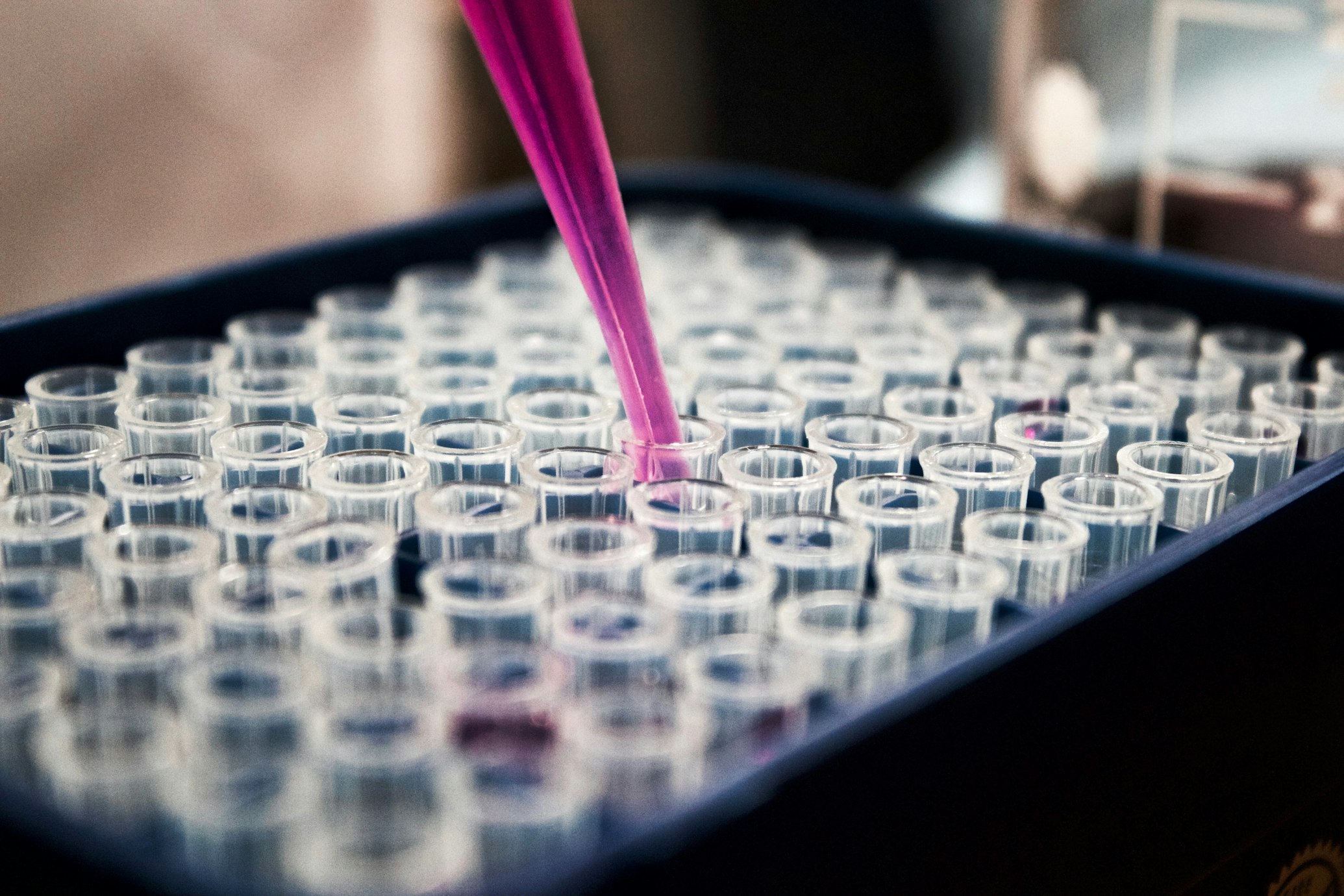
Advanced hydrogel models are providing new insights into ovarian cancer biology
Hydrogel technology has already demonstrated its value by revealing important aspects of ovarian cancer biology that traditional methods missed—particularly the enhanced drug resistance that occurs in three-dimensional environments similar to those found in actual tumors. This discovery alone has profound implications for how we screen and develop new cancer therapeutics.
As research continues, these versatile materials promise to further bridge the gap between laboratory findings and clinical applications. From creating increasingly sophisticated models of the tumor microenvironment to developing innovative drug delivery systems, hydrogels are poised to play a central role in the future of ovarian cancer research and treatment.
A Future of Hope
While there is still work to be done to refine these technologies and make them more widely accessible, the progress to date offers hope that we are moving toward a future where ovarian cancer can be detected earlier, treated more effectively, and understood more completely—thanks in no small part to these remarkable jelly-like materials that have added a crucial new dimension to cancer research.