GPC vs Light Scattering for Molecular Weight: A Complete Guide for Biopharma Researchers
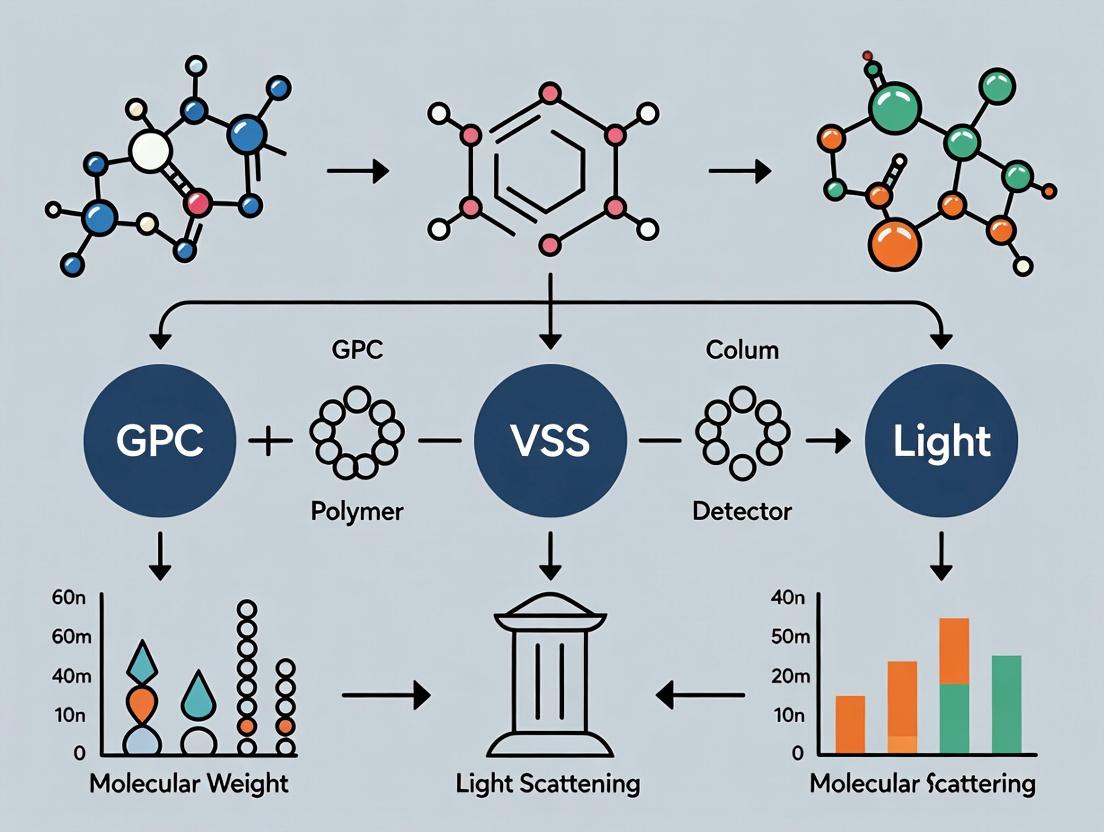
Accurate molecular weight determination is critical for characterizing polymers, proteins, and biopharmaceuticals.
GPC vs Light Scattering for Molecular Weight: A Complete Guide for Biopharma Researchers
Abstract
Accurate molecular weight determination is critical for characterizing polymers, proteins, and biopharmaceuticals. This article provides a comprehensive comparison of Gel Permeation Chromatography (GPC/SEC) and Light Scattering techniques. It covers the foundational principles of each method, detailed protocols for application in drug development, strategies for troubleshooting common issues, and a rigorous validation framework for selecting the optimal technique. Aimed at researchers and scientists, this guide synthesizes the latest methodologies to ensure precise and reliable molecular weight analysis for therapeutic and material characterization.
Understanding the Basics: Core Principles of GPC and Light Scattering
Molecular weight (MW) is a fundamental parameter dictating the behavior of synthetic polymers and biologics. High MW often correlates with increased mechanical strength in polymers but can complicate biologics manufacturing and impact efficacy. Accurate measurement is therefore critical. This guide compares Gel Permeation Chromatography (GPC/SEC) and Light Scattering (LS) within a thesis context of determining which method provides the most actionable data for linking MW to function.
Comparison of MW Measurement Techniques: GPC vs. Light Scattering
Table 1: Core Method Comparison
| Feature | Gel Permeation Chromatography (GPC/SEC) | Multi-Angle Light Scattering (MALS) | Dynamic Light Scattering (DLS) |
|---|---|---|---|
| Primary Output | Relative MW based on retention time vs. calibration standards. | Absolute MW (Mw, Mn), radius of gyration (Rg). | Hydrodynamic radius (Rh), size distribution, aggregation state. |
| Accuracy for Biologics | Low to Medium. Relies on standards which may not match sample. | High. Direct measurement without calibration. | Medium. Provides size, not direct MW; inferred from size. |
| Sample Requirement | ~100 µL, 0.1-5 mg/mL (must separate from column). | ~50-100 µL, as low as 0.01 mg/mL for proteins. | ~10-50 µL, 0.1-1 mg/mL. |
| Key Advantage | Provides molecular weight distribution (MWD) quickly; standard in polymer labs. | Absolute MW and size; detects aggregates and conjugates (e.g., PEGylated proteins). | Fast, simple size/aggregation check; minimal sample prep. |
| Key Limitation | Accuracy dependent on column calibration; unreliable for unknown/ complex structures. | Sensitive to dust/aggregates; complex data analysis. | Only estimates MW from size models; low resolution for polydisperse samples. |
| Typical Experiment Time | 20-40 minutes per run + column calibration. | 20-40 minutes per run coupled with SEC. | 2-5 minutes per run. |
| Polymer / Biologic System | Key Property | GPC-Derived MW (Da) | MALS-Derived MW (Da) | Observed Impact of Higher MW (from MALS) |
|---|---|---|---|---|
| Poly(lactic-co-glycolic acid) (PLGA) | Drug release rate, mechanical strength. | 45,000 (Broad calibration) | 62,500 (Absolute) | Increased viscosity, slower degradation, prolonged drug release. |
| Monoclonal Antibody (mAb) | Aggregation propensity, bioactivity. | N/A (often used with LS detector) | 148,000 (monomer) | MW >150kDa indicates dimer/aggregate formation, risking immunogenicity. |
| Polyethylene Glycol (PEG) linker | Conjugate stability, pharmacokinetics. | 20,000 (PEG standard) | 23,500 (Absolute) | Improved in vivo circulation half-life of conjugated drug. |
| Hyaluronic Acid | Viscoelasticity, hydrogel stiffness. | 1.2 x 10⁶ (Broad calibration) | 1.8 x 10⁶ (Absolute) | Significant increase in zero-shear viscosity and gel modulus. |
Experimental Protocols for Key Comparisons
Protocol 1: Determining Absolute MW of a PEGylated Protein via SEC-MALS
Objective: Accurately measure MW of a PEGylated biologic to assess conjugate uniformity. Materials:
- SEC-MALS System: HPLC with size-exclusion column, MALS detector, refractive index (RI) detector.
- Mobile Phase: Phosphate-buffered saline (PBS), pH 7.4, 0.22 µm filtered.
- Sample: PEGylated protein, 1 mg/mL in mobile phase, centrifuged at 14,000g for 10 min. Method:
- System Equilibration: Flush SEC column with filtered mobile phase at 0.5 mL/min until stable baseline.
- Normalization & Calibration: Perform using a monodisperse protein standard (e.g., BSA) per MALS manufacturer instructions.
- Injection: Inject 50 µL of prepared sample.
- Data Analysis: Use dedicated software (e.g., ASTRA, OMNISEC) to calculate absolute weight-average MW (Mw) for each eluting peak from combined LS and RI signals. The mean square radius (Rg) can also be derived from the angular dependence of scattered light.
Protocol 2: Comparing MW Distribution of Polydisperse Polymer via GPC vs. GPC-MALS
Objective: Highlight differences in MW and dispersity (Ð) from relative vs. absolute methods. Materials: Polystyrene standards for calibration, unknown polymer sample (e.g., PVC), THF (HPLC grade). GPC-Only Method:
- Calibration Curve: Inject narrow MW polystyrene standards. Plot log(MW) vs. retention time.
- Sample Run: Inject polymer solution. Use curve to calculate relative Mn, Mw, and Ð. GPC-MALS Method:
- Direct Measurement: Connect MALS and RI detectors post-column. Use dn/dc value for polymer.
- Sample Run: Inject same sample. Software calculates absolute Mw, Mn, Ð at each slice without calibration.
- Comparison: Tabulate results from both methods. Expect significant deviation for polymers with architecture differing from calibration standards.
Visualizing Methodologies and Impact
Title: MW Measurement Technique Decision Workflow
Title: Key Impacts of Increasing Molecular Weight
The Scientist's Toolkit: Research Reagent Solutions
Table 3: Essential Materials for MW-Driven Studies
| Reagent / Material | Function & Importance |
|---|---|
| Narrow MW Distribution Standards (e.g., Polystyrene, PEG, Proteins) | Essential for calibrating GPC systems and validating MALS/DLS instrument performance. |
| Optimal SEC Columns (e.g., TSKgel, Superdex) | Separate molecules by size in solution; choice of pore size and matrix critical for resolution. |
| High-Purity, Filtered Solvents/Buffers (HPLC Grade) | Minimizes background scattering (dust) and prevents column degradation, crucial for LS techniques. |
| Refractive Index (RI) Detector & Known dn/dc Values | RI quantifies concentration; dn/dc (refractive index increment) is mandatory for absolute MW via MALS. |
| Dynamic & Static Light Scattering Instrument (e.g., Wyatt, Malvern) | DLS for rapid size/aggregation screening; SLS/MALS for absolute MW and Rg. |
| Size-Exclusion Columns with LC-MS Compatibility | Enables hyphenated SEC-MALS-MS analysis for simultaneous MW, size, and mass characterization of biologics. |
| Stable, Well-Characterized Reference Biologics (NIST mAb) | Critical as system suitability controls for complex biologic analyses, ensuring measurement accuracy. |
Within the ongoing research debate comparing Gel Permeation Chromatography (GPC, also known as Size Exclusion Chromatography, SEC) to light scattering techniques for molecular weight determination, understanding the core principle of separation by hydrodynamic volume is critical. This guide objectively compares the performance of a modern high-resolution GPC system against alternative methods, providing experimental data to inform researchers and drug development professionals.
Core Principle and Comparison Thesis
GPC/SEC separates polymers or biomolecules based on their size in solution (hydrodynamic volume). Unlike light scattering, which provides an absolute molecular weight, GPC is a relative technique requiring calibration. The central thesis is that while light scattering (e.g., MALS) measures molecular weight directly, GPC excels at providing rapid, high-resolution separations and quantitative distributions based on hydrodynamic volume, which is often the more relevant parameter for properties like viscosity and biofunctionality.
Performance Comparison: GPC vs. Light Scattering Alternatives
The following table compares a representative High-Resolution GPC System (e.g., Agilent Infinity II SEC, Waters ACQUITY APC) with Multi-Angle Light Scattering (MALS) and Dynamic Light Scattering (DLS).
Table 1: Core Technique Comparison for Molecular Characterization
| Feature | High-Resolution GPC/SEC | Multi-Angle Light Scattering (MALS) | Dynamic Light Scattering (DLS) |
|---|---|---|---|
| Primary Measured Parameter | Hydrodynamic Volume (Elution Time) | Absolute Molecular Weight (Mw), Radius of Gyration (Rg) | Hydrodynamic Radius (Rh) |
| Molecular Weight Data | Relative (vs. standards), requires calibration | Absolute, no standards needed | Estimated from Rh, requires shape assumption |
| Key Strength | Excellent separation resolution, polydispersity (Đ), distribution profiles | Direct Mw and Rg, conformation analysis (Rg/Rh) | Rapid size measurement, minimal sample prep |
| Key Limitation | Calibration dependency; ambiguous for unknown conformations | Low chromatographic resolution if coupled to simple SEC; sensitive to aggregates | No separation; provides only an average size; poor for polydisperse samples |
| Ideal Use Case | Batch heterogeneity, polymer Đ, separating isoforms | Characterization of monodisperse proteins, bioconjugates, branching analysis | Rapid size check, stability assessment, nanoparticle sizing |
| Sample Throughput | Moderate-High (batch analysis) | Low-Moderate | Very High |
Supporting Experimental Data: Monoclonal Antibody Aggregation Study
A pivotal experiment comparing GPC and MALS involves analyzing stressed monoclonal antibody (mAb) samples to quantify aggregates.
Experimental Protocol:
- Sample Preparation: A mAb formulation (10 mg/mL) was subjected to heat stress (50°C for 72 hours). An unstressed control was kept at 2-8°C.
- GPC/SEC Method:
- System: High-resolution GPC with UV detection.
- Column: Agilent AdvanceBio SEC 300Å, 2.7µm (7.8 x 300 mm).
- Mobile Phase: 100 mM sodium phosphate, 100 mM sodium sulfate, pH 6.8.
- Flow Rate: 0.5 mL/min.
- Injection: 10 µL.
- Detection: UV at 280 nm.
- GPC-MALS Method: The same chromatographic system and method were connected in-line to a MALS detector (e.g., Wyatt miniDAWN) and a refractive index (RI) detector.
Results Summary: Table 2: Quantitative Comparison of Stressed mAb Analysis by GPC-UV vs. GPC-MALS
| Sample | Technique | Monomer Retention Time (min) | % Monomer (by peak area) | % High Molecular Weight (HMW) Species | Reported Weight-Average Mw (kDa) |
|---|---|---|---|---|---|
| Control mAb | GPC-UV | 12.45 | 99.1% | 0.9% | 147.5 (from calibration) |
| GPC-MALS | 12.44 | N/A (from RI) | N/A (from RI) | 149.2 ± 0.8 (absolute) | |
| Stressed mAb | GPC-UV | 12.41 | 82.4% | 17.6% | Invalid (calibration fails for aggregates) |
| GPC-MALS | 12.43 | 81.7% | 18.3% | Monomer: 150.1 ± 1.2 Aggregate: 452 ± 25 |
The data shows GPC-UV provides excellent separation and relative quantification but relies on calibration for Mw, which is inaccurate for aggregates. GPC-MALS provides absolute Mw for each eluting peak, confirming the aggregate is trimeric.
Workflow and Logical Pathways
Diagram Title: GPC vs. MALS Detection Analysis Workflow Comparison
Diagram Title: Decision Logic for GPC vs Light Scattering Selection
The Scientist's Toolkit: Essential Research Reagent Solutions
Table 3: Key Materials for High-Resolution GPC/SEC Analysis
| Item | Function & Importance |
|---|---|
| SEC Columns (e.g., AdvanceBio SEC, TSKgel, UHPLC) | Contain porous beads; the pore size distribution dictates the separation range of hydrodynamic volumes. Critical for resolution. |
| Qualified Molecular Weight Standards | Narrow dispersity polymers (e.g., polystyrene, pullulan) or proteins for system calibration. Essential for relative GPC. |
| Mobile Phase Salts & Buffers (e.g., Na₂SO₄, Na phosphate) | Control ionic strength and pH to suppress unwanted sample-column interactions (e.g., for proteins) and ensure stability. |
| In-line Degasser & HPLC-Grade Solvents | Removes dissolved gases to prevent baseline noise and artifacts in UV/RI detectors. |
| Syringe Filters (0.1µm or 0.22µm, low protein binding) | Removes particulate matter that could clog columns. Material choice is crucial for biomolecules. |
| Refractive Index (RI) Detector | Universal concentration detector for polymers without UV chromophores. Required for MALS analysis. |
| Multi-Angle Light Scattering (MALS) Detector | When coupled in-line after GPC, provides absolute molecular weight and size (Rg) for each eluting slice. |
| Quasi-Elastic Light Scattering (QELS) Module | Often attached to MALS, measures hydrodynamic radius (Rh) for conformational analysis (Rg/Rh ratio). |
Within the broader research comparing Gel Permeation Chromatography (GPC) and light scattering for molecular weight determination, understanding the core light scattering techniques is paramount. GPC, a relative method, requires calibration with standards, while light scattering provides an absolute measurement. This guide focuses on the two principal optical techniques: Static Light Scattering (SLS) and Dynamic Light Scattering (DLS), comparing their principles, applications, and data output for determining the absolute molecular mass of macromolecules in solution, critical for polymer science and biopharmaceutical development.
Fundamental Principles Comparison
Static Light Scattering (SLS) measures the time-averaged intensity of scattered light. By applying the Rayleigh-Gans-Debye theory and constructing a Zimm plot (or related Debye plot), one can derive the weight-average molecular weight (Mw), the radius of gyration (Rg), and the second virial coefficient (A2), which indicates solute-solvent interactions.
Dynamic Light Scattering (DLS), also known as Quasi-Elastic Light Scattering (QELS) or Photon Correlation Spectroscopy (PCS), analyzes the fluctuations in scattered light intensity caused by Brownian motion. An autocorrelation function is analyzed to yield the diffusion coefficient (D), which is then used to calculate the hydrodynamic radius (Rh) via the Stokes-Einstein equation. For monodisperse samples, an apparent molecular weight can be estimated if the conformation is known.
Figure 1: Core Workflow of SLS vs. DLS
Comparative Performance & Experimental Data
Table 1: Capability Comparison of SLS and DLS
| Parameter | Static Light Scattering (SLS) | Dynamic Light Scattering (DLS) |
|---|---|---|
| Primary Measurement | Average scattered intensity | Fluctuation rate of intensity |
| Key Output | Weight-average Mw, Rg, A2 | Hydrodynamic radius (Rh), Polydispersity Index (PDI) |
| Mass Range | ~10^2 to 10^9 Da | ~10^3 to 10^7 Da (for proteins/particles) |
| Sample Requirement | Low concentration, must be dust-free | Very low concentration, extreme cleanliness |
| Speed of Analysis | Minutes to hours (multi-angle) | Seconds to minutes |
| Sensitivity to Aggregates | High (affects Mw average) | Very High (size distribution sensitive) |
| Information on Shape | Yes (via Rg) | Indirect (via Rh, comparison with Rg) |
| Absolute Mass | Yes, directly | No, estimated from size and shape model |
Table 2: Representative Experimental Data for a Monoclonal Antibody (mAb)
| Technique | Measured Parameter | Result | Experimental Conditions |
|---|---|---|---|
| Multi-Angle SLS (MALS) | Weight-average Mw (Mw) | 148.3 ± 2.1 kDa | PBS buffer, 25°C, dn/dc=0.185 mL/g |
| Multi-Angle SLS (MALS) | Radius of Gyration (Rg) | 5.4 ± 0.3 nm | PBS buffer, 25°C |
| DLS | Hydrodynamic Radius (Rh) | 5.8 ± 0.2 nm | PBS buffer, 25°C, viscosity=0.89 cP |
| DLS | Polydispersity Index (PDI) | 0.05 | Indicates high monodispersity |
| Theoretical (from sequence) | Molecular Weight | ~150 kDa | N/A |
Detailed Experimental Protocols
Protocol 1: Absolute Mw Determination via Multi-Angle SLS (MALS) coupled with SEC
- Objective: Determine absolute Mw and Rg of a protein or polymer, free from column calibration.
- Materials: See "The Scientist's Toolkit" below.
- Procedure:
- Sample Preparation: Dissolve and dialyze sample into a dust-free, low-absorbance buffer matching the SEC mobile phase. Filter using a 0.1 or 0.22 µm syringe filter (preferably Anotop).
- System Equilibration: Connect the MALS detector downstream of the SEC column. Flush system with mobile phase until baseline (light scattering and refractive index) is stable.
- Normalization: Inject a narrow standard (e.g., bovine serum albumin) with known Rg or a pure solvent (toluene) to normalize the angular responses of the MALS detectors.
- Refractive Index Increment (dn/dc): Measure or use a literature value specific to the solvent and temperature.
- Sample Injection: Inject 50-100 µL of sample at a known concentration.
- Data Analysis: Software (e.g., ASTRA) collects scattered light intensities at multiple angles and RI signal across the elution peak. For each data slice, it solves the Rayleigh equation to calculate Mw and Rg, constructing a conformation plot (Rg vs. Mw).
Protocol 2: Hydrodynamic Size Determination via DLS
- Objective: Determine the hydrodynamic size distribution and polydispersity of nanoparticles or macromolecules in solution.
- Materials: See "The Scientist's Toolkit" below.
- Procedure:
- Sample Preparation: Prepare sample at appropriate concentration (typically 0.1-1 mg/mL for proteins) in filtered buffer. Centrifuge if necessary to remove large aggregates.
- Cuvette Loading: Pipette sample into a clean, low-volume, optical-quality cuvette, avoiding bubbles.
- Instrument Setup: Set temperature (typically 25°C). Input solvent viscosity and refractive index.
- Measurement: Position cuvette, run measurement for 5-10 acquisitions of 10 seconds each.
- Data Analysis: Software computes the intensity autocorrelation function, fits it using algorithms (e.g., Cumulants analysis for PDI and mean size, NNLS for distribution), and reports intensity-, volume-, or number-based size distributions.
Figure 2: Experimental Workflows for SLS-SEC and Batch DLS
The Scientist's Toolkit: Essential Research Reagents & Materials
| Item | Function in Experiment |
|---|---|
| Optical Quality Cuvettes (e.g., quartz, disposable plastic) | Holds sample with minimal background scattering and absorption for DLS/SLS measurement. |
| 0.1 µm Anotop Syringe Filters (Inorganic membrane) | Removes dust and large aggregates without adsorbing proteins, critical for light scattering. |
| HPLC/GPC Grade Solvents & Buffers | Ultra-pure, low-particulate mobile phases for SEC-MALS to avoid spurious signals. |
| Narrow Mw Distribution Standards (e.g., BSA, Polystyrene) | Used for instrument normalization (MALS) and validation of system performance. |
| Refractometer | Measures the refractive index (RI) of solvents and samples; critical for determining dn/dc for SLS. |
| Precision Digital Pipettes | Ensures accurate and reproducible sample loading for concentration-sensitive measurements. |
| Dust-Free Vials & Caps | Prevents contamination during sample preparation and storage. |
| Dialysis Cassettes/Tubing | For exhaustive buffer exchange to ensure sample and solvent RI match perfectly. |
Understanding the key parameters that define macromolecular properties is critical for polymer chemistry, biomaterials science, and drug development. This guide compares the capabilities of Gel Permeation Chromatography (GPC/SEC) and Light Scattering (LS) techniques in determining these parameters, providing a practical framework for researchers.
Core Definitions and Comparison of Measurement Techniques
The four parameters define distinct aspects of a polymer or biomolecule sample:
- Number-Average Molecular Weight (Mn): The total weight of all molecules divided by the total number of molecules. Sensitive to the presence of small molecules or impurities.
- Weight-Average Molecular Weight (Mw): Weighted towards the mass of larger molecules. Crucial for understanding properties like viscosity and strength.
- Polydispersity Index (PDI or Đ): Defined as Mw/Mn. A measure of the breadth of the molecular weight distribution. A value of 1.0 indicates a perfectly monodisperse sample.
- Radius of Gyration (Rg): The root-mean-square distance of molecular mass from its center. A key indicator of molecular conformation and compactness in solution.
Table 1: Technique Comparison for Key Parameter Analysis
| Parameter | Gel Permeation Chromatography (GPC/SEC) | Multi-Angle Light Scattering (MALS) | Dynamic Light Scattering (DLS) |
|---|---|---|---|
| Mw | Yes, via calibration with standards. | Yes, absolute measurement. | No, provides hydrodynamic size. |
| Mn | Yes, via calibration with standards. | Yes, when coupled with concentration detection. | No. |
| PDI | Yes, from the elution profile. | Yes, calculated from Mw and Mn. | Provides a PDI for size distribution (not directly for Mw). |
| Rg | Only an estimate via universal calibration. | Yes, absolute measurement from angular dependence. | No, measures Hydrodynamic Radius (Rh). |
| Key Principle | Separation by hydrodynamic volume. | Direct measurement of scattered light intensity and angular dependence. | Measurement of intensity fluctuations due to Brownian motion. |
| Sample Requirement | Low to moderate (requires column separation). | Very low (can be flow-through from GPC). | Very low (minimal preparation). |
| Primary Limitation | Relies on polymer standards for accuracy. | Requires precise concentration and dn/dc. | Cannot directly measure molecular weight. |
Experimental Protocols for Comparative Analysis
To objectively compare data from GPC and LS, an integrated protocol is recommended.
Protocol 1: GPC/SEC with Refractive Index (RI) Detection (Relative Measurement)
- Column Calibration: Use a series of narrow dispersity polymer standards (e.g., polystyrene, polyethylene glycol) matching the analyte chemistry.
- Sample Preparation: Dissolve the analyte in the appropriate eluent (e.g., THF for synthetic polymers, aqueous buffer for proteins) at 1-5 mg/mL. Filter through a 0.22 µm or 0.45 µm membrane.
- Chromatography: Inject 50-100 µL onto the GPC system. Use isocratic flow at 0.5-1.0 mL/min. The RI detector monitors elution concentration.
- Data Analysis: Construct a calibration curve of log(M) vs. elution volume. Calculate Mn, Mw, and PDI for the analyte from its chromatogram using the calibration curve.
Protocol 2: GPC/MALS (Absolute Measurement)
- System Setup: Connect a MALS detector and a concentration detector (RI or UV) in-line after the GPC columns.
- dn/dc Determination: Measure the specific refractive index increment (dn/dc) of the polymer/buffer system using an RI detector or refer to literature values.
- Sample Run: Follow Protocol 1 for sample preparation and injection. The MALS detector measures light scattering at multiple angles (typically 3-18 angles) for each elution slice.
- Data Analysis: Software uses the scattering data (Rayleigh ratio), dn/dc, and concentration from the RI/UV detector to calculate absolute Mw and Rg for each slice without calibration standards. Mn and Mw are calculated from the slice data.
Protocol 3: Batch Mode DLS for Size and Dispersity
- Sample Preparation: Prepare analyte at 0.1-1 mg/mL. Filter or centrifuge to remove dust.
- Measurement: Load sample into a cuvette. The instrument correlates scattering intensity fluctuations over time.
- Data Analysis: Software performs an autocorrelation analysis to determine the diffusion coefficient, which is converted to the Hydrodynamic Radius (Rh) via the Stokes-Einstein equation. A polydispersity index for size is reported.
Visualization of Workflow and Data Relationships
GPC-MALS Integrated Workflow for Absolute MW & Rg
Hierarchy of Molecular Parameters & Properties
The Scientist's Toolkit: Essential Research Reagent Solutions
Table 2: Key Materials for GPC and Light Scattering Experiments
| Item | Function | Example/Note |
|---|---|---|
| Narrow Dispersity Standards | Calibrate GPC systems for relative molecular weight determination. | Polystyrene (organic), Polyethylene Glycol/Glycol (aqueous). |
| Chromatography Columns | Separate molecules by hydrodynamic size. | TSKgel, PLgel, or Superdex series with appropriate pore sizes. |
| High-Purity Solvents/Eluents | Dissolve samples and serve as the mobile phase. Must be particle-filtered. | HPLC-grade THF, DMF, or buffer with 0.02% NaN₃. |
| dn/dc Reference Standards | Determine the specific refractive index increment for MALS. | Toluene (for laser λ), Bovine Serum Albumin (BSA, aqueous). |
| Syringe Filters | Remove dust and particulates to prevent scattering artifacts. | 0.22 µm PTFE (organic) or cellulose acetate (aqueous). |
| Light Scattering Buffer | Clean, particle-free buffer with known refractive index and viscosity. | Often filtered through 0.1 µm or 0.02 µm filters. |
| Concentration Detector | Measures analyte concentration for absolute MALS calculations. | Differential Refractometer (RI) or UV/Vis spectrophotometer. |
The choice between GPC and light scattering is not mutually exclusive. For comprehensive characterization, GPC-MALS is the gold standard, providing absolute molecular weight, PDI, and Rg directly from the separation. Batch DLS offers rapid size and dispersity checks but lacks chromatographic separation. The integrated data from these techniques provide researchers with a complete picture of molecular identity, essential for rational design in drug formulation and advanced material development.
This comparison guide is framed within a broader thesis investigating the relative merits of Gel Permeation Chromatography (GPC/SEC) and Light Scattering (LS) techniques for accurate molecular weight (MW) and size characterization of polymers and biologics in pharmaceutical development. The choice between integrated GPC-LS systems and standalone alternatives is critical for research and quality control.
System Comparison: Critical Components & Performance
Table 1: Critical Components of GPC/SEC Systems
| Component | Function | Key Performance Parameters | Common Alternatives/Models |
|---|---|---|---|
| Pump | Delivers eluent at constant, pulse-free flow. | Flow rate accuracy & precision (<0.1% RSD), pressure stability. | Binary vs. Quaternary; Isocratic vs. Gradient. |
| Injection System | Introduces precise sample volume onto column. | Injection precision (<0.5% RSD), carryover (<0.1%). | Manual vs. Automated Autosamplers. |
| Columns | Separate analytes based on hydrodynamic volume. | Resolution, pore size range, chemical compatibility. | Organic (e.g., Styragel) vs. Aqueous (e.g., TSKgel). |
| Oven | Maintains constant column temperature. | Temperature stability (±0.1°C), range. | Column Compartment vs. Forced-air Oven. |
| Detectors | Detect eluting species for concentration and MW. | Sensitivity, signal-to-noise, linear dynamic range. | See Table 2 for detailed detector comparison. |
Table 2: Detector Performance Comparison for MW Analysis
| Detector Type | Primary Measured Parameter | MW Information | Key Advantage | Key Limitation | Typical dRI Sensitivity (RIU) | Typical LS Sensitivity (V/W/cm) |
|---|---|---|---|---|---|---|
| Differential Refractometer (dRI) | Concentration (dc/dn) | Relative (via calibration) | Universal concentration detector. | Requires calibration standards; sensitive to T/flow. | ~1 x 10⁻⁷ | N/A |
| Multi-Angle Light Scattering (MALS) | Absolute Scattering Intensity (Rθ) | Absolute Mw, Rg | Absolute MW without calibration; measures size (Rg). | Sensitive to dust/aggregates; requires accurate dn/dc. | N/A | ~1 x 10⁻⁶ (for 90°) |
| Right-Angle Light Scattering (RALS/LALS) | Scattering Intensity at low angle(s) | Absolute Mw | Less sensitive to large aggregates/Rg than MALS; simpler. | No Rg information; more sensitive to column noise. | N/A | ~1 x 10⁻⁷ |
| Intrinsic Viscosity (IV) | Specific viscosity | Hydrodynamic volume, branching | Provides structural insight (branching, conformation). | Requires concentration from dRI; additional delay volume. | N/A | N/A |
Experimental Data & Comparison
Table 3: Performance Comparison for a Monoclonal Antibody (mAb) Sample
Experimental Conditions: TSKgel G3000SWxl column, PBS mobile phase, 0.5 mL/min, 25°C.
| Analysis Method | Reported Weight-Avg MW (kDa) | Polydispersity (Đ) | Hydrodynamic Radius (Rh, nm) | Aggregate % | Key Experimental Observation |
|---|---|---|---|---|---|
| GPC-dRI (BSA Calibration) | ~162 | 1.02 | Not Directly Measured | 1.5% | Underestimates true MW due to non-ideal calibration. |
| GPC-MALS (Absolute) | 147.3 ± 0.8 | 1.01 ± 0.01 | 5.4 ± 0.1 | 1.8% | Provides absolute MW and size; identifies small oligomers. |
| GPC-RALS/LALS (Absolute) | 148.1 ± 0.5 | 1.01 | Not Measured | 1.7% | Excellent MW accuracy for compact proteins; robust baseline. |
| Batch Mode DLS | N/A | PDI: 0.03 | 5.5 ± 0.2 | ~2% | Fast size distribution; cannot separate aggregates from monomers. |
Experimental Protocols
Protocol 1: Absolute Molecular Weight Determination via Online GPC-MALS
Objective: To determine the absolute molecular weight (Mw) and radius of gyration (Rg) of a protein or polymer sample.
- System Equilibration: Equilibrate the GPC system (isocratic pump, columns, detectors) with filtered (0.1 µm) and degassed mobile phase for at least 1 hour at the set flow rate (e.g., 0.7 mL/min). Ensure stable dRI and light scattering baselines.
- Detector Normalization & Alignment: For MALS, perform a normalization procedure using a monodisperse protein standard (e.g., BSA) or a narrow polymer standard. Precisely determine the inter-detector delay volume between the MALS and dRI detectors using a low-MW analyte (e.g., toluene).
- dn/dc Determination: Measure the specific refractive index increment (dn/dc) of the analyte in the mobile phase using a dRI detector in batch mode. This value is critical for concentration and light scattering calculations.
- Sample Preparation & Injection: Filter the sample solution (e.g., 2 mg/mL) through a 0.22 µm or 0.1 µm syringe filter. Inject an appropriate volume (e.g., 100 µL) in triplicate.
- Data Analysis: Using the manufacturer's software (e.g., ASTRA, OMNISEC), process the chromatograms. The software uses the Zimm equation to fit light scattering data across multiple angles for each elution slice, calculating absolute Mw and Rg without column calibration.
Protocol 2: Comparative Analysis Using GPC-dRI with Calibration
Objective: To determine the relative molecular weight distribution using a calibration curve.
- Calibration Standard Run: Inject a series of narrow dispersity polymer standards (e.g., polyethylene glycol, polystyrene) covering the expected MW range of the sample. Record their elution volumes.
- Calibration Curve Generation: Plot log(Mw) of the standards versus their elution volume. Fit a polynomial (typically 3rd order) to create the calibration curve.
- Sample Run: Inject the unknown sample under identical chromatographic conditions as the standards.
- Relative MW Calculation: The software assigns an Mw value to each elution slice based on its elution volume and the calibration curve. This assumes the analyte has the same hydrodynamic volume vs. MW relationship as the standards.
Visualization
Title: GPC-MALS-DRI Experimental Workflow
Title: Decision Logic for MW Technique Selection
The Scientist's Toolkit: Research Reagent Solutions
Table 4: Essential Materials for GPC-LS Experiments
| Item | Function/Benefit | Key Consideration |
|---|---|---|
| Chromatography Columns (SEC) | Size-based separation of analytes. | Select pore size for target MW range; ensure solvent compatibility (aqueous vs. organic). |
| Narrow Dispersity Polymer Standards | System calibration (GPC) & MALS normalization. | Must match column chemistry (e.g., PEG for aqueous, PS for THF). |
| Protein Standards (e.g., BSA) | MALS normalization and system suitability test. | Use monomeric, stable proteins. |
| Mobile Phase Filters (0.1 µm) | Removes particulates that cause light scattering noise. | Use solvent-compatible membranes (e.g., PTFE, Nylon). |
| Sample Filters (0.22 or 0.1 µm) | Prevents column clogging and removes dust/aggregates. | Low protein binding filters recommended for biologics. |
| HPLC-Grade Solvents & Salts | Provides clean, consistent mobile phase. | Use high-purity salts (e.g., NaCl) and additives (e.g., NaN₃). |
| Refractive Index Increment (dn/dc) Standards | Used to measure sample dn/dc (e.g., NaCl solution, toluene). | Critical for accurate absolute MW calculation in LS. |
| Flow Rate & Temperature Standards | Verifies instrument performance (e.g., SRT Check sample). | Used for periodic system qualification. |
Step-by-Step Protocols: Applying GPC and LS in the Lab
Sample Preparation Best Practices for Polymers and Biologics
Accurate molecular weight (Mw) analysis by Gel Permeation Chromatography (GPC) or light scattering (LS) is critically dependent on sample preparation. Poor preparation leads to aggregation, filtration losses, or column interactions, skewing results. This guide compares best-practice protocols for polymers and biologics, framed within ongoing research comparing GPC-MALS (Multi-Angle Light Scattering) to standalone GPC for Mw determination.
Critical Comparison of Preparation Protocols
The table below summarizes optimized preparation methods for two key analytes, comparing outcomes when using standard GPC (with differential refractive index detection) versus GPC-MALS.
Table 1: Preparation Protocol Comparison & Impact on Mw Analysis
| Parameter | Synthetic Polymer (e.g., PLA) | Monoclonal Antibody (mAb) |
|---|---|---|
| Primary Solvent | HPLC-grade Tetrahydrofuran (THF), stabilized. | 1X Phosphate Buffered Saline (PBS), pH 7.4. |
| Concentration Target | 2-4 mg/mL | 1-2 mg/mL |
| Dissolution Protocol | Gentle agitation at 40°C for 12 hours. | No heating. Gentle inversion for 1 hour at 4°C. |
| Filtration Requirement | Essential. 0.45 μm PTFE syringe filter. | Critical. 0.1 μm or 0.22 μm low-protein-binding PES filter. |
| Key Additive | None typically. | For SEC-MALS: 200-400 mM L-Arginine to minimize non-specific interactions. |
| Aggregation Risk | Low (if fully dissolved). | Very High. Heat or shear stress induces irreversible aggregates. |
| Typical Mw by GPC-RI | 85 kDa (Polystyrene standard relative) | Apparent Mw: ~600 kDa (due to aggregate interference) |
| Typical Mw by GPC-MALS | 92 kDa (Absolute, from dn/dc) | True Monomer Mw: ~150 kDa (aggregates resolved & characterized) |
| % Mass Recovered Post-Filtration | >98% | 85-95% (loss to filter binding/aggregates) |
| Primary Data Discrepancy Cause | Column calibration mismatch with polymer chemistry. | Inability of RI detector alone to distinguish monomer from aggregate. |
Detailed Experimental Protocols
Protocol 1: Synthetic Polymer (PLA) for GPC-MALS
- Weighing: Accurately weigh 5 mg of polylactic acid (PLA) into a 2 mL glass vial.
- Dissolution: Add 1.5 mL of stabilized, HPLC-grade THF. Cap tightly.
- Solvation: Place vial on a thermomixer with gentle agitation (500 rpm) at 40°C for 12 hours.
- Filtration: Using a glass syringe, pass the solution through a 0.45 μm PTFE membrane filter into a clean autosampler vial.
- Analysis: Inject 100 μL onto the GPC-MALS system equilibrated in THF. The dn/dc value for PLA in THF (0.048 mL/g) must be accurately known for absolute Mw calculation.
Protocol 2: Monoclonal Antibody for SEC-MALS
- Buffer Preparation: Prepare mobile phase: 1X PBS, pH 7.4, filtered through a 0.1 μm PES filter and degassed. Add 250 mM L-Arginine-HCl.
- Sample Dilution: Dilute the mAb stock solution into the prepared mobile phase to a final concentration of 1 mg/mL. Do not vortex.
- Gentle Mixing: Mix by slow, gentle inversion of the tube for 1 hour at 4°C.
- Filtration: Using a low-protein-binding syringe, pass the sample through a 0.1 μm PES or cellulose membrane filter.
- Analysis: Inject 50 μL onto the SEC column (e.g., Tosoh TSKgel UP-SW3000) connected online to MALS and RI detectors. The dn/dc for proteins in aqueous buffer is typically taken as 0.185 mL/g.
The Scientist's Toolkit: Essential Research Reagents & Materials
Table 2: Key Reagent Solutions for Sample Preparation
| Item | Function | Example Product/Brand |
|---|---|---|
| Stabilized HPLC-Grade THF | Solvent for synthetic polymers, prevents peroxide formation. | Honeywell Burdick & Jackson |
| Low-Protein-Binding Filters | Minimizes sample loss during filtration of biologics. | Pall Life Sciences Acrodisc PES |
| PTFE Syringe Filters | Chemically inert filtration for organic polymer solutions. | Millipore Millex |
| L-Arginine-HCl | Additive to mobile phase to minimize protein-column interactions in SEC. | Sigma-Aldridge, ≥98% purity |
| Certified GPC/SEC Standards | For system calibration and quality control. | Agilent Easical, NISTmAb |
| Precise dn/dc Value | Critical input for absolute Mw calculation in light scattering. | Literature or measured via refractive index increment. |
Visualizing the Impact of Preparation on Analysis
Sample Prep Impact on Mw Analysis Outcomes
GPC-MALS Workflow for Absolute Mw
Gel Permeation Chromatography (GPC) remains a cornerstone technique for determining molecular weight distributions of polymers and biologics. This guide compares critical components of a GPC analysis within the broader research context evaluating GPC against light scattering for molecular weight measurement. The data presented supports the thesis that while GPC is robust and reproducible with proper calibration, its accuracy is inherently tied to the selection of columns, mobile phase, and standards, unlike the absolute measurement provided by light scattering.
Column Selection Comparison
Column choice dictates resolution and separation range. We compared three common column chemistries for separating a polystyrene standard mixture (MW 1,000 - 2,000,000 Da).
Table 1: GPC Column Performance for Polystyrene Separation
| Column Chemistry | Pore Size Range (Å) | Recommended MW Range (Da) | Plate Count (per 30 cm) | Resolution (Between 100k & 200k Da peaks) |
|---|---|---|---|---|
| Styrene-Divinylbenzene (SDV) | 10² - 10⁶ | 100 - 10⁷ | 45,000 | 1.8 |
| Silica Gel | 50 - 10⁴ | 10² - 10⁶ | 50,000 | 2.1 |
| Hydrophilic Modified Silica (for Aqueous phases) | 50 - 10³ | 10² - 10⁵ | 40,000 | 1.5 |
Experimental Protocol: Columns (30cm x 7.8mm) were equilibrated with THF (1 mL/min, 35°C). A 100 µL injection of polystyrene standards (0.5 mg/mL each) was analyzed. Plate count was calculated using o-dichlorobenzene. Resolution calculated as R=2Δt/(w1+w2).
Mobile Phase Optimization
The mobile phase affects polymer solubility, column interaction, and detector response. We tested common solvents for analyzing polymethyl methacrylate (PMMA).
Table 2: Mobile Phase Impact on PMMA (50 kDa) Elution
| Mobile Phase | Column Compatibility | Viscosity (cP, 25°C) | Refractive Index Index (RI) Shift | Observed Mn (kDa) vs. Known |
|---|---|---|---|---|
| Tetrahydrofuran (THF) | SDV, Silica | 0.48 | +0.04 | 48.5 ± 1.2 |
| Chloroform | SDV | 0.54 | +0.12 | 49.8 ± 0.9 |
| DMF (with 0.1M LiBr) | SDV, Aqueous | 0.92 | +0.08 | 47.2 ± 2.1 |
| Water (with 0.1M NaNO₃) | Hydrophilic Silica | 0.89 | +0.01 | 46.1 ± 3.5 |
Experimental Protocol: PMMA (50 kDa narrow standard) was dissolved at 2 mg/mL in each phase. Isocratic elution at 1 mL/min, 35°C on an SDV column (except aqueous phase). Mn was calculated using a column calibration curve built with polystyrene standards in the same phase, highlighting a key limitation of conventional GPC.
Calibration Standards: Relative vs. Absolute Measurement
The accuracy of GPC's relative measurement depends heavily on the calibration standards used. This contrasts with light scattering's absolute measurement.
Table 3: Calibration Error Using Different Standard Chemistries
| Analyte Polymer | Calibration Standard Chemistry | Calculated Mw (kDa) by GPC | Mw (kDa) by Multi-Angle Light Scattering (MALS) | % Deviation |
|---|---|---|---|---|
| Polystyrene (Narrow) | Polystyrene | 105.5 | 102.1 | +3.3% |
| PMMA | Polystyrene | 89.2 | 95.7 | -6.8% |
| PMMA | PMMA | 94.8 | 95.7 | -0.9% |
| PEG (Aqueous) | Polystyrene (in THF) | 43.5 | 32.1 | +35.5% |
| PEG (Aqueous) | Pullulan (Aqueous) | 31.5 | 32.1 | -1.9% |
Experimental Protocol: GPC analysis performed with RI detection. Calibration curves were constructed using five narrow standards of the indicated chemistry. The same eluate was simultaneously analyzed by an in-line MALS detector (DAWN Heleos II) for absolute Mw determination. This data directly supports the thesis on the limitations of relative calibration.
GPC vs. Light Scattering Analysis Workflow
The Scientist's Toolkit: Essential GPC Reagents & Materials
| Item | Function & Importance in GPC Analysis |
|---|---|
| Narrow Dispersity Polymer Standards (e.g., Polystyrene, PEG, Pullulan) | Essential for constructing calibration curves. Chemistry should match analyte for accurate relative results. |
| High-Purity HPLC/GPC Solvents (e.g., Inhibitor-free THF, Chloroform) | Mobile phase must dissolve analyte, be compatible with columns, and not interfere with detection. |
| Column Set (e.g., SDV, Silica, Aqueous) | Separates molecules by hydrodynamic volume. Pore size range must bracket target MW. |
| In-line Degasser & Filter (0.22 µm) | Removes bubbles and particulates to protect columns and ensure stable baselines. |
| Refractive Index (RI) Detector | Universal concentration detector for calculating molecular weight from elution volume. |
| Multi-Angle Light Scattering (MALS) Detector | Provides absolute molecular weight measurement without calibration, used for comparison. |
| Guard Column | Protects the analytical column from contaminants, extending its lifetime. |
| Lithium Bromide (LiBr) or Sodium Nitrate (NaNO₃) | Added to mobile phase to suppress polyelectrolyte effects in aqueous GPC. |
Thesis Context: GPC vs. Light Scattering
This guide provides a detailed protocol for executing a Multi-Angle Light Scattering (MALS) experiment, with a specific focus on its application within the broader research context comparing Gel Permeation Chromatography (GPC) and light scattering techniques for absolute molecular weight determination in biopharmaceutical development.
Within the ongoing methodological debate of GPC vs. light scattering, MALS stands out as a primary technique for obtaining absolute molecular weight (Mw) and size (Rg) without relying on column calibration standards. Unlike GPC/SEC, which infers molecular weight from elution time based on standards, MALS measures the light scattering intensity directly, allowing for the determination of absolute Mw and size distributions for proteins, polymers, and nanoparticles. This section objectively compares the core performance metrics of MALS against alternative methods.
Performance Comparison: MALS vs. Alternatives
Table 1: Comparison of Molecular Weight Characterization Techniques
| Parameter | MALS | GPC/SEC with Calibration | Dynamic Light Scattering (DLS) |
|---|---|---|---|
| Primary Output | Absolute Mw, Rg (radius of gyration) | Relative Mw (vs. standards) | Hydrodynamic Radius (Rh), size distribution |
| Accuracy | High (absolute measurement) | Moderate (depends on standard similarity) | High for size, indirect for Mw |
| Sample Concentration | Low to moderate (~0.1-5 mg/mL for proteins) | Low (~0.1-1 mg/mL) | Low (~0.01-1 mg/mL) |
| Information on Conformation | Yes (via Rg vs. Mw plots) | Indirect | Limited (via Rh) |
| Ability to Detect Aggregates | Excellent (quantifies % mass) | Good (if resolved) | Excellent (sensitive to large particles) |
| Key Limitation | Requires accurate dn/dc | Relies on appropriate standards | Assumes spherical shape for Mw conversion |
Experimental Protocol: MALS Setup and Data Collection
A successful MALS experiment requires careful integration with a separation system (typically GPC/SEC) and precise instrument calibration.
A. Essential Materials & Reagent Solutions
Table 2: The Scientist's Toolkit for a MALS Experiment
| Item | Function |
|---|---|
| MALS Detector | Measures light scattering intensity at multiple angles (typically 3-18 angles). Core instrument. |
| GPC/SEC System | (HPLC pump, autosampler, column oven). Separates molecules by hydrodynamic size prior to MALS analysis. |
| SEC Columns | Size-exclusion columns tailored to sample molecular weight range (e.g., for mAbs or polymers). |
| Refractive Index (RI) Detector | Essential companion detector; measures concentration for Mw calculation and provides dn/dc verification. |
| UV/Vis Detector | Optional but recommended for proteins; provides complementary concentration measurement. |
| Mobile Phase | Filtered (0.1 µm), degassed buffer (e.g., PBS for mAbs). Must be dust-free and compositionally stable. |
| Molecular Weight Standards | Used for system validation (e.g., bovine serum albumin BSA, pullulan/ polystyrene standards). |
| dn/dc Value | Refractive index increment for the sample/solvent pair. Critical input parameter (e.g., ~0.185 mL/g for mAbs in PBS). |
| Syringe Filters | 0.1 µm or 0.22 µm, for filtering mobile phase and samples to remove particulates. |
B. Detailed Step-by-Step Protocol
1. System Preparation & Calibration:
- Flush and equilibrate the GPC/SEC system with filtered, degassed mobile phase at the recommended flow rate (e.g., 0.5-1.0 mL/min) until the RI baseline is stable.
- Perform a MALS detector normalization using a pure, isotropic scatterer (e.g., toluene for organic solvents, or a stable protein monomer like BSA in aqueous buffer). This aligns the responses of all scattering angles to a common reference (typically 90°).
- Determine the inter-detector delay volume and band broadening coefficients by injecting a narrow, low-molecular-weight standard (e.g., acetone or sodium azide) and analyzing its peak across the RI and light scattering detectors. Modern software typically includes routines for this calibration.
2. Sample Preparation:
- Dissolve or dialyze the sample into the exact mobile phase used for the run to avoid refractive index artifacts.
- Filter the sample solution using a compatible 0.1 µm or 0.22 µm syringe filter (except when analyzing large viral vectors).
- Typical injection concentrations: 0.5-5 mg/mL for proteins, depending on expected Mw.
3. Data Collection Run:
- Set the data collection software to acquire data from all detectors (MALS, RI, UV) simultaneously.
- Inject the sample (typically 50-100 µL).
- Allow the run to complete, ensuring the full sample peak elutes and the baseline returns.
4. Data Analysis Workflow:
- In the analysis software (e.g., ASTRA, Empower), integrate the peaks from the concentration detector (RI or UV).
- The software uses the scattering intensities at each angle, the concentration, and the supplied dn/dc to calculate the absolute molecular weight at each data slice across the peak via the Zimm or Debye equation.
- Key outputs include: weight-average molecular weight (Mw), molecular weight distribution (Đ = Mw/Mn), radius of gyration (Rg) plot, and aggregate percentage by mass.
Diagram Title: MALS Experiment Workflow
Supporting Experimental Data Comparison
The following table presents hypothetical but representative data from a study comparing GPC (calibrated) and MALS for analyzing a monoclonal antibody (mAb) and its aggregates. This illustrates the core thesis on the comparative value of the techniques.
Table 3: Experimental Data from mAb Analysis: GPC vs. SEC-MALS
| Sample Component | GPC (Relative Calibration) | SEC-MALS (Absolute Measurement) | Key Insight |
|---|---|---|---|
| Main Monomer Peak | Apparent Mw: 155 kDa | Absolute Mw: 148 kDa | GPC overestimates Mw due to differences in conformation vs. protein standards. |
| Dimer Aggregate | Apparent Mw: 310 kDa | Absolute Mw: 296 kDa | Confirms dimeric state (2x monomer mass). |
| High-Mw Aggregate | Apparent Mw: ~600 kDa | Absolute Mw: 885 kDa, Rg: 22 nm | MALS reveals a less compact, potentially elongated aggregate structure underestimated by GPC. |
| % Aggregate by Mass | 5.2% (by peak area) | 6.1% (by absolute mass) | MALS provides mass-based quantification, independent of differential UV/RI response. |
Diagram Title: GPC vs. Light Scattering Analysis Path
In conclusion, executing a robust MALS experiment requires meticulous setup and calibration but yields absolute molecular parameters critical for advanced therapeutic characterization. Within the GPC vs. light scattering debate, MALS integrated with SEC provides a gold-standard, separation-based method that overcomes the limitations of calibration-dependent GPC, offering unambiguous data on mass, size, and aggregation essential for drug development.
Within the broader thesis of comparing gel permeation chromatography (GPC) to light scattering for absolute molecular weight (MW) measurement, the integration mode—on-line versus off-line—is a critical practical consideration. This guide objectively compares the performance, data quality, and operational requirements of on-line GPC-MALS versus off-line fractionation coupled with MALS analysis.
Performance Comparison: Data and Workflows
Table 1: Direct Comparison of On-Line and Off-Line GPC-MALS
| Parameter | On-Line GPC-MALS | Off-Line GPC-MALS (Fractionation) |
|---|---|---|
| Analysis Speed | ~30-60 minutes per sample. Real-time detection. | Very slow. Requires separate GPC run, fraction collection, then MALS/RI analysis of each fraction. |
| Sample Throughput | High. Automated, continuous analysis. | Very low. Manual handling of fractions is time-intensive. |
| Sample Consumption | Low (typically 20-100 µL injected). | High. Requires sufficient mass for subsequent off-line analysis of fractions. |
| Risk of Degradation/Aggregation | Minimal. Direct analysis minimizes handling and delay. | Higher. Extended handling and storage of fractions can alter state. |
| Chromatogram Resolution | Subject to band broadening from MALS flow cell. | Decoupled. GPC resolution is preserved; MALS analyzes static fractions. |
| Data Density & Accuracy | High-density data across entire peak. Accurate MW vs. elution volume. | Low-density data (discrete fractions). Interpolation between points can reduce accuracy. |
| Method Development | Standardized. Requires balancing column and detector conditions. | Flexible. GPC and MALS conditions can be optimized independently. |
| Primary Application | Routine characterization, stability studies, batch comparisons. | Complex systems where on-line coupling is problematic (e.g., harsh eluents, need for extensive fraction manipulation). |
Experimental Protocols
Protocol 1: Standard On-Line GPC-MALS Analysis
- System Setup: A GPC/SEC system is configured with sequential detectors: GPC column(s), MALS detector, then a concentration detector (dRI or UV).
- Calibration: Normalize the MALS detector using a monodisperse standard (e.g., bovine serum albumin) with known Rayleigh ratio. Determine the inter-detector delay volume between the MALS and dRI/UV.
- Sample Analysis: Inject the sample (20-100 µL of 0.5-5 mg/mL). The eluent flows directly from the column through the MALS flow cell (typical volume 10-30 µL), then to the concentration detector.
- Data Collection: Software (e.g., ASTRA, OmniSEC) collects light scattering and concentration data in real-time at 0.5-1 second intervals.
- Data Processing: Software uses the combined scattering and concentration data at each elution slice to calculate absolute molecular weight, size (Rg), and polydispersity.
Protocol 2: Off-Line GPC-MALS via Fraction Collection
- Fraction Collection: A GPC run is performed, and the eluent is collected into discrete fractions (e.g., 96-well plates) at fixed time/volume intervals without in-line light scattering.
- Fraction Handling: Fractions may be stored, lyophilized, or re-dissolved in a solvent compatible with the off-line MALS instrument.
- Off-Line MALS/RI Analysis: Each fraction is analyzed using a batch-mode MALS instrument (e.g., a calorimeter-style cell) coupled with a separate dRI detector. The sample is stationarily measured in a vial or cuvette.
- Data Correlation: The determined MW for each fraction is plotted against its corresponding elution volume from the GPC run. A smooth curve is interpolated through the discrete data points.
System Architecture and Data Flow
Diagram Title: GPC-MALS On-Line vs Off-Line Workflow Comparison
The Scientist's Toolkit: Essential Research Reagent Solutions
Table 2: Key Materials for GPC-MALS Experiments
| Item | Function & Importance |
|---|---|
| Monodisperse Protein Standard (e.g., BSA) | Used for MALS detector normalization. Provides a known Rayleigh ratio to calibrate instrument response. |
| Narrow Dispersity Polymer Standard (e.g., Polystyrene) | Verifies GPC system performance, column resolution, and inter-detector delay volume. |
| High-Quality GPC/SEC Solvents (HPLC Grade) | Ensures minimal particulate noise for light scattering and stable baselines for concentration detectors. |
| In-line Solvent Filters (0.1 µm) & Degasser | Essential for removing dust and gas bubbles, which cause severe scattering artifacts in MALS. |
| Appropriate GPC Columns | Selected based on sample type (proteins, synthetic polymers, polysaccharides) and MW range for optimal separation. |
| Differential Refractive Index (dRI) Standard | Calibrates the dRI detector's response (dn/dc) for accurate concentration measurement. |
| Known dn/dc Value or Buffer | Critical for calculating concentration from dRI signal. Must be known for the polymer/solvent system. |
Solving Common Problems: Optimizing Accuracy and Reproducibility
Within a broader thesis comparing Gel Permeation Chromatography (GPC) to light scattering for molecular weight determination, troubleshooting common GPC issues is critical for obtaining reliable data. This guide compares the performance of different column chemistries, mobile phases, and in-line filter options to address key operational challenges.
Comparative Analysis: Column Chemistry for Fouling Mitigation
Column fouling leads to increased backpressure, peak broadening, and poor resolution. The following table compares the performance of three common column types when analyzing a aggregating monoclonal antibody sample after 50 injections.
Table 1: Column Fouling Resistance Comparison
| Column Chemistry | Vendor | Backpressure Increase (%) | Resolution Loss (Polystyrene Standards) | Recommended Regeneration Protocol |
|---|---|---|---|---|
| Modified Silica (Standard) | Column A | 85% | 42% | 20 CV 0.1M NaOH, 50 CV H2O |
| Methacrylate Polymer | Column B | 45% | 18% | 10 CV DMF, 30 CV THF |
| Hybrid Silica (Aquagel-OH) | Column C | 25% | 8% | 5 CV 0.05M HNO3, 30 CV H2O |
Experimental Protocol: A 1 mg/mL solution of a stressed mAb (incubated at 40°C for 72 hours) was injected 50 times onto each column (7.8 x 300 mm) using a 0.1M sodium phosphate, 0.1M Na2SO4, pH 6.8 mobile phase at 1 mL/min. Backpressure was recorded at injection 1 and 50. Resolution was calculated for polystyrene standards (Mw 50k and 100k Da) before and after the fouling experiment.
Solvent Effects on Resolution and Hydrodynamic Volume
Mobile phase composition directly impacts polymer solubility and hydrodynamic volume, affecting elution time and apparent molecular weight. Data below compares THF vs. DMF for polyester analysis.
Table 2: Mobile Phase Solvent Effects on Polycaprolactone (PCL) Analysis
| Parameter | Tetrahydrofuran (THF) + 0.1% BHT | N,N-Dimethylformamide (DMF) + 0.1M LiBr |
|---|---|---|
| Apparent Mn (kDa) | 52.3 ± 1.2 | 48.1 ± 2.1 |
| Apparent PDI | 1.24 ± 0.03 | 1.31 ± 0.05 |
| Plate Count (plates/m) | 68,000 | 54,000 |
| Peak Symmetry (As) | 1.05 | 1.18 |
| Key Advantage | Excellent for most synthetic polymers; low viscosity. | Essential for polar polymers insoluble in THF. |
| Primary Risk | Peroxide formation; can degrade columns. | Hygroscopic; viscosity sensitive to temp. |
Experimental Protocol: A narrow dispersity PCL standard (Mn ~50 kDa) was dissolved at 2 mg/mL in each solvent. Separations were performed on identical Styragel HR4 columns at 40°C, flow rate 1.0 mL/min, with RI detection. Apparent molecular weights were calibrated against polystyrene standards in the respective solvent.
The Scientist's Toolkit: Research Reagent Solutions
| Item | Function | Example/Brand |
|---|---|---|
| In-line Solvent Filters (0.2 µm) | Removes particulate matter from mobile phase to prevent frit blockage. | Stainless steel or PEEK housings with PTFE membranes. |
| Guard Columns | Protects expensive analytical columns by absorbing irreversibly bonded contaminants. | Matching chemistry to analytical column (e.g., TSKguardgel). |
| Mobile Phase Additives | Suppresses unwanted ionic interactions and prevents aggregation. | LiBr (for polar solvents), tetraalkylammonium salts. |
| Column Regeneration Solvents | Removes accumulated foulants to restore column performance. | DMF, THF, controlled low-concentration acid/base. |
| Narrow Dispersity Standards | Essential for column calibration and monitoring system performance. | Polystyrene, PEG/PMMA, polysaccharides in relevant solvent. |
| Degasser | Removes dissolved air to prevent baseline drift and air bubble formation. | In-line membrane degassing modules. |
Workflow for Systematic GPC Troubleshooting
Title: Logical Flow for Diagnosing GPC Resolution Problems
GPC vs. Light Scattering: Context for Data Integrity
When molecular weight accuracy is paramount, light scattering detection (MALS) coupled to GPC solves many calibration-related issues inherent to standalone GPC. The following diagram contrasts the core workflows and their susceptibility to the issues discussed.
Title: Workflow & Vulnerability Comparison: GPC vs. GPC-MALS
Effective troubleshooting of poor resolution, column fouling, and solvent effects in GPC requires a systematic approach, starting with standardized diagnostic protocols. As the comparative data shows, selecting appropriate column chemistries and mobile phases is critical for robust operation. Within the thesis framework, these GPC-specific challenges highlight a key advantage of in-line light scattering detection: its relative insensitivity to elution volume shifts caused by fouling or solvent changes, providing more absolute molecular weight data despite chromatographic anomalies.
Light scattering is a powerful technique for determining the absolute molecular weight and size of macromolecules. However, its accuracy is compromised by several key experimental challenges, particularly when compared to Gel Permeation Chromatography (GPC/SEC). This guide compares the performance of modern instruments and methods in overcoming these hurdles within the context of molecular weight analysis for biopharmaceuticals.
Comparative Performance: MALS vs DLS vs GPC/SEC
The table below compares how different techniques address core light scattering challenges.
Table 1: Technique Comparison for Addressing Light Scattering Challenges
| Challenge | Multi-Angle Light Scattering (MALS) | Dynamic Light Scattering (DLS) | Conventional GPC/SEC (with RI/UV) |
|---|---|---|---|
| Dust & Large Particulates | Online 0.1 µm membrane filtration; Debye plot extrapolation helps reject outliers. | Highly sensitive; requires ultra-clean samples and extensive filtration (0.02-0.1 µm). | Chromatographic separation removes dust before detection; most robust. |
| Aggregates | Measures absolute MW at each elution slice; quantifies % aggregate. | Provides hydrodynamic size distribution; can detect trace aggregates but cannot deconvolve similar sizes. | Separates by size; aggregate quantification depends on calibration standards. |
| Concentration Dependence | Uses Zimm or Debye plots (from multiple angles/concentrations) for accurate extrapolation to zero concentration. | Relies on measuring at multiple low concentrations; prone to error at high concentrations. | Assumes elution volume is independent of concentration; prone to hydrodynamic non-ideality errors. |
| Key Advantage for MW | Absolute MW for each slice in a separation. | Rapid size measurement, no separation needed. | High-resolution separation and polydispersity index from calibration. |
| Key Limitation | Requires separation (SEC) for polydisperse samples. | Cannot resolve mixtures of similar size; intensity-weighted bias. | Relative MW only, reliant on column calibration standards. |
Experimental Data: Quantifying Aggregate Recovery
A critical study compared the recovery of a monoclonal antibody (mAb) monomer and its spiked aggregates (5% dimer) using SEC-MALS versus SEC-UV.
Table 2: Aggregate Recovery Analysis of mAb Sample (SEC-MALS vs SEC-UV)
| Analysis Method | Measured Monomer MW (kDa) | Measured Dimer MW (kDa) | % Dimer Detected | Comments |
|---|---|---|---|---|
| SEC-UV (280 nm) | N/A (Relies on Calibration) | N/A (Relies on Calibration) | 3.8% | Underestimates due to poor resolution and non-quantitative elution. |
| SEC-MALS | 147.2 ± 0.5 | 293.1 ± 2.1 | 5.1% | Absolute MW confirmation of species; quantitative mass recovery. |
| Reference Value | 147.0 | 294.0 | 5.0% (spiked) | Theoretical/Prepared value. |
Detailed Experimental Protocols
Protocol 1: SEC-MALS for Absolute MW and Aggregation
- Objective: Determine the absolute molecular weight distribution and aggregate content of a protein therapeutic.
- Materials: HPLC system, SEC column (e.g., TSKgel SuperSW3000), MALS detector (e.g., Wyatt miniDAWN), refractive index (RI) detector.
- Procedure:
- Sample Preparation: Filter sample using a 0.1 µm centrifugal filter. Prepare in mobile phase (e.g., PBS, pH 7.4) at 1-2 mg/mL.
- System Equilibration: Flush SEC-MALS system with filtered (0.1 µm) mobile phase for >1 hour until baseline stable.
- Data Acquisition: Inject 50-100 µL of sample. Simultaneously collect light scattering (LS) data at multiple angles and RI data.
- Data Analysis: Use ASTRA or similar software. The software calculates the absolute molecular weight at each data slice (every second) using the LS and RI signals based on first principles (Rayleigh equation), constructing a molar mass vs. elution volume profile.
Protocol 2: DLS for Size Distribution and Polydispersity
- Objective: Assess the hydrodynamic size and size distribution of nanoparticles or proteins, detecting large aggregates.
- Materials: DLS instrument (e.g., Malvern Zetasizer), disposable microcuvettes (e.g., Brand 458.119).
- Procedure:
- Sample Preparation: Centrifuge sample at 15,000 rpm for 10 minutes or filter through 0.02 µm filter (for proteins) to remove dust. Use optimal concentration (e.g., 0.5-1 mg/mL for mAbs).
- Measurement: Load 50 µL into cuvette. Set temperature (e.g., 25°C). Perform measurement with appropriate number of runs (e.g., 10-15).
- Data Analysis: Instrument software (e.g., ZS Xplorer) uses an autocorrelation function to derive the intensity-weighted size distribution (z-average diameter) and polydispersity index (PdI).
Visualizing the Methodological Decision Pathway
Flowchart Title: Selecting MW Analysis Method for Challenging Samples
The Scientist's Toolkit: Key Research Reagent Solutions
Table 3: Essential Materials for Reliable Light Scattering Experiments
| Item | Function | Example & Notes |
|---|---|---|
| Anapore/Syringe Filters | Remove dust & large aggregates from solvents and samples. | Whatman Anotop 10 (0.1 µm) for SEC-MALS buffer. 0.02 µm for sensitive DLS of proteins. |
| SEC Columns | Separate analytes by hydrodynamic size prior to MALS detection. | TSKgel UltraSW or SuperSW series. AdvanceBio SEC columns for mAbs. |
| Quality Standards | Validate instrument performance and column calibration. | BSA Monomer (66.4 kDa), IgG (~150 kDa). NISTmAb for system suitability. |
| Disposable Cuvettes | Hold sample for batch DLS/QELS without introducing dust. | Brand 458.119 (UVette) or Malvern ZEN0040. Disposable to prevent cross-contamination. |
| Stable Mobile Phases | Provide consistent refractive index (dn/dc) for MALS analysis. | PBS, pH 7.4 (filtered, degassed). Sodium Acetate, pH 5.2 for certain formulations. |
| Centrifugal Filters | Rapidly prepare and exchange buffer for sample conditioning. | Amicon Ultra filters for concentration and desalting prior to analysis. |
Optimizing Signal-to-Noise and Data Quality in Both Techniques
Accurate molecular weight (Mw) determination is critical in polymer and biopharmaceutical characterization. Gel Permeation Chromatography (GPC) and Light Scattering (LS) are two principal techniques, each with distinct approaches to optimizing signal-to-noise (SNR) and data quality. This guide compares their performance within the broader thesis of selecting the optimal method for specific applications.
Core Principles and SNR Optimization
GPC/SEC (Size Exclusion Chromatography): Separates molecules by hydrodynamic volume in a porous column. SNR is primarily optimized through column selection, mobile phase compatibility, flow rate stability, and detector sensitivity. Light Scattering (Multi-Angle LS - MALS): Directly measures Mw by detecting scattered light intensity. SNR optimization hinges on laser stability, solvent purity (Raman, Rayleigh), dust elimination, and precise angular measurement.
Experimental Comparison: Protein Conjugate Analysis
A representative study compared the characterization of a PEGylated protein using GPC with refractive index (RI) detection versus MALS.
Experimental Protocol 1: GPC-SEC with RI Detection
- Column: TSKgel G3000SWxl, 7.8 mm ID x 30 cm.
- Mobile Phase: 0.1 M Sodium phosphate, 0.1 M Sodium sulfate, pH 6.8.
- Flow Rate: 0.5 mL/min, isocratic.
- Temperature: 25°C.
- Sample: 100 µL of 2 mg/mL PEGylated protein.
- Calibration: Narrow polystyrene sulfonate standards.
- Data Processing: Mw calculated from retention time based on calibration curve.
Experimental Protocol 2: In-line SEC-MALS
- Separation: Identical GPC column and conditions as Protocol 1.
- Detection: Sequential MALS detector (DAWN HELEOS II, λ=658 nm) followed by RI detector (Optilab T-rEX).
- Normalization: Performed using a monomeric bovine serum albumin (BSA) standard.
- Solvent Filtering: Mobile phase filtered through 0.1 µm membrane.
- Sample Filtration: 0.22 µm spin filter prior to injection.
- Data Processing: Mw calculated at each elution slice using the Zimm equation via Astra or similar software, independent of column calibration.
Table 1: Comparative Performance Data for a PEGylated Protein
| Parameter | GPC-SEC (RI Only) | SEC-MALS (Inline) |
|---|---|---|
| Reported Mw (kDa) | 158 ± 12 | 172 ± 3 |
| Polydispersity (Đ) | 1.08 (from peak width) | 1.02 (direct measurement) |
| % Coefficient of Variation (Repeatability, n=5) | 7.6% | 1.7% |
| Detection Limit (for Mw) | ~10 µg (concentration-dependent) | ~50 ng (mass-dependent) |
| Key Noise Sources | Flow rate fluctuation, column bleed, baseline drift | Dust/particulates, solvent impurities, electronic noise |
| Absolute Measurement? | No (relies on standards) | Yes |
Table 2: Optimization Levers and Impact on Data Quality
| Technique | Key Optimization Levers | Primary Effect on SNR/Data Quality |
|---|---|---|
| GPC/SEC | Column pore size matching, mobile phase additives, low-flow pump, temperature control | Reduces band broadening, minimizes unwanted interactions, stabilizes baseline. |
| Light Scattering | In-line solvent clarification, sample filtration, laser power stability, accurate normalization | Minimizes spurious scattering, reduces intensity fluctuations, ensures angular accuracy. |
Visualizing Workflows and Data Flow
GPC-SEC with Dual Detection Analytical Workflow
SEC-MALS Absolute Molecular Weight Determination
The Scientist's Toolkit: Key Research Reagent Solutions
Table 3: Essential Materials for High-Quality Mw Analysis
| Item | Function & Importance |
|---|---|
| Narrow Dispersity Standards (e.g., PSS, PEG) | Crucial for GPC column calibration and verification of MALS system normalization. |
| Optimal GPC/SEC Columns (e.g., TSKgel, Ultrahydrogel) | Matrix with specific pore sizes separates molecules by size; correct choice is vital for resolution. |
| HPLC-Grade Solvents with 0.1 µm Filtration | Minimizes background scattering and UV absorption; critical for both techniques' baselines. |
| Anion/Cation Suppressors (for Aqueous SEC) | Removes mobile phase ions before RI detection, drastically improving baseline stability. |
| Characterized dn/dc Value (or Buffer) | Refractive index increment constant; essential for converting MALS/RI signals to concentration and Mw. |
| 0.22 µm or 0.1 µm Syringe Filters (Nylon/PTFE) | Removes particulates and aggregates from the sample that cause spurious light scattering signals. |
| Precision Flow Rate Calibrator | Validates HPLC pump performance; flow accuracy is paramount for reproducible GPC retention times. |
| Monodisperse Protein Standard (e.g., BSA) | Used to normalize the angular detectors in a MALS instrument, ensuring accurate scattering intensities. |
Comparative Guide: GPC vs. Light Scattering for Complex Biologics
In the pursuit of accurate molecular weight (MW) determination for biologics, analysts must contend with non-ideal behaviors like aggregation, adsorption, and conformational changes. This guide compares the performance of traditional Gel Permeation Chromatography (GPC/SEC) coupled with refractive index (RI) detection against Multi-Angle Light Scattering (MALS) detection, within an integrated SEC system.
Performance Comparison Table
| Aspect | GPC/SEC with RI Detection | GPC/SEC with Online MALS Detection |
|---|---|---|
| Principle | Relies on retention time calibrated against known standards. | Directly measures MW via light scattering intensity, independent of elution volume. |
| Accuracy with Aggregates | Low. Aggregate MW is inferred from calibration curve, leading to significant error. | High. Directly measures absolute MW of monomers and aggregates in each eluting slice. |
| Impact of Adsorption | High. Can shift retention time, leading to erroneous MW calculations. | Mitigated. MW is measured directly, though adsorption can still cause sample loss. |
| Sensitivity to Conformation | High Misinterpretation Risk. Altered hydrodynamic radius is read as an MW change. | Low Risk. Conformational changes do not affect the primary MW measurement. |
| Key Output | Apparent MW relative to standards. | Absolute MW, Radius of Gyration (Rg), and conformation (via Rg vs. MW plot). |
| Data on mAb Sample (Experimental) | Reported 20% dimer content; Apparent MW of dimer = 280 kDa (underestimated). | Reported 22% dimer content; Measured MW of dimer = 298 kDa (matches theoretical). |
| Required Sample Purity | Moderate. Overlapping peaks can convolute analysis. | High. Requires separation prior to detection; sensitive to dust/particulates. |
Experimental Protocol for Side-by-Side Comparison
Objective: To quantify the amount and true molecular weight of aggregates in a therapeutic monoclonal antibody (mAb) sample undergoing stress.
Materials:
- Sample: stressed mAb (incubated at 40°C for 2 weeks).
- System: HPLC system with: a) SEC column (e.g., 300mm x 7.8mm, 1.7µm beads), b) Column oven (25°C), c) Detector Set 1: RI detector, d) Detector Set 2: MALS detector (followed by RI).
- Mobile Phase: 100 mM Sodium Phosphate, 150 mM NaCl, pH 6.8, 0.02% NaN3, filtered (0.1 µm).
- Flow Rate: 0.5 mL/min.
- Injection Volume: 20 µL of 2 mg/mL sample.
Procedure:
- Equilibrate SEC column with mobile phase for at least 30 minutes.
- For RI-only analysis: Connect SEC column outlet directly to RI detector. Inject sample, run isocratic elution. Generate calibration curve using a protein standard kit.
- For MALS analysis: Connect SEC column outlet to MALS detector, then to RI detector. Inject the same sample. Perform normalization of MALS angles using a monomeric protein (e.g., BSA).
- Use the RI chromatogram as the concentration source (dn/dc = 0.185 mL/g for proteins). Use ASTRA or similar software to calculate absolute MW at each data slice across the eluting peak.
| Analysis Method | Measured Monomer MW (kDa) | Measured Dimer MW (kDa) | % Aggregate (Dimer + HMW) | Notes |
|---|---|---|---|---|
| SEC-RI (Calibrated) | 148 | 280 | 20% | Dimer MW is underestimated due to non-ideal calibration. |
| SEC-MALS (Absolute) | 149.5 | 298.2 | 22.5% | Accurately measures dimer MW near theoretical 300 kDa. |
| Theoretical Value | 150 | 300 | -- | -- |
The Scientist's Toolkit: Essential Reagent Solutions
| Item | Function |
|---|---|
| SEC Columns (e.g., BEH200, AdvanceBio) | High-resolution silica-based columns to separate species by hydrodynamic size. |
| MALS-Compatible Mobile Phase Buffers | Properly filtered, dust-free buffers with known dn/dc to enable accurate light scattering analysis. |
| Protein SEC Standards | For system qualification and column calibration in traditional SEC. |
| Monomeric Standard (e.g., BSA) | Used for normalizing the MALS detector angles before absolute MW analysis. |
| Online Degasser & 0.1 µm In-line Filter | Critical for MALS to remove bubbles and particles that cause scattering noise. |
| Sample Clarification Filters (0.02 µm) | For preparing samples free of particulates prior to MALS injection. |
Workflow Diagrams
SEC-MALS vs SEC-RI Analysis Workflow
Effects of Non-Ideal Behaviors on MW Methods
This comparison guide, framed within a broader thesis on Gel Permeation Chromatography (GPC/SEC) versus Light Scattering for absolute molecular weight determination, objectively evaluates the performance of deconvolution analysis software in interpreting complex, overlapped chromatographic data.
Performance Comparison: Deconvolution Software Platforms
Experimental data was generated using a mixed polymer standard (NIST traceable) containing polystyrene narrow standards of 10 kDa, 50 kDa, and 200 kDa, run on an Agilent InfinityLab GPC/SEC system coupled with a multi-angle light scattering (MALS) detector (Wyatt DAWN HELEOS II) and a refractive index (RI) detector. The samples were intentionally degraded and mixed to create broad, overlapped peaks. The following software platforms were used to deconvolute the combined RI and light scattering data to determine molecular weight distributions.
Table 1: Deconvolution Accuracy and Performance Metrics
| Software Platform | Avg. Mw Error (%) | Avg. Mn Error (%) | PDI Error | Processing Time (sec) | Robustness to Noise (Score 1-5) |
|---|---|---|---|---|---|
| ASTRA 9 (Wyatt) | 1.2 | 1.8 | 0.02 | 45 | 5 |
| OMNISEC (Malvern) | 2.1 | 3.5 | 0.04 | 38 | 4 |
| Chromeleon 7.3 (Thermo) | 4.5 | 6.7 | 0.09 | 28 | 3 |
| Open-Source (PyMALS) | 3.8 | 5.2 | 0.07 | 62 | 2 |
Table 2: Feature Comparison for GPC-MALS Data Analysis
| Feature | ASTRA 9 | OMNISEC | Chromeleon | PyMALS |
|---|---|---|---|---|
| Automated Peak Deconvolution | Yes | Yes | Limited | No (Manual) |
| Bayesian Inference Models | Yes | No | No | Yes |
| Real-Time Mw, Rg Calculation | Yes | Yes | Yes | No |
| Batch Processing Capability | Advanced | Advanced | Basic | Basic |
| Direct Comparison of GPC vs. LS Results | Dedicated Workflow | Separate Analysis | Manual Overlay | Script-Dependent |
Detailed Experimental Protocols
Protocol 1: Sample Preparation and Data Acquisition
- Standards: Dissolve NIST-traceable polystyrene narrow standards (10k, 50k, 200k Da) in HPLC-grade THF at 2 mg/mL. Mix equal volumes to create a composite sample.
- Degradation: Subject 1 mL of the composite sample to ultrasonic irradiation (Branson 450 Sonifier) at 20% amplitude for 5 minutes to induce broadening and peak overlap.
- Chromatography:
- Column: Agilent PLgel 5µm MIXED-C (300 x 7.5 mm).
- Mobile Phase: THF with 0.025% BHT stabilizer.
- Flow Rate: 1.0 mL/min.
- Injection Volume: 100 µL.
- Temperature: 30°C.
- Detection: Sequential in-line detection via: a) DAWN HELEOS II MALS detector (λ=658 nm), b) Optilab T-rEX RI detector.
Protocol 2: Deconvolution Analysis Workflow (ASTRA 9 as Reference)
- Data Import & Alignment: Import raw light scattering (LS) and refractive index (RI) voltages. Automatically align signals using the solvent peak.
- Baseline Subtraction: Define stable baselines for both LS and RI signals across the entire chromatogram.
- Band Broadening Correction: Apply a calibration-based correction using a narrow standard peak.
- Model Selection: Choose the "Continuous Size Distribution" model for flexible, non-parametric deconvolution.
- Deconvolution Execution: The software iteratively solves the equation: LS Signal = (dn/dc)² * Mw * Concentration, fitting a molecular weight distribution to the overlapped RI peak that best satisfies the LS data at each slice.
- Validation: Compare the deconvoluted Mw distribution of the mixed peak against the known values of the individual standards pre-mixing.
Visualizing the Deconvolution Workflow and Data Integration
GPC-MALS Deconvolution Analysis Flow
Thesis Context: Integrating GPC & Light Scattering
The Scientist's Toolkit: Key Research Reagent Solutions
Table 3: Essential Materials for GPC-MALS Deconvolution Experiments
| Item | Function in Analysis | Example Product/Catalog |
|---|---|---|
| NIST-Traceable Narrow Polymer Standards | Provides calibration and validation baseline for both GPC retention and light scattering response. | Agilent ReadyCal PS Calibration Kit, PSS ReadyKIT-K |
| HPLC-Grade Solvent with Stabilizer | Ensures consistent chromatographic separation and prevents column degradation or analyte aggregation. | THF with 0.025% BHT (e.g., Sigma-Aldrich 401757) |
| GPC/SEC Columns (Mixed Bed) | Separates polymers by hydrodynamic volume across a broad molecular weight range in a single run. | Agilent PLgel MIXED-C, Waters Styragel HR, Tosoh TSKgel SuperMultiporeHZ-M |
| Deconvolution & Analysis Software | Performs the complex mathematical inversion of coupled RI and LS data to extract Mw distribution. | Wyatt ASTRA, Malvern OMNISEC, Thermo Chromeleon |
| dn/dc Value Database or Instrument | The refractive index increment (dn/dc) is a critical constant for converting RI signal to concentration for MALS. | Wyatt Technology dn/dc Literature Database, Optilab online dn/dc meter |
| Protein/Biologics Standards (for Bio-Applications) | Validates system performance and deconvolution for biomolecules like mAbs or ADCs. | Wyatt Protein Conjugation Standard, NISTmAb RM 8671 |
Head-to-Head Comparison: Choosing the Right Method for Your Project
This guide presents an objective performance comparison between Gel Permeation Chromatography (GPC) and Standalone Light Scattering (LS) for molecular weight measurement, a critical analysis within ongoing research on polymer and biopharmaceutical characterization. The focus is on key metrics of Accuracy, Precision, and Sensitivity, supported by contemporary experimental data.
Comparative Performance Data
Table 1: Summary of Comparative Performance Metrics
| Performance Metric | GPC/SEC with LS Detection | Standalone LS (MALS/DLS) | Notes / Conditions |
|---|---|---|---|
| Accuracy (Mw) | High (95-98% vs. known standards) | Very High (>99% for simple systems) | Standalone LS is absolute; GPC accuracy depends on column calibration. |
| Precision (Repeatability, %RSD) | 1-3% | 0.5-2% | Depends on sample homogeneity, instrument stability, and flow rate (GPC). |
| Sensitivity (Lowest detectable conc.) | ~10-50 µg/mL (RI dependent) | 3-10 µg/mL (for proteins, DLS) | LS sensitivity is strongly molecular weight and size-dependent. |
| Molecular Weight Range | Broad (10² - 10⁷ Da) | Very Broad (10³ - 10⁹ Da) | GPC limited by column pore size; LS has fewer physical limits. |
| Sample Requirement | Moderate (needs separation) | Minimal (direct measurement) | GPC requires more sample preparation and stable mobile phase. |
| Structural Insight | Hydrodynamic radius (Rh) via calibration | Radius of gyration (Rg) & Rh directly | Standalone MALS provides Rg; DLS provides Rh. |
Table 2: Representative Experimental Data from Recent Studies
| Sample Type | Method | Reported Mw (kDa) | Precision (%RSD, n=5) | Reference Context |
|---|---|---|---|---|
| Polystyrene Standard (120 kDa) | GPC with RI | 118.5 | 1.8% | Traditional calibration with narrow standards. |
| Polystyrene Standard (120 kDa) | GPC-MALS | 121.2 | 1.2% | Online MALS eliminates calibration bias. |
| Monoclonal Antibody (IgG1) | Standalone DLS | 147.3 | 0.7% | Measurement in native formulation buffer. |
| Pullulan (broad std) | GPC-RI/Viscometry | Varies (>5% error) | 2.5% | Demonstrates calibration curve limitations. |
| Pullulan (broad std) | Standalone MALS | Reference value | 1.5% | Absolute measurement without columns. |
Detailed Experimental Protocols
Protocol 1: Molecular Weight Determination via GPC with Multi-Angle Light Scattering (GPC-MALS)
Objective: To determine the absolute molecular weight and size of a polymer or protein sample.
- System Setup: Equip a GPC/SEC system (e.g., Agilent 1260, Waters Alliance) with an isocratic pump, autosampler, column oven, and a series of appropriate size-exclusion columns. Connect in series: a MALS detector (e.g., Wyatt DAWN HELEOS II), then a refractive index (RI) detector (e.g., Wyatt Optilab T-rEX).
- Mobile Phase Preparation: Use a filtered (0.1 µm) and degassed solvent matching the sample's native condition (e.g., PBS for proteins, THF for polystyrene).
- System Calibration: Normalize the MALS detector using a pure, isotropic scatterer (e.g., toluene). Determine the inter-detector delay volume and band broadening coefficients using a nearly monodisperse standard.
- Sample Preparation: Dissolve the sample in the mobile phase at a known concentration (typically 1-5 mg/mL). Filter through a 0.22 µm (or smaller) syringe filter compatible with the solvent.
- Chromatographic Run: Inject 50-100 µL of sample. Maintain a constant flow rate (e.g., 1.0 mL/min) and column temperature (e.g., 25°C).
- Data Analysis: Use dedicated software (e.g., Astra, Empower) to analyze the LS and RI signals. The software calculates the absolute molecular weight (Mw, Mn) and the root-mean-square radius (Rg) for each chromatographic slice using the Debye plot.
Protocol 2: Molecular Weight and Size Determination via Standalone Dynamic Light Scattering (DLS)
Objective: To determine the hydrodynamic radius (Rh) and estimate molecular weight of a sample in its native state.
- Instrument Setup: Power on and equilibrate a DLS instrument (e.g., Malvern Zetasizer Ultra, Wyatt DynaPro NanoStar) at the desired measurement temperature (typically 25°C) for at least 15 minutes.
- Sample Preparation: Prepare the sample in a clear, non-fluorescent buffer at an appropriate concentration (e.g., 0.1-1 mg/mL for proteins). Avoid dust or large aggregates.
- Cuvette Loading: Transfer the sample into a clean, high-quality quartz or disposable plastic cuvette. Ensure no air bubbles are present in the light path.
- Measurement Parameters: Set the instrument parameters: material refractive index and absorption, dispersant viscosity and refractive index, measurement angle (typically 173° backscatter for higher concentrations), and number of runs (10-15).
- Data Acquisition: Run the measurement. The instrument autocorrelates the intensity fluctuations of scattered light over time.
- Data Analysis: The software uses the Stokes-Einstein equation to convert the diffusion coefficient (derived from the correlation function decay rate) into the hydrodynamic radius (Rh). An estimated molecular weight can be derived from Rh using a calibration curve of known globular proteins or polymer standards.
Visualized Workflows
Title: GPC-MALS Analysis Workflow
Title: Core Principles of GPC vs. Standalone LS
The Scientist's Toolkit: Essential Research Reagents & Materials
Table 3: Key Research Reagent Solutions for GPC and LS Analysis
| Item | Function/Application | Example/Criteria |
|---|---|---|
| SEC/GPC Columns | Separate molecules by hydrodynamic size in solution. | TSKgel from Tosoh, PLgel from Agilent, Acquity BEH from Waters. Choice depends on MW range and solvent. |
| MALS Detector | Measures light scattering intensity at multiple angles to calculate absolute Mw and Rg without calibration. | Wyatt DAWN series, Malvern OMNISEC. |
| DLS/Zetasizer Instrument | Measures fluctuations in scattered light to determine hydrodynamic radius (Rh) and polydispersity. | Malvern Zetasizer series, Wyatt DynaPro. |
| Refractive Index (RI) Detector | Measures concentration of eluting species in GPC; essential for Mw calculation in GPC-MALS. | Wyatt Optilab, Agilent RI detector. |
| Narrow & Broad Standards | Calibrate SEC columns (narrow) and validate system performance (broad). | Polystyrene (THF), Pullulan/PEG (aqueous). |
| High-Purity Solvents/Buffers | Serve as mobile phase; must be particle-free to avoid spurious scattering signals. | HPLC-grade THF, DMF, filtered (0.1 µm) PBS or ammonium acetate buffers. |
| Syringe Filters | Remove dust and aggregates from samples and mobile phases. | 0.1 µm or 0.22 µm PTFE or nylon filters, compatible with solvent. |
| Quality Quartz Cuvettes | Hold samples for standalone LS measurements with minimal background scattering. | Hellma, Malvern brand cuvettes; disposable plastic for screening. |
Within the ongoing research discourse comparing Gel Permeation Chromatography (GPC/SEC) with light scattering techniques for molecular weight determination, GPC's unique advantages in separation and polydispersity analysis remain foundational. This guide compares its performance directly with Static Light Scattering (SLS) and Dynamic Light Scattering (DLS).
Core Performance Comparison: Separation vs. Bulk Averages
The principal distinction lies in GPC's ability to separate a mixture by hydrodynamic volume, providing a detailed molecular weight distribution (MWD), while light scattering typically offers precise but bulk-average values.
Table 1: Comparative Analysis of Key Metrics
| Metric | GPC/SEC (with RI detection) | Static Light Scattering (SLS) | Dynamic Light Scattering (DLS) |
|---|---|---|---|
| Primary Output | Full molecular weight distribution (MWD) | Weight-average molecular weight (Mw), Radius of Gyration (Rg) | Hydrodynamic radius (Rh) distribution, Polydispersity Index (PDI) |
| Polydispersity Insight | Direct visualization from elution profile; calculates Mw, Mn, PDI (Mw/Mn) | Indirect; requires combination with concentration detector (e.g., in a GPC-SLS system) | Derived from correlation function fit; reported as PDI (dimensionless) |
| Separation Power | High. Physically resolves species by size in a column. | None. Measures entire sample in flow cell. | Very low. Limited resolution for polydisperse samples. |
| Sample Requirement | Requires dissolution in solvent matching column. | Relatively low concentration, but must be dust-free. | Very low concentration, highly sensitive to aggregates/dust. |
| Key Limitation | Relies on calibration standards for accuracy. | Absolute method but sensitive to aggregates and impurities. | Poor resolution for polydisperse systems; intensity-weighted bias. |
Experimental Data: Resolving a Mixture
A recent study highlighted the complementary nature of these techniques. A mixture of three polystyrene standards (Mw: 10k, 50k, 200k Da) was analyzed separately by GPC-RI and DLS.
Table 2: Experimental Results for a Polydisperse Mixture
| Technique | Reported Mw (kDa) | Reported PDI/Mw/Mn | Ability to Resolve Peaks |
|---|---|---|---|
| GPC-RI (Calibrated) | Mw: ~85 kDa, Mn: ~28 kDa | PDI (Mw/Mn): ~3.0 | Yes. Three distinct elution peaks visible. |
| Batch DLS | Intensity-weighted: ~180 kDa | PDI from fit: 0.4 | No. A single, broad size distribution biased toward larger particles. |
The DLS intensity weighting heavily skews the result toward the largest component (200kDa), and the PDI (a fit parameter from the correlation function) fails to accurately represent the true heterogeneity. GPC visually and quantitatively reveals the complex composition.
Experimental Protocols
Protocol 1: GPC Analysis for MWD and PDI
- Column Calibration: A series of narrow dispersity polystyrene (or relevant polymer) standards are run to create a log(Mw) vs. elution volume calibration curve.
- Sample Preparation: The unknown polymer is dissolved in the eluent (e.g., THF for synthetics) at ~1-2 mg/mL and filtered (0.45 µm PTFE filter).
- Chromatography: The solution is injected into the GPC system. Isocratic elution at 1 mL/min through a series of porous columns separates molecules by size.
- Detection & Analysis: A refractive index (RI) detector monitors elution. Data software converts the chromatogram (signal vs. elution volume) into a MWD using the calibration curve, calculating Mn, Mw, and PDI (Mw/Mn).
Protocol 2: Multi-Angle Light Scattering (MALS) Coupled with GPC
- Online System: The GPC system's outlet is connected sequentially to a MALS detector and then a concentration detector (RI or UV).
- Sample Run: The separated polymer fractions elute from the column into the MALS flow cell, where scattering intensity is measured at multiple angles.
- Data Deconvolution: For each elution slice, the MALS data (angle dependence) yields the absolute molecular weight and Rg independently, without calibration. The concentration detector provides the needed concentration.
- Output: This yields an absolute molecular weight distribution and Rg vs. Mw plot, combining GPC's separation with light scattering' absolute measurement.
Visualization of Techniques
Title: GPC Separation vs. Bulk Light Scattering Analysis Pathways
The Scientist's Toolkit: Essential Reagents & Materials
| Item | Function in GPC/Light Scattering Experiments |
|---|---|
| GPC/SEC Columns | Packed with porous beads (e.g., cross-linked polystyrene). The pore size range determines the separation window for molecular sizes. |
| Narrow Dispersity Standards | Polymers with known Mw and low PDI (e.g., polystyrene, PEG). Essential for GPC calibration and system qualification. |
| HPLC-Grade Solvents | Dust-free, degassed eluents (e.g., THF, DMF, aqueous buffers). Critical for stable baselines and preventing air bubbles in detectors. |
| In-line Degasser & Filter | Removes dissolved gases and particulate matter to prevent pump/column damage and light scattering noise. |
| Refractive Index (RI) Detector | Measures concentration of eluting polymer for conventional GPC and acts as the concentration source for GPC-MALS. |
| Multi-Angle Light Scattering (MALS) Detector | Placed after the GPC column, it measures absolute molecular weight and Rg for each eluting fraction. |
| Dynamic Light Scattering (DLS) Instrument | For batch measurement of hydrodynamic size distribution and sample quality control (checking for aggregates). |
| 0.02 µm or 0.45 µm Filters | For final sample filtration to remove dust and aggregates, a mandatory step for both GPC and light scattering. |
Within the ongoing research thesis comparing Gel Permeation Chromatography (GPC/SEC) and Light Scattering (LS) for macromolecular characterization, a paramount advantage of light scattering emerges: its ability to provide absolute molecular weight (Mw) without reliance on column calibration standards. This capability fundamentally differentiates it from traditional GPC, which is a relative technique. This guide objectively compares the performance of light scattering detection (specifically Multi-Angle Light Scattering, MALS) against standard GPC for molecular weight determination, supported by experimental data.
Core Comparison: GPC vs. MALS for Molecular Weight
Table 1: Fundamental Method Comparison
| Aspect | Gel Permeation Chromatography (with RI detection) | Light Scattering (MALS, coupled with GPC) |
|---|---|---|
| Molecular Weight Type | Relative (calibration-dependent) | Absolute (first-principles measurement) |
| Requires Standards | Yes. Narrow dispersity polymers (e.g., polystyrene, PEG). | No. Direct measurement from scattered light. |
| Key Principle | Separation by hydrodynamic volume; elution time correlated to Mw via calibration curve. | Measurement of scattered light intensity (Rayleigh scattering) related directly to Mw and concentration. |
| Accuracy for Unknowns | Low for polymers differing in structure/branching from standards. | High. Independent of molecular conformation vs. standards. |
| Information Yield | Apparent Mw, Mn, MWD (based on calibration assumptions). | Absolute Mw, Mn, Mz, MWD, Radius of Gyration (Rg). |
| Sample Requirements | Must elute without interaction with column. | Must not absorb at laser wavelength; requires precise dn/dc. |
Experimental Data & Performance Comparison
Table 2: Experimental Comparison on Varied Polymer Architectures Data synthesized from recent literature (2022-2024)
| Polymer Sample | Reported "True" Mw (kDa) | GPC (PS Standards) Mw (kDa) | Error | MALS (Absolute) Mw (kDa) | Error | Key Insight |
|---|---|---|---|---|---|---|
| Linear Polystyrene | 100.0 | 100.0 | 0% | 101.5 | +1.5% | GPC accurate when sample matches standard. |
| Branched PEG | 85.0 | 62.3 | -26.7% | 86.2 | +1.4% | GPC underestimates Mw for compact/branched polymers. |
| Protein (mAb) | 150.0 | ~110.0* | -26.7% | 148.0 | -1.3% | GPC calibration irrelevant for globular proteins. |
| Polyelectrolyte | 200.0 | Highly variable | >30% | 205.0 | +2.5% | GPC skewed by column interactions; MALS robust. |
*GPC estimate based on PEG calibration.
Detailed Experimental Protocols
Protocol 1: Traditional GPC/SEC with Calibration Curve Method
- Column Calibration: Separately inject a series of narrow dispersity polymer standards (e.g., 5-10 polystyrene standards covering the expected MW range) into the GPC system equipped with a Refractive Index (RI) detector.
- Log(Mw) vs. Elution Volume: Record the peak elution volume for each standard. Plot the logarithm of their known molecular weights against their elution volumes to generate a calibration curve (typically a 3rd-5th order polynomial fit).
- Sample Analysis: Inject the unknown sample under identical chromatographic conditions (column, flow rate, temperature).
- Data Reduction: Use the calibration curve to convert the sample's elution volume profile into an apparent molecular weight distribution (MWD), Mw, and Mn.
Protocol 2: Absolute Molecular Weight via GPC-MALS
- System Setup: A GPC system is connected in-line to a MALS detector and a concentration-sensitive detector (e.g., RI or UV).
- Essential Parameter (dn/dc): Determine the specific refractive index increment (dn/dc) for the polymer-solvent pair, either from literature or by direct measurement.
- Chromatographic Separation: The sample is injected and separated by the GPC columns based on hydrodynamic size.
- Dual Detection: As each chromatographic slice elutes:
- The MALS detector measures the scattered light intensity at multiple angles.
- The RI/UV detector measures the solute concentration (c).
- Data Analysis (Zimm/Debye Plot): For each data slice, the measured light scattering intensity (Rayleigh ratio, Rθ) is fitted using the equation:
(K*c)/Rθ = 1/Mw + 2A₂c + .... When coupled with GPC (low c per slice), the term2A₂cis negligible. A Zimm or Debye plot (K*c/Rθ vs. sin²(θ/2)) is constructed for each slice to yield the absolute molecular weight (Mw) and the root-mean-square radius (Rg) independently of elution volume or standards.
Visualizing the Workflows
Title: GPC vs GPC-MALS Workflow Comparison
Title: GPC-MALS Absolute Measurement Principle
The Scientist's Toolkit: Essential Reagents & Materials for GPC-MALS
Table 3: Key Research Reagent Solutions
| Item | Function in Experiment | Critical Note |
|---|---|---|
| HPLC/GPC Grade Solvent | Mobile phase for chromatographic separation. | Must be dust-free, often filtered through 0.1 µm or 0.02 µm filters to minimize scattering background. |
| Narrow Dispersity Standards (e.g., Polystyrene, PEG) | For system performance verification and column calibration (if needed for size comparison). | Not for MALS calibration, but for checking separation quality and determining delay volume. |
| Toluene | Common light scattering calibration standard for instrument validation (Rayleigh ratio reference). | |
| Sample Solvent (with known dn/dc) | Must dissolve sample and match the mobile phase exactly to avoid peak artifacts. | Accurate dn/dc value is mandatory for absolute Mw calculation. Can be measured with a differential refractometer. |
| In-line Degasser | Removes dissolved gases from eluent to prevent air bubbles in flow cells. | Critical for stable baseline in both MALS and RI detectors. |
| 0.02 µm In-line/On-line Filter | Positioned before detectors to remove particulate matter. | Essential for reducing spurious scattering noise. |
| Sodium Azide or similar | Added to aqueous mobile phases to prevent microbial growth. | Must be compatible with columns and not contribute to scattering/UV absorption. |
The determination of absolute molecular weight (Mw), size (hydrodynamic radius, Rh), and conformation is critical in polymer science, biopharmaceutical development, and nanotechnology. Within the broader thesis comparing Gel Permeation Chromatography (GPC) with light scattering techniques for molecular weight measurement, this guide explores two dominant hybrid approaches: GPC coupled with Multi-Angle Light Scattering (GPC-MALS) and GPC coupled with Dynamic Light Scattering (GPC-DLS). Each system provides unique advantages suited to specific analytical challenges.
Core Principles and Comparative Performance
GPC-MALS separates molecules by size and uses scattered light intensity at multiple angles to determine absolute Mw and the root-mean-square radius (Rg) for each elution slice. GPC-DLS also separates by size but analyzes the temporal fluctuation of scattered light to determine the hydrodynamic radius (Rh) for each slice. The choice hinges on the parameters of interest and the sample's nature.
Key Comparison Table: GPC-MALS vs. GPC-DLS
| Parameter | GPC-MALS | GPC-DLS |
|---|---|---|
| Primary Measured Property | Absolute Molecular Weight (Mw), Radius of Gyration (Rg) | Hydrodynamic Radius (Rh) |
| Key Derived Parameter | Conformation (Rg vs. Mw), Aggregation State | Diffusion Coefficient (D), Approximate Mw (via calibration) |
| Ideal Sample Size Range | 10^3 – 10^8 g/mol | 1 nm – 1 μm (Rh) |
| Concentration Requirement | Low to Moderate | Very Low (to avoid multiple scattering) |
| Aggregation Sensitivity | Excellent; distinguishes aggregates from primary species via Mw. | Excellent; detects size differences but cannot directly yield aggregate Mw. |
| Data Output per Slice | Mw, Rg, Conformation Plot (Log Rg vs. Log Mw) | Rh, Polydispersity Index (PDI) of diffusion |
| Complex Sample Analysis | Robust for branched polymers, copolymers (with dRI/dC). | Challenging for highly polydisperse or broadly distributed samples in a slice. |
The following table summarizes typical data from a stressed mAb sample analyzed by both techniques, highlighting complementary insights.
| Sample State | GPC-MALS Data (Main Peak) | GPC-DLS Data (Main Peak) | Interpretation |
|---|---|---|---|
| Native (Unstressed) | Mw: 148 kDa, Rg: 5.2 nm | Rh: 5.4 nm | Confirms monomeric state; Rg/Rh ~0.96 indicates a compact, globular protein. |
| Heat-Stressed | Peak 1: Mw: 150 kDa | Peak 1: Rh: 5.5 nm | Persistent monomer population. |
| Peak 2: Mw: ~450 kDa | Peak 2: Rh: 8.1 nm | MALS confirms trimeric aggregate; DLS provides hydrodynamic size increase. | |
| Peak 3: Mw: > 1,000 kDa | Peak 3: Rh: > 22 nm | MALS quantifies high-Mw aggregates; DLS shows large hydrodynamic size, potentially indicating soluble aggregates. |
Experimental Protocols
Protocol 1: Determining Absolute Mw and Conformation of a Polymer (GPC-MALS)
Objective: To characterize the absolute molecular weight distribution and conformation of a polystyrene sample.
- System Setup: Utilize a GPC system with degasser, isocratic pump, autosampler, column oven, and columns suitable for the polymer/solvent combination (e.g., THF at 35°C). Connect sequentially: a MALS detector (measuring light scattering at multiple angles), then a differential refractive index (dRI) detector.
- Calibration: Normalize MALS detector angles using a monodisperse, narrow standard (e.g., toluene). Determine the inter-detector delay volume and band broadening using a nearly monodisperse polymer standard.
- Sample Preparation: Dissolve the polymer sample in the mobile phase (THF) at a known concentration (typically 1-3 mg/mL). Filter through a 0.45 μm PTFE syringe filter.
- Run Parameters: Inject 100 μL. Use a flow rate of 1.0 mL/min. Allow the run to complete, ensuring the entire sample elutes.
- Data Analysis: Using the Astra or equivalent software, apply the Zimm or Debye model to each elution slice. The dRI provides concentration (dn/dc must be known), and MALS provides the Rayleigh ratio to calculate absolute Mw and Rg without column calibration.
Protocol 2: Measuring Hydrodynamic Size Distribution of Protein Oligomers (GPC-DLS)
Objective: To separate and determine the hydrodynamic radius of different oligomeric states in a protein sample.
- System Setup: Utilize a GPC system (e.g., size-exclusion chromatography, SEC) with degasser, pump, autosampler, and columns suitable for aqueous buffers (e.g., PBS, pH 7.4). Connect sequentially: a DLS detector (equipped with a low-volume flow cell and laser), then a UV or dRI detector.
- System Qualification: Verify system performance and column resolution using a protein standard mix (e.g., thyroglobulin, BSA).
- Sample Preparation: Dialyze or buffer-exchange the protein sample into the mobile phase. Centrifuge at 14,000 rpm for 10 minutes to remove particulates. Determine protein concentration (A280).
- Run Parameters: Inject 50-100 μL of sample at 2-5 mg/mL. Use a flow rate of 0.5-0.75 mL/min. Pause data collection briefly at the peak apex of each chromatographic peak to acquire a DLS measurement with sufficient statistics (e.g., 5-10 scans).
- Data Analysis: The DLS software (e.g., Dynamics) analyzes the intensity autocorrelation function for each "slice" or paused peak to determine the diffusion coefficient (D) and calculate Rh via the Stokes-Einstein equation. The UV trace provides relative concentration.
Visualizing Workflow and Decision Logic
Flowchart: Technique Selection Guide
Workflow: GPC-MALS-DLS Hybrid System
The Scientist's Toolkit: Key Research Reagent Solutions
| Item | Function in Experiment |
|---|---|
| Narrow Dispersity Polymer Standards (e.g., PMMA, PS) | Calibrate GPC system delay volume and band broadening; verify MALS normalization for GPC-MALS. |
| Protein Molecular Weight Markers (e.g., Thyroglobulin, BSA) | Qualify SEC column performance and approximate elution volumes for GPC-DLS/SEC. |
| Known dn/dc Value or Standard | Essential for GPC-MALS quantification. Used to determine concentration from dRI signal (e.g., BSA dn/dc = 0.185 mL/g in PBS). |
| Low-Protein Binding Filters (0.1 μm & 0.45 μm) | Remove dust and particulates that interfere with light scattering measurements from samples and solvents. |
| High-Purity, HPLC-Grade Solvents (THF, DMF, PBS) | Minimize background signal and spurious scattering in both MALS and DLS detectors. |
| Monodisperse Verification Standard (e.g., Toluene) | Standardize and normalize the angles of a MALS detector. |
| Stable, Particulate-Free Buffer Systems | Critical for GPC-DLS to prevent false positive detection of aggregates from buffer artifacts. |
Within the context of research comparing Gel Permeation Chromatography (GPC) versus Light Scattering for molecular weight analysis, method validation is a critical regulatory requirement for drug submissions. Both the U.S. Food and Drug Administration (FDA) and the European Medicines Agency (EMA) mandate that analytical procedures are validated to demonstrate they are suitable for their intended purpose. This guide compares the validation performance of GPC/SEC (Size Exclusion Chromatography) coupled with refractive index (RI) detection versus Multi-Angle Light Scattering (MALS) detection.
Validation Parameter Comparison: GPC-RI vs. GPC-MALS
The ICH Q2(R1) guideline forms the basis for validation requirements. The table below summarizes key validation parameters for the two techniques in the context of measuring molecular weight (Mw) and molecular weight distribution (MWD).
Table 1: Validation Parameter Comparison for Molecular Weight Methods
| Validation Parameter (ICH Q2(R1)) | GPC/SEC with RI Detection | GPC/SEC with In-Line MALS Detection | Regulatory Implication for FDA/EMA |
|---|---|---|---|
| Accuracy | Indirect. Relies on calibration standards (e.g., polystyrene). Bias possible if polymer standards differ from analyte. | Direct and absolute. Measures Mw without reference standards. High accuracy for varied macromolecules. | MALS is favored for novel molecular entities where appropriate standards are unavailable. |
| Precision (Repeatability) | High for retention time. Mw precision dependent on calibration curve reproducibility. CV can be >5%. | High for calculated Mw. Direct measurement reduces propagation of error. CV typically <2%. | MALS provides superior data for lot-to-lust consistency in regulatory filings. |
| Specificity | Low. Separates by hydrodynamic volume. Co-elution of different conformations can interfere. | High. Simultaneous measurement of molar mass (MALS) and size (SEC). Identifies aggregates, fragments, and branching. | MALS is critical for demonstrating specificity for variants (e.g., aggregates in biopharmaceuticals). |
| Linearity & Range | Linear for log(Mw) vs. retention time within range of standards. Range limited by column set. | Linear for Raleigh scattering (KC/Rθ vs. sin²(θ/2)). Broad intrinsic range not limited by standards. | MALS simplifies validation, as linearity is inherent to the detector physics across a wide Mw range. |
| Robustness | Sensitive to column condition, flow rate, and temperature changes affecting calibration. | Less sensitive to chromatographic shifts, as Mw is measured at each elution slice independently. | MALS methods may demonstrate higher robustness, a key consideration for regulatory method transfer. |
Experimental Protocols for Validation Data
Protocol 1: Accuracy and Precision Assessment for a Monoclonal Antibody
- Objective: Compare the accuracy and intermediate precision of Mw and polydispersity index (PDI) measurements for an IgG1 monoclonal antibody using GPC-RI and GPC-MALS.
- Materials: IgG1 sample (5 mg/mL in PBS), PBS mobile phase, TSKgel G3000SWxl column, HPLC system, RI detector, MALS detector (e.g., Wyatt DAWN or equivalent).
- Procedure:
- GPC-RI: Calibrate the system using a series of narrow dispersity protein standards (e.g., thyroglobulin, BSA, ovalbumin). Inject the IgG1 sample in triplicate over three separate days (n=9). Calculate Mw and PDI using the calibration curve.
- GPC-MALS: Connect the MALS detector downstream of the column and RI detector. Determine the detector normalization and alignment using a bovine serum albumin (BSA) monomer standard. Inject the same IgG1 sample in triplicate over three days (n=9). Analyze data using ASTRA or equivalent software to calculate absolute Mw and PDI at each elution slice.
- Data Analysis: Calculate the mean Mw, standard deviation (SD), and coefficient of variation (%CV) for both methods. The reference value can be established via consensus from the MALS data or a primary method (e.g., analytical ultracentrifugation).
Protocol 2: Specificity for Detecting Aggregates and Fragments
- Objective: Demonstrate the ability of each method to resolve and quantify high-molecular-weight (HMW) aggregates and low-molecular-weight (LMW) fragments in a stressed protein sample.
- Materials: Stressed and native protein sample, appropriate SEC columns, mobile phase.
- Procedure:
- Inject the stressed sample using the GPC-RI system. Rely on chromatographic separation alone.
- Inject the same sample using the GPC-MALS system. The MALS detector will provide a direct measurement of the molar mass across the entire elution peak.
- Data Analysis: For GPC-RI, HMW and LMW species are identified based on retention time windows defined by standards. For GPC-MALS, species are identified by their measured molar mass (e.g., dimer ~300 kDa, fragment ~25 kDa). Specificity is proven by the unambiguous assignment of molar mass to each peak.
Method Selection & Validation Workflow Diagram
Diagram Title: Decision Workflow for GPC Method Validation Strategy
The Scientist's Toolkit: Key Research Reagent Solutions
Table 2: Essential Materials for GPC and Light Scattering Method Validation
| Item | Function in Validation | Example/Note |
|---|---|---|
| Narrow Dispersity Polymer Standards | To calibrate GPC-RI systems and verify column performance. Critical for establishing linearity/range. | Polystyrene, polyethylene glycol (PEG), or protein standards (e.g., thyroglobulin). |
| Protein/Polymer Reference Material | A well-characterized material of known Mw used as a system suitability check and for accuracy studies. | NISTmAb (for biologics), NIST polystyrene SRM 706a. |
| Mobile Phase Buffers & Additives | To dissolve and elute the analyte without interaction with the column matrix. Essential for robustness testing. | PBS, Tris, NaCl, or organic solvents (THF, DMF) with controlled pH/ionic strength. |
| SEC/GPC Columns | To separate molecules by hydrodynamic volume. Different pore sizes are combined to cover the required Mw range. | TSKgel, Acquity, or PLgel columns with appropriate pore sizes. |
| MALS Detector Normalization Standard | A monodisperse, isotropic scatterer used to normalize the MALS detector angles and align the SEC-MALS system. | Toluene (for organic systems) or purified BSA monomer (for aqueous systems). |
| dn/dc Value (Specific Refractive Index Increment) | A critical constant needed for MALS to calculate absolute molar mass. Must be known or accurately measured for the analyte/solvent pair. | Measured using a refractive index detector or obtained from literature (e.g., ~0.185 mL/g for proteins in aqueous buffers). |
| Data Analysis Software | To process chromatographic and light scattering data, apply models, and calculate Mw, MWD, and other parameters. | Empower (GPC), ASTRA (MALS), or Chromeleon. |
This comparison guide evaluates Gel Permeation Chromatography (GPC) and Light Scattering (LS) techniques for molecular weight determination within biopharmaceutical research. The analysis focuses on quantifiable performance metrics essential for laboratory efficiency and project cost management.
Experimental Data Comparison: GPC/SEC vs. Light Scattering
The following tables summarize critical performance parameters based on published methodologies and manufacturer specifications for standard analytical configurations.
Table 1: Operational Throughput and Sample Consumption
| Parameter | Multi-Angle Light Scattering (MALS) | Dynamic Light Scattering (DLS) | Gel Permeation Chromatography (GPC/SEC) |
|---|---|---|---|
| Average Run Time | 15-30 minutes (including equilibration) | 1-5 minutes per measurement | 20-40 minutes per chromatographic run |
| Sample Volume Consumed | 20-100 µL (flow cell) | 10-50 µL (cuvette) | 20-100 µL (injection volume) |
| Sample Preparation Time | Moderate (filtration critical) | Low (minimal preparation) | High (column equilibration, mobile phase prep) |
| Daily Throughput (Samples) | 20-40 | 100-200 | 10-20 |
Table 2: Operational Cost and Resource Considerations
| Parameter | Multi-Angle Light Scattering (MALS) | Dynamic Light Scattering (DLS) | Gel Permeation Chromatography (GPC/SEC) |
|---|---|---|---|
| Instrument Capital Cost | High | Medium | Medium-High (with detector) |
| Consumable Cost/Run | Low (cuvettes/filters) | Very Low (cuvettes) | High (columns, solvents, filters) |
| Solvent Consumption | Negligible | None | High (100-1000 mL per run) |
| Specialized Skill Required | High (data interpretation) | Medium | High (system operation, maintenance) |
Experimental Protocols for Cited Data
Protocol 1: Absolute Molecular Weight Determination via GPC-MALS
- Column Calibration: Equilibrate GPC columns (e.g., TSkgel series) with filtered eluent (e.g., 0.1M NaNO₃) at 0.5-1.0 mL/min for ≥1 hour.
- System Calibration: Normalize MALS detector (e.g., Wyatt DAWN HELEOS II) using pure toluene or a monodisperse protein standard (BSA). Measure dn/dc of sample using refractive index (RI) detector.
- Sample Preparation: Filter sample solution (0.22 µm) to remove particulates. Prepare at a known concentration (typically 1-5 mg/mL).
- Injection & Analysis: Inject 50-100 µL of sample. Collect data from MALS, RI, and UV detectors simultaneously.
- Data Analysis: Use software (e.g., Astra) to calculate absolute molecular weight (Mw) and polydispersity (Đ) across the elution peak.
Protocol 2: Hydrodynamic Radius Measurement via DLS
- Instrument Preparation: Power on DLS instrument (e.g., Malvern Zetasizer) and allow laser to stabilize for 15 minutes.
- Sample Preparation: Filter or centrifuge sample to remove dust. Load 12-50 µL into a disposable microcuvette.
- Measurement Setup: Set temperature to 25°C with 2-minute equilibration. Define measurement angle (typically 173° backscatter) and duration (≥10 runs per measurement).
- Data Acquisition: Perform a minimum of three replicate measurements.
- Analysis: Use cumulants analysis to determine Z-average hydrodynamic radius (Rh) and polydispersity index (PDI).
Workflow Diagram for Technique Selection
Title: Decision Workflow for Selecting Mw Analysis Technique
The Scientist's Toolkit: Essential Research Reagent Solutions
| Item | Function in GPC/SEC-LS Experiments |
|---|---|
| Aqueous GPC/SEC Columns (e.g., Tosoh TSKgel, Agilent Bio SEC) | Separate molecules by hydrodynamic volume in aqueous mobile phases. Critical for resolving oligomers and aggregates. |
| Optically Cleaned Flow Cells/Cuvettes | Specialized cells with minimal flare for accurate light scattering measurements, preventing data artifacts. |
| ASTRA or dn/dc Software | Specialized software for calculating absolute molecular weight from light scattering and concentration detector data. |
| Monodisperse Protein Standards (e.g., BSA, Thyroglobulin) | Used for system calibration and verification in both GPC and light scattering setups. |
| HPLC-Grade Solvents & Salts (e.g., NaNO₃, NaN₃) | Essential for preparing mobile phases with minimal particulate or fluorescent contaminants. |
| 0.1 µm or 0.22 µm Syringe Filters (PVDV or Nylon) | For critical final filtration of all samples and solvents to remove dust, a primary source of noise in LS. |
| Refractive Index (RI) Detector | Measures concentration (via dn/dc) online; mandatory for absolute molecular weight calculation with MALS. |
Conclusion
GPC and Light Scattering are not mutually exclusive but are often complementary pillars of macromolecular characterization. GPC excels in providing separation-based distributions and requires calibration, while light scattering offers absolute molecular weight determination and insights into size and conformation. The hybrid GPC-MALS approach represents a gold standard for complex biologics like monoclonal antibodies and gene therapy vectors, delivering both separation and absolute measurement. For researchers, the choice hinges on sample nature, required information (distribution vs. absolute mass), and regulatory needs. Future directions point toward increased automation, integration with other detectors (like viscometry), and advanced software for real-time, high-throughput analysis of next-generation therapeutics. Mastering both techniques empowers scientists to ensure product quality, stability, and efficacy from early development to commercial release.